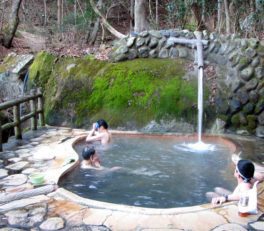
Shiobara Onsen Fudo-no-yu

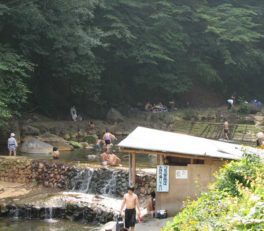
I reached Fudo-no-yu after a two-hour hike along the Shiobara trails. While it’s actually just a five-minute walk from Fukuwata Onsen, I chose the long route specifically for the “after-hike” experience. Nothing beats the feeling of soaking in a hidden spring after pushing yourself through the mountains.

Continue reading

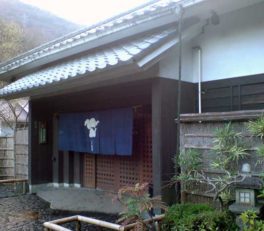
Ubako Onsen: Shumeikan

Shumeikan is located in the Ubako area of Hakone. I’d heard about it before as a hot spring where the water naturally flows from the gaps in the rocks. Curious, I did a little research and found out that the flow is heavily influenced by rainfall—increasing from spring through summer, but stopping completely during the winter months.

Continue reading

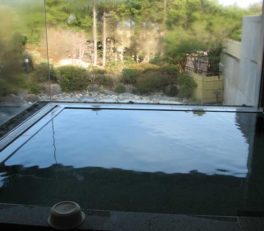
Hanashiki Onsen: Sekiseikan Honkan

Hanashiki Onsen Sekiseikan Honkan is a cozy, quiet hot spring located right next to Shiriyaki Onsen. Its poetic name, which translates to “flower carpet,” comes from a legend that cherry blossom petals covered the water when Minamoto no Yoritomo first discovered it. It is also known as an inn with ties to the poet Wakayama Bokusui.

Continue reading

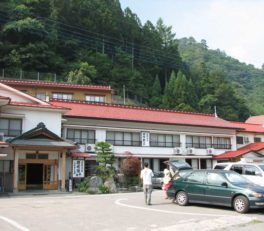
Shiriyaki Onsen

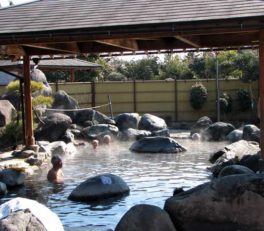
I’ve always wanted to visit Shiriyaki Onsen if I had the chance. The name “Shiriyaki” is quite funny—they say it comes from people sitting on hot stones in the riverbed to cure hemorrhoids. After a 30-minute bus ride deep into the mountains from Naganohara-Kusatsuguchi Station, the gateway to Kusatsu Onsen, and a 15-minute walk, this is the scenery that unfolds.

Continue reading

Kanashima Onsen: Fuki-no-yu

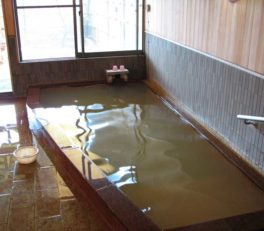
Kanashima is such a tiny station that the only sign you see after hopping off is for this onsen. Fuki-no-yu at Kanashima Onsen feels like a local hangout for the neighborhood grandmas and grandpas. The brownish, gentle water—a calcium-sodium chloride spring—has a distinct iron scent and taste.

Continue reading

Tsurumaki Onsen: Kobo no Sato-yu

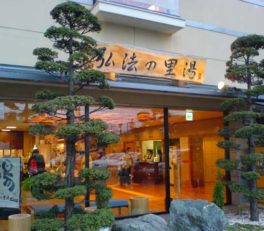
Tsurumaki Onsen is just about an hour from Shinjuku on the Odakyu Line, making it the perfect spot for those spontaneous “I need a soak!” moments that hit you in the early afternoon. Known for its high calcium content, the water here is a slightly alkaline calcium/sodium chloride spring that’s believed to have great healing properties.

Continue reading