It’s not just about the Steam Locomotive, but…
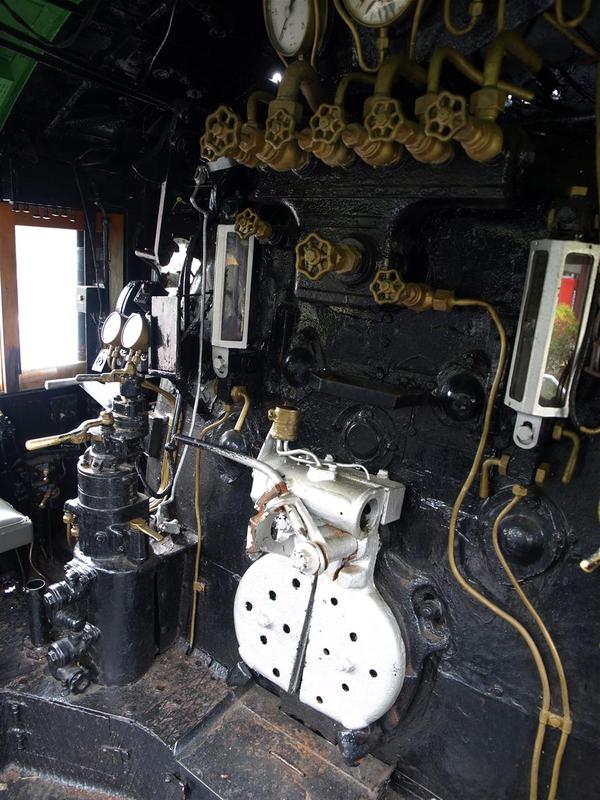
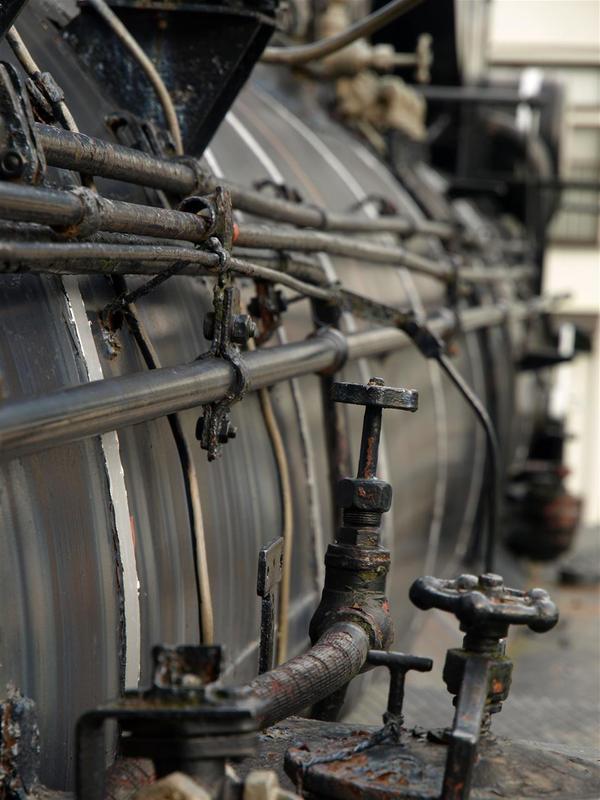
Since it was still a bit early to go straight to the hotel from Hagi-Iwami Airport, we decided to stop by Tsuwano. In front of the station, there was a D51 locomotive on display, and I remembered that steam locomotives are still in operation in this area. While I was thinking about it, my child got completely fascinated by this SL and wouldn’t let me leave for a long time…
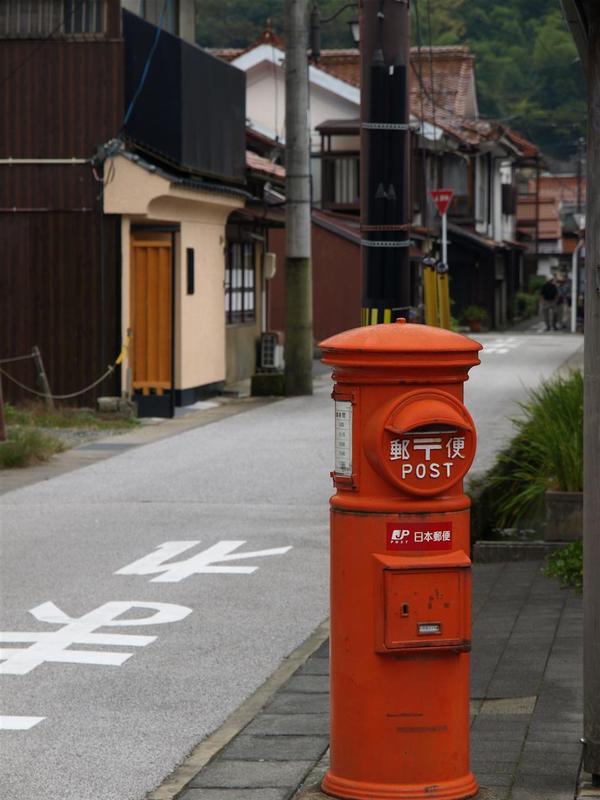
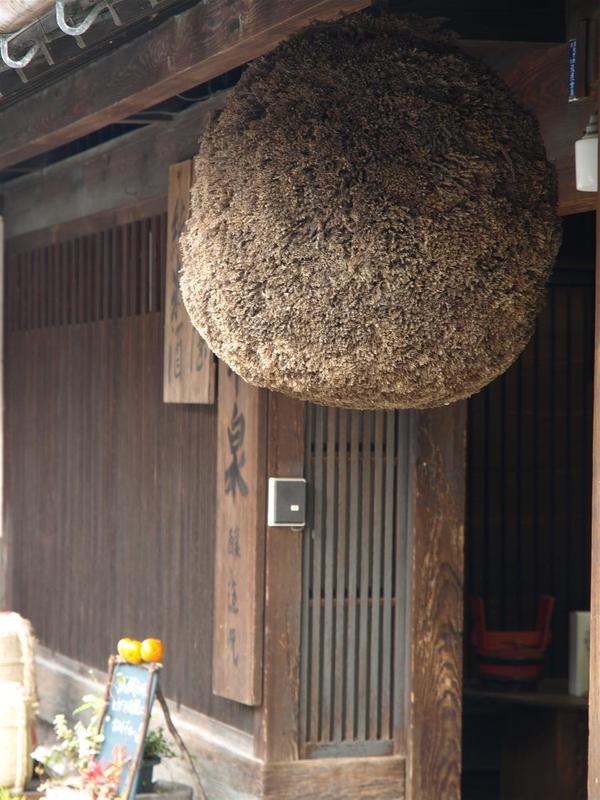
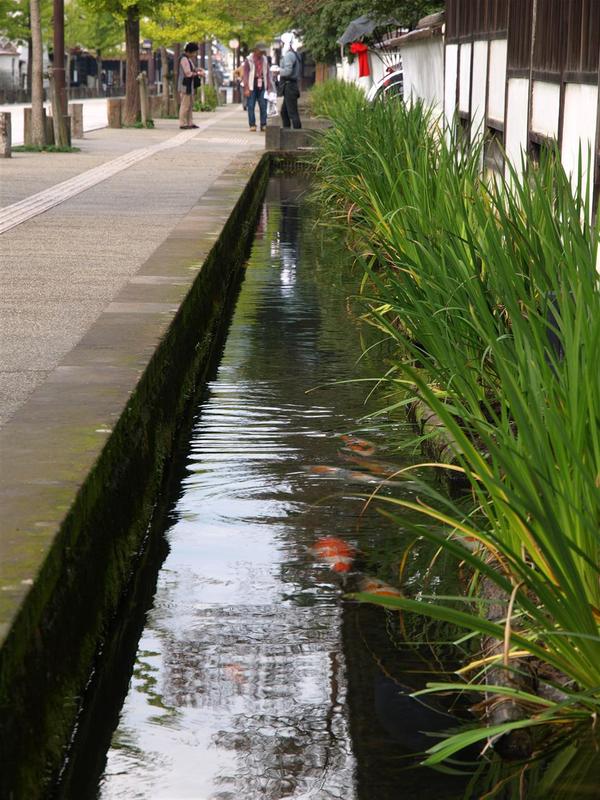
Tsuwano is a smaller town than I expected, and even with a child in tow, we were able to visit all the highlights quickly. There are a few sake shops, and the impressive cedar balls hanging at their doorways might be irresistible for sake lovers. In the waterways, there are koi fish, which are so large that they almost seem to be the same size or even bigger than the child, which was quite a surprise.
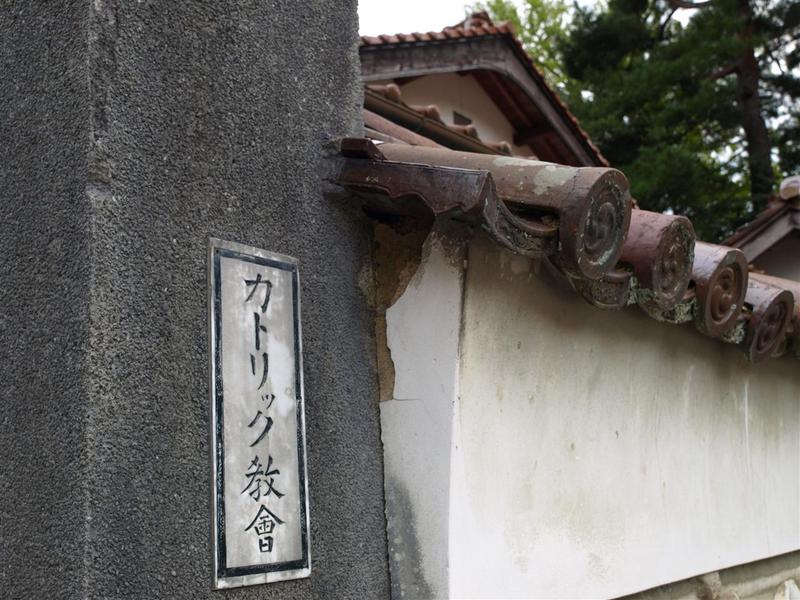
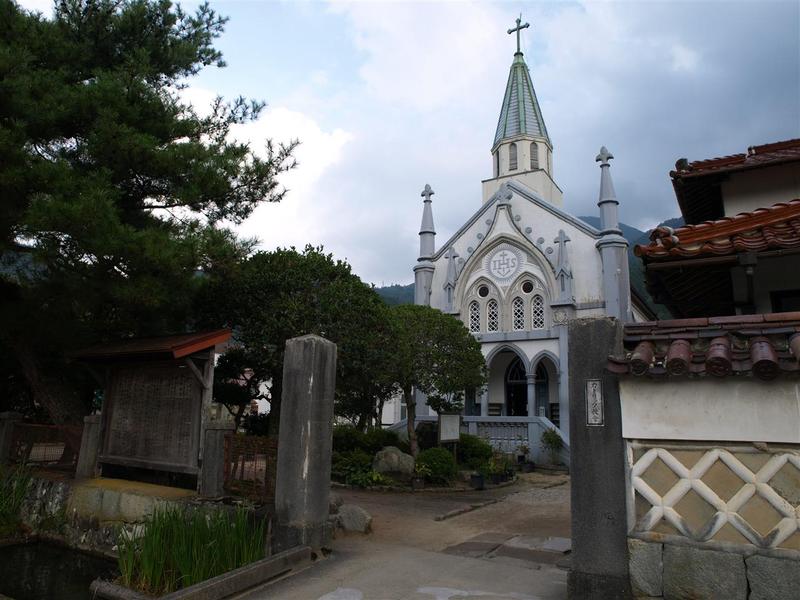


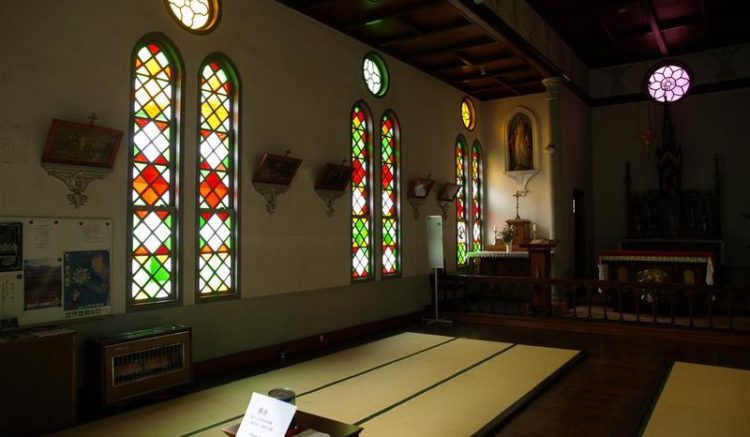
In Tsuwano, this church was very impressive. It seemed out of place compared to the surrounding houses with red-brown tiled roofs, yet it blended in so well with the environment, giving it a sense of history. I was able to go inside, and surprisingly, it had tatami flooring despite being a church. Next to the church, there was a kindergarten, and I could really feel that this place is still fully functional today.

I was able to enjoy a beautiful sunset in Hagi for a while. Now that I think about it, Hagi and Tsuwano often seem to be paired together as tourist destinations, but it was only after visiting that I learned Tsuwano is in Shimane Prefecture and Hagi is in Yamaguchi. I had always thought both were in Yamaguchi 🙂
Walking through the castle town of Hagi

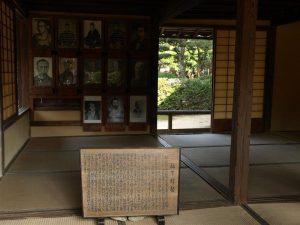
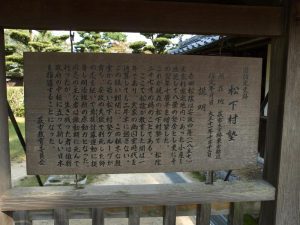
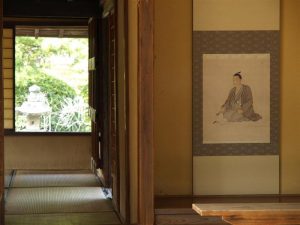
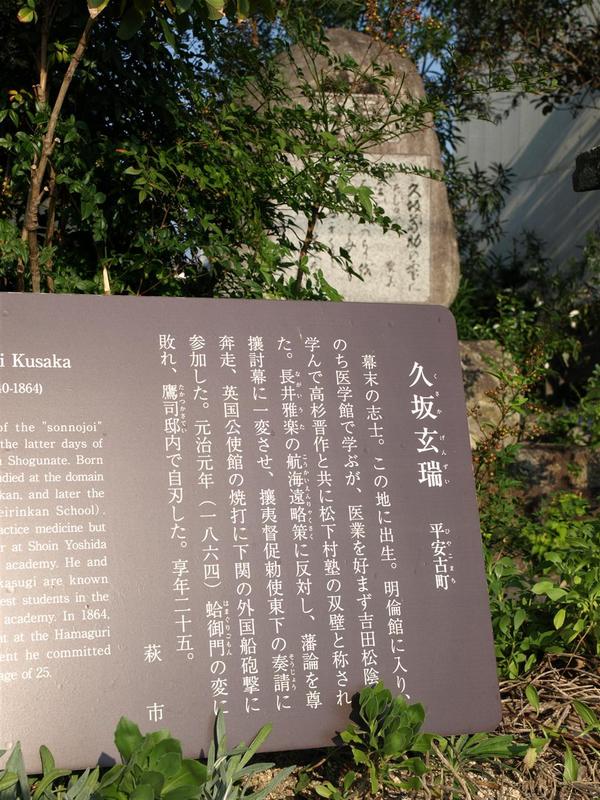
The first place I visited in Hagi was the Shōin Shrine, which is home to the famous Shokasonjuku Academy. This was the birthplace of many of the individuals who played pivotal roles in the Meiji Restoration, so I was expecting it to be a grand and impressive place. However, I was honestly surprised to find it was a very small, humble location. What’s even more surprising is that Yoshida Shōin, who taught here, only spent 1 year and 1 month at the school, and he was just 27 years old at the time. To think that in such a short period, people like Kusaka Genzo, Takasugi Shinsaku, and Itō Hirobumi were all shaped by his influence is truly astonishing. It really made me pause and reflect on the incredible impact he had in such a brief time.
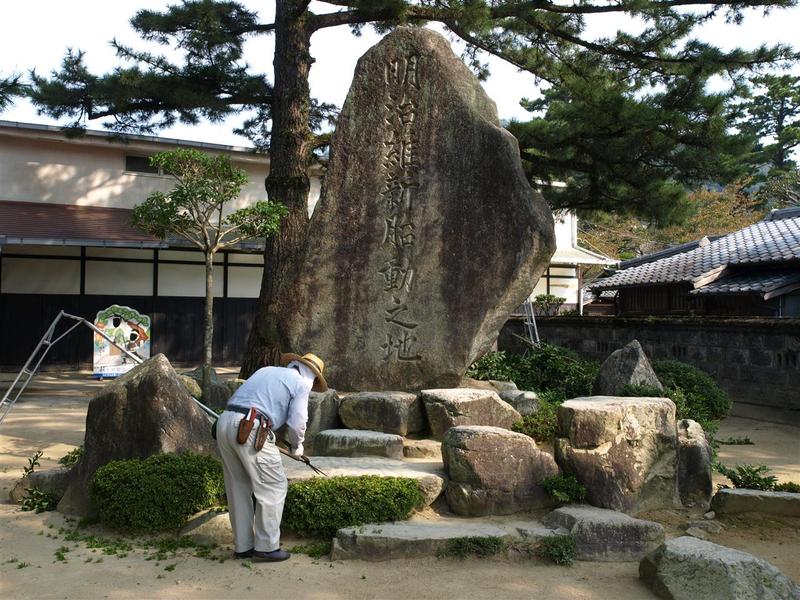
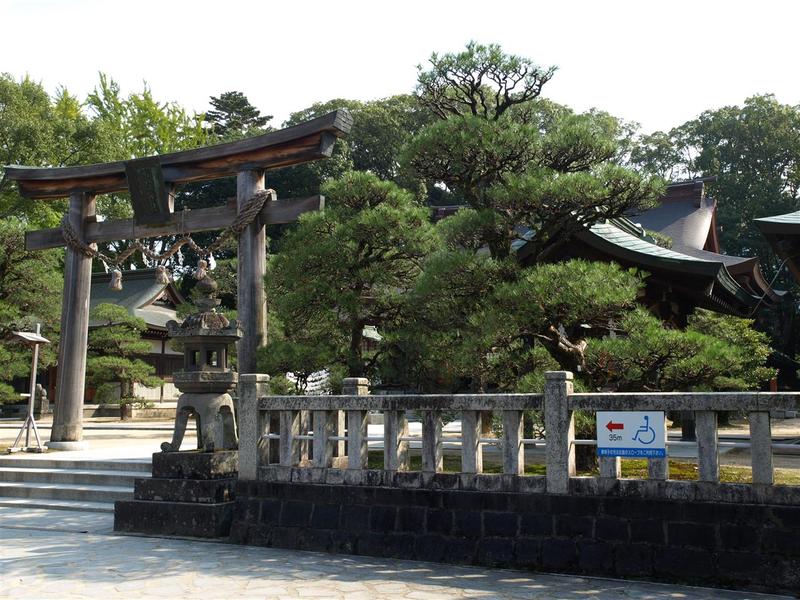
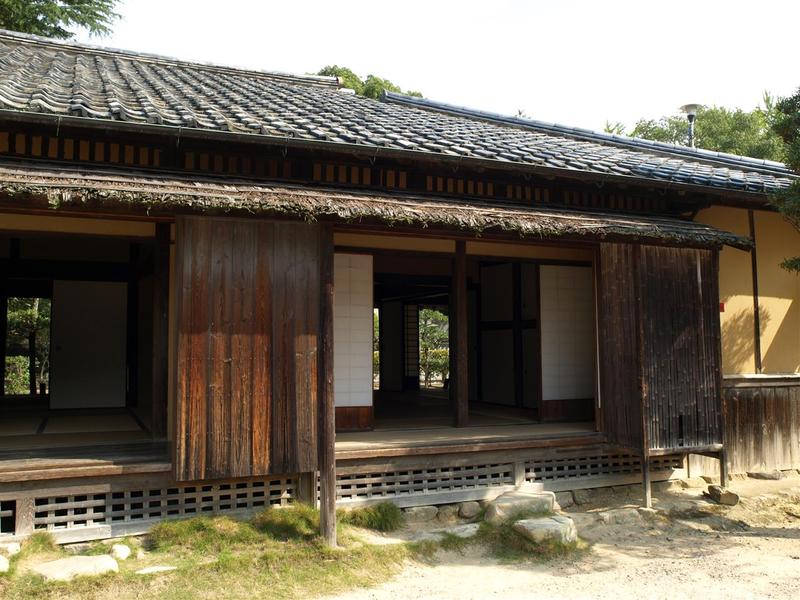
Right next to the Shokasonuku Academy is Yoshida Shōin’s family home. It is said that Shōin was imprisoned here after failing in his attempt to travel abroad from Shimoda Port in Izu. During his imprisonment, he started giving lectures to his family members, and as more people began to join, this eventually led to the establishment of the private school, Shokasonjuku Academy. It’s fascinating how this humble beginning evolved into such a significant educational institution that influenced the course of Japan’s history.


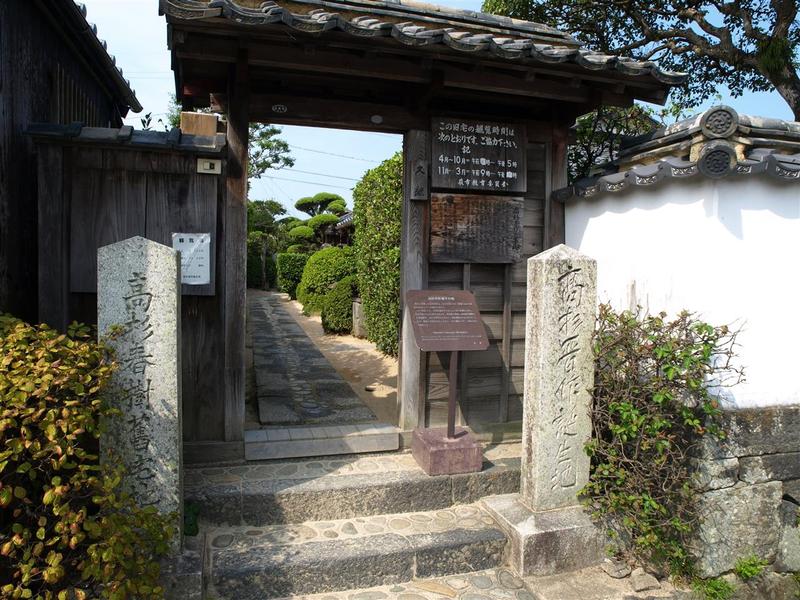

Beyond the beautiful namako walls of Kikuyayokocho lies the preserved birthplace of Takasugi Shinsaku. At just 19, he joined the Shokasonjuku Academy, and by 23, he traveled to Shanghai under the orders of the Chōshū Domain, gaining insights into international affairs. He later organized the Kiheitai militia, played a key role in the Satsuma-Chōshū Alliance, and became a leading figure in the Sonnō Jōi movement.
Inside his childhood home, there was an amusing illustration depicting a charming anecdote from his youth. It told of how young Takasugi was repeatedly taken to Enshōji Temple nearby to gaze at the tengu statues in order to build his courage. It’s a delightful contrast to the image of the fearless leader he became.
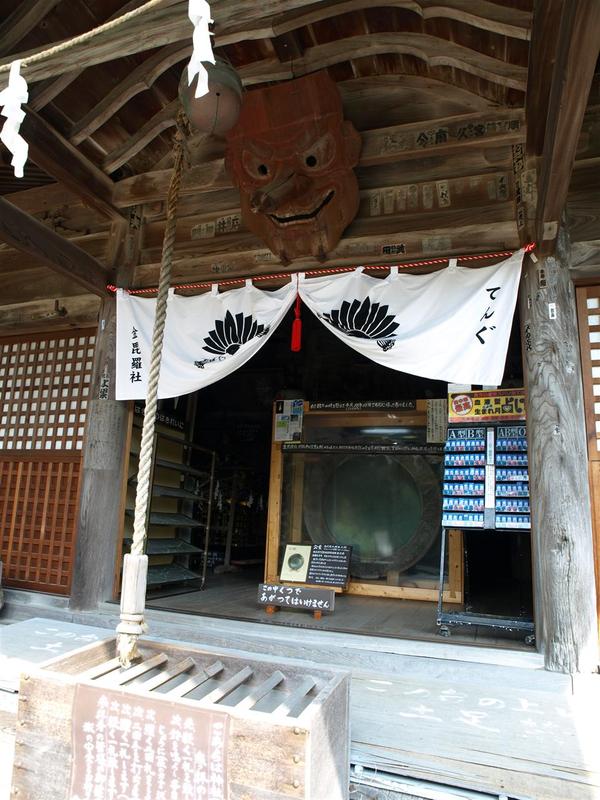
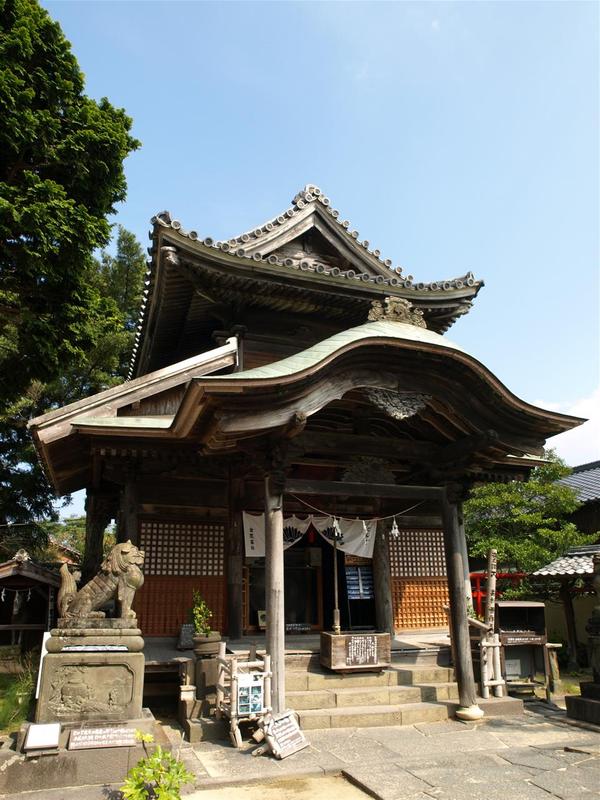

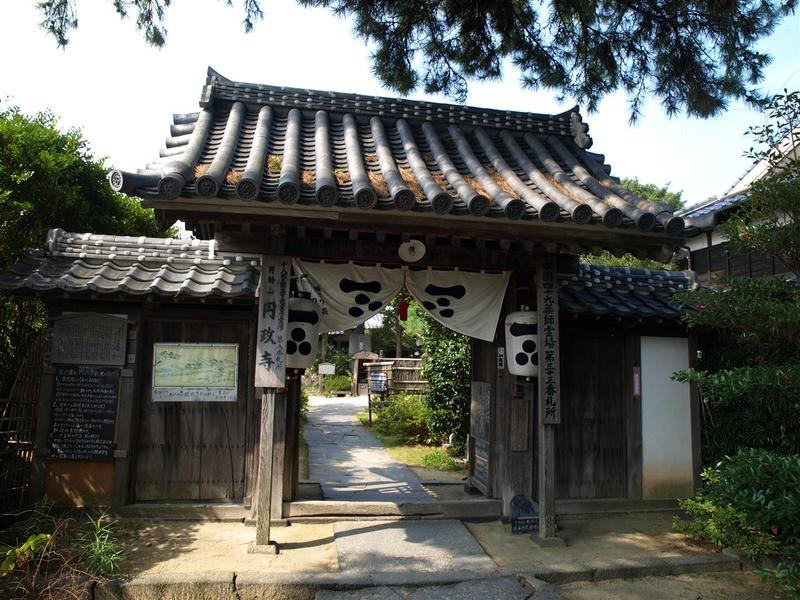
Curious about the story, we decided to visit Enshōji Temple ourselves. The plan was to have our child follow in Takasugi Shinsaku’s footsteps and build some courage :). That said, our little one had already fallen sound asleep by the time we arrived.
As for the tengu, it was indeed massive and quite imposing – definitely something that could leave an impression! Enshōji also houses a wooden horse said to have been played on by Takasugi Shinsaku and Itō Hirobumi during their childhood. It was fascinating to imagine these historical figures as children, running around and playing in this very spot.

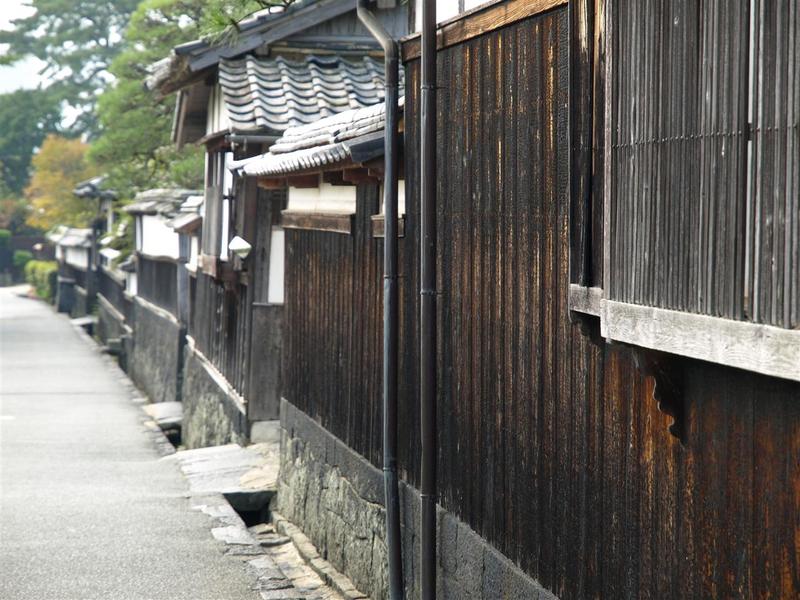


In Hagi, we also visited the former residence of Kido Takayoshi. Compared to Takasugi Shinsaku’s birthplace, this house felt much more spacious and grand.
One delightful moment was when one of the staff members kindly picked a ripe persimmon from a tree in the yard for our child. It was such a thoughtful gesture, and it made the visit even more memorable. Plus, I couldn’t help but feel that maybe, just maybe, we could borrow a little of Kido Takayoshi’s brilliance from this small gift :).

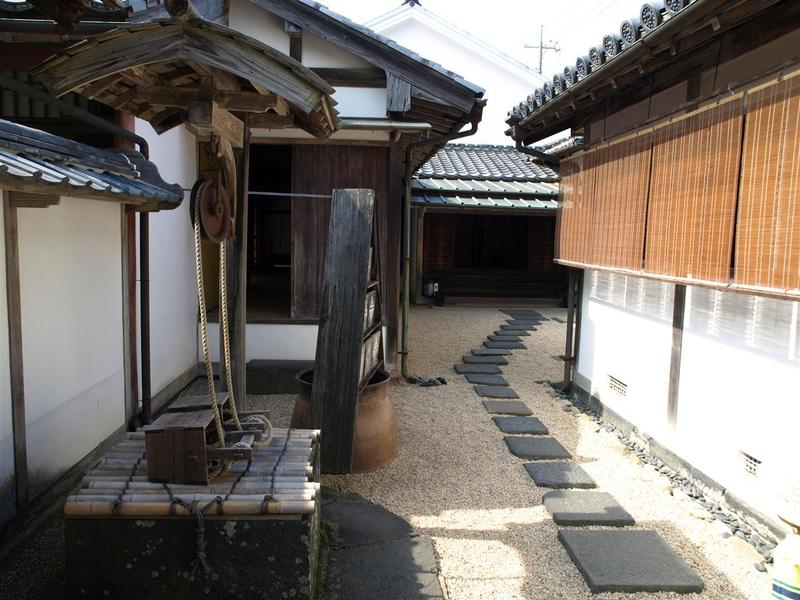
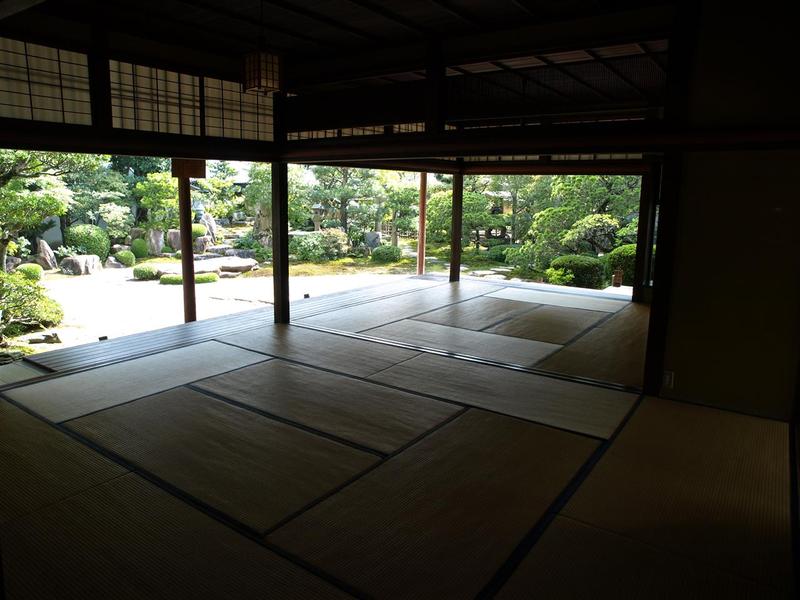
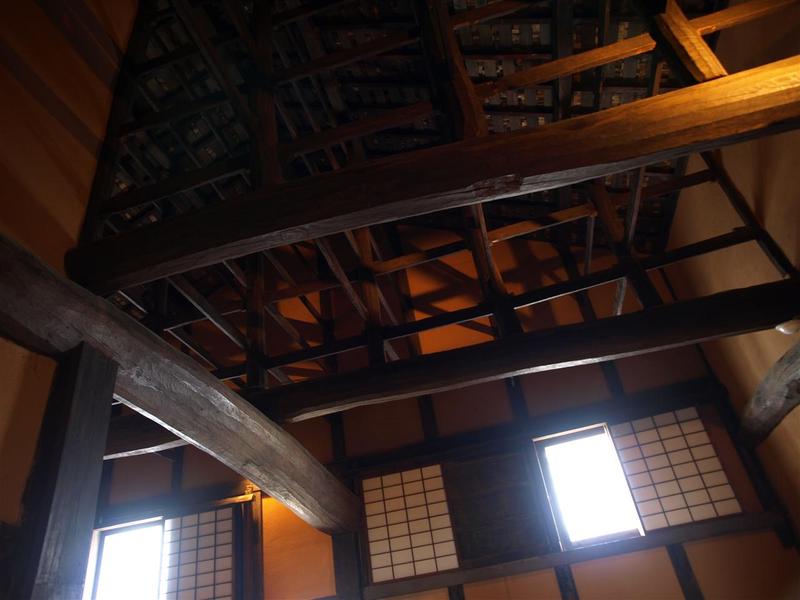
In the town of Hagi, we came across several charming cafes and shops repurposed from traditional old houses. The café where we had lunch was one such place, with a wonderfully calming and nostalgic atmosphere.
Another highlight was the Kikuya Residence, located along the picturesque Kikuya Yokocho with its beautiful namako (sea cucumber) walls. The well-maintained garden was stunning, but what caught my interest the most was the kinzo (treasury). According to the explanation, the foundation of the treasury was built by burying tiles deeply to prevent break-ins from underground. They also mentioned that, back in the day, there were dozens of senryō-bako (boxes used to store large sums of money), which turned out to be smaller than I had imagined. It was fascinating to learn about these clever security measures and to imagine what life was like back then.
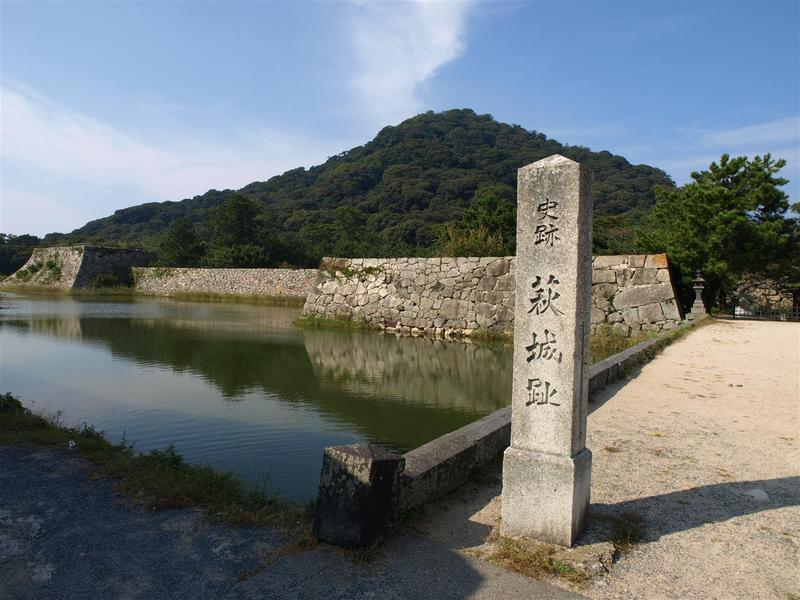
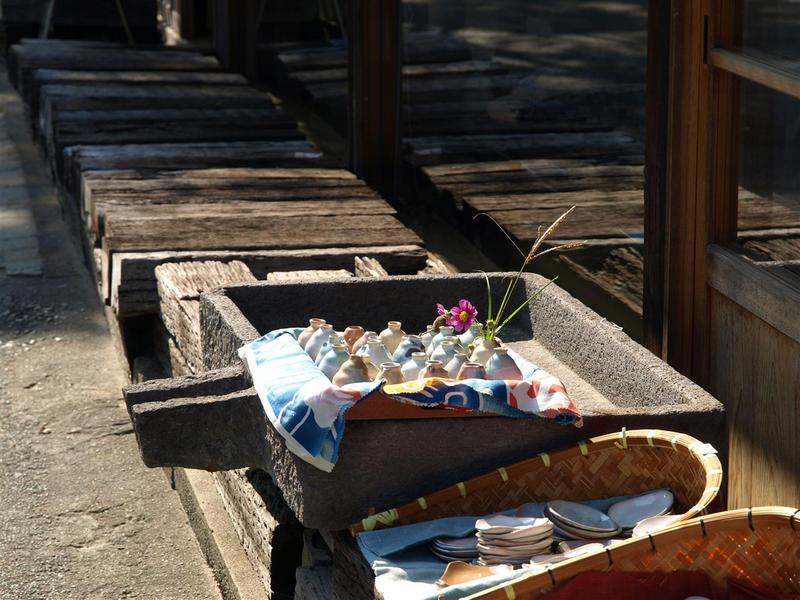

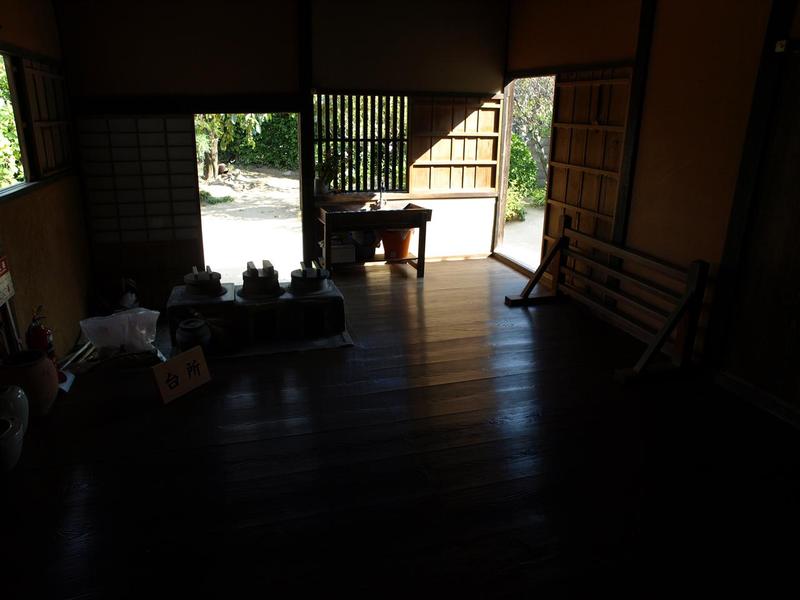

Hagi is filled with fascinating sights, including the ruins of Hagi Castle, the Kuchiba Residence with its deep ties to the Mori clan, and the Old Kodama Family Nagaya (longhouse). Strolling through the town feels like stepping back in time, with historical treasures seemingly waiting to be discovered around every corner. Exploring the streets of Hagi is an absolute delight for history enthusiasts and casual wanderers alike!


Perhaps it was the season, but I was struck by how delicious the persimmons looked everywhere in Hagi. The “Kaimagari” roads, designed to thwart enemy invasions or attacks, are winding paths enclosed by tall earthen walls on both sides, making them difficult to navigate visually. Hagi still retains several of these unique historical streets. Additionally, many key estates in the area were torn down and replaced with natsumikan (summer mandarin) orchards, which add a distinctively Hagi-like charm to the scenery.
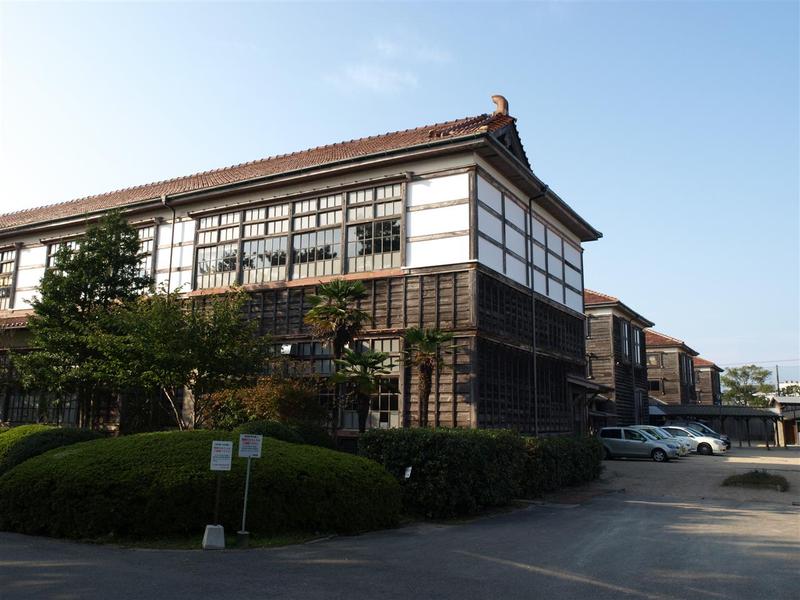
The fourth photo is of Meirin Elementary School, built on the site of the old Hagi Meirinkan, where Yoshida Shoin and others studied. This school has such a historical feel to it, and it’s incredibly impressive. It makes you think that learning in such a wonderful setting might make you a little smarter, doesn’t it? 😉
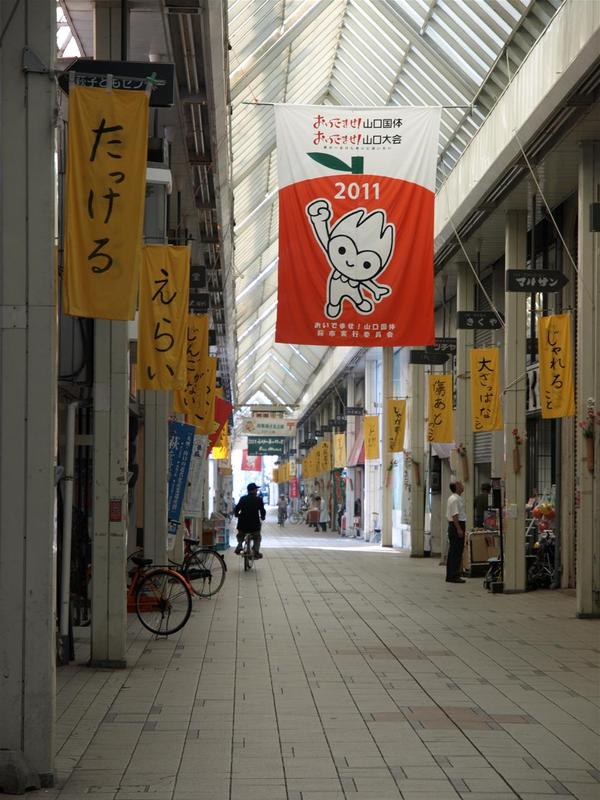

Another memorable spot in Hagi was the shopping street. It was adorned with numerous yellow banners, though their purpose was somewhat unclear. They had words like “takkeru,” “oozappana,” “kizuato,” “shakasu,” and “erai” written on them. These banners were strung all along the street, creating a rather peculiar and intriguing atmosphere.
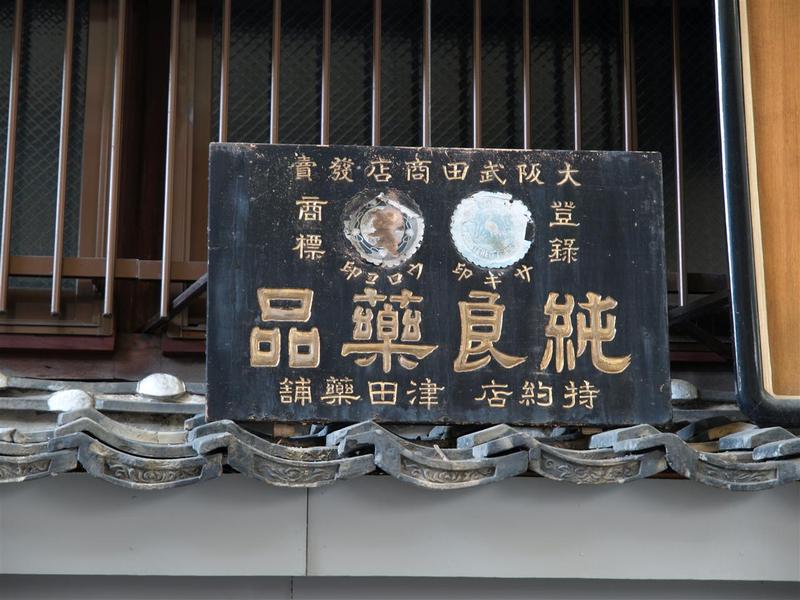
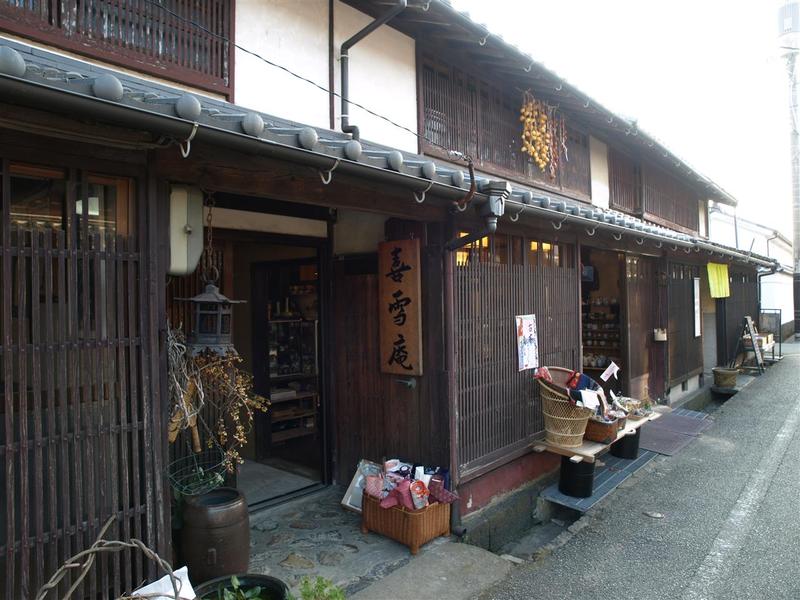
The street also featured some nostalgic shops, such as old-style pharmacies and liquor stores, each with its own unique charm. It felt like a blend of the past and present, adding to the quirky vibe of the area.


The cosmos flowers were beautifully in bloom at a place called the Former Suu Family Nagaya Gate. Visiting in the quiet of the evening made for an incredibly serene atmosphere. The central part of Hagi City, where most of the sights are concentrated, is located in a delta area about 2-3 kilometers across. It’s the perfect size for a leisurely stroll, making it a delightful area to explore on foot.
Matsue Shinjiko Onsen – Minami-kan


The reason I stopped by Matsue this time was that, during my previous visit, the Horikawa Sightseeing Boat around Matsue Castle wasn’t operating due to high water levels. Additionally, I wanted to revisit the Matsue Shinjiko Onsen Minamikan, which had left such a wonderful impression.
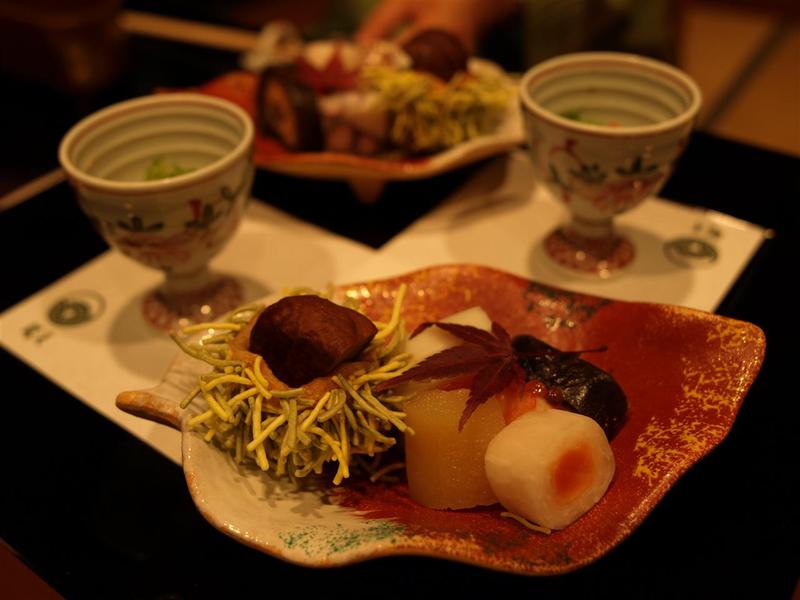
Minamikan offers stunning rooms with a sweeping view of Lake Shinji, but what makes it even more remarkable is the exquisite cuisine served while overlooking a beautiful Japanese garden. This time, I was equally impressed and completely satisfied. Here’s the delightful menu I enjoyed:
Appetizer: Snow crab and matsutake mushrooms in a vinegar marinade
Seasonal Starter: A selection of seasonal flavors
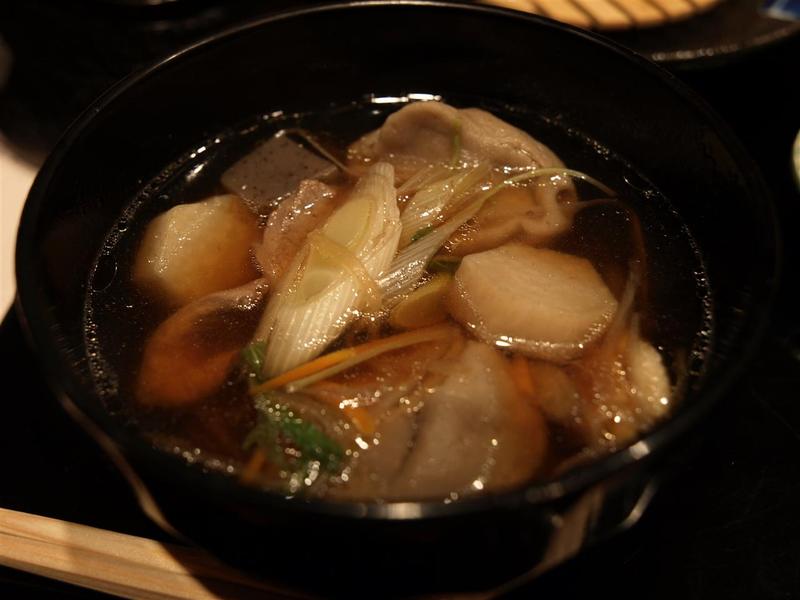
Soup Dish: Buckwheat dumpling soup
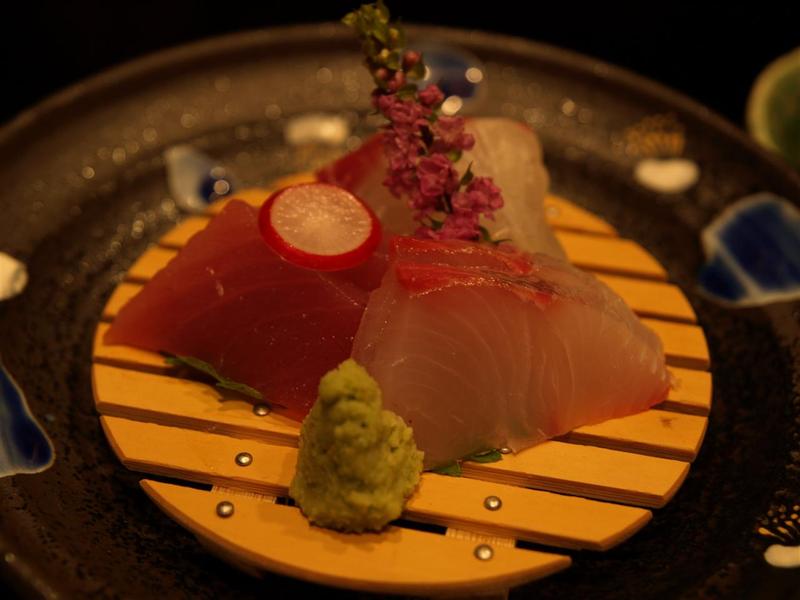
Sashimi: A trio of fresh catches
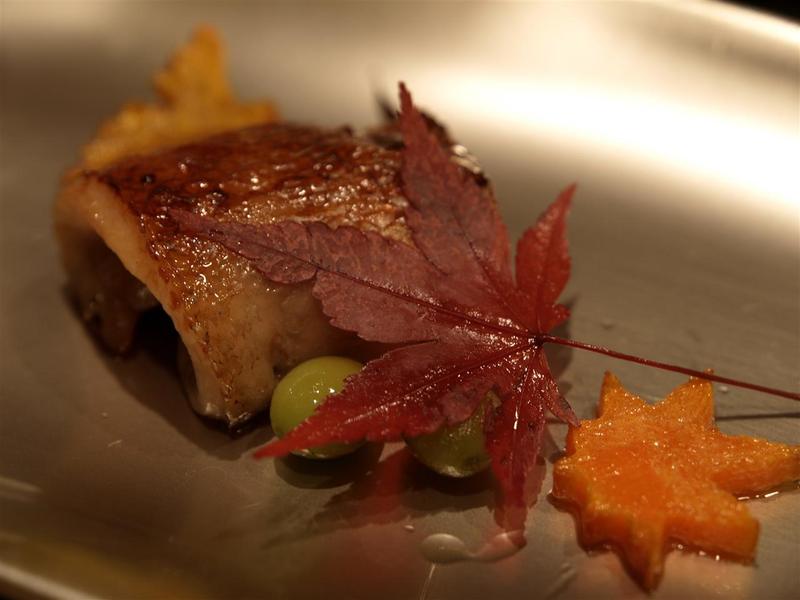
Special Platter: Nodoguro (blackthroat seaperch) grilled with yuzu, matsutake mushroom chawanmushi, and shredded kabocha squash
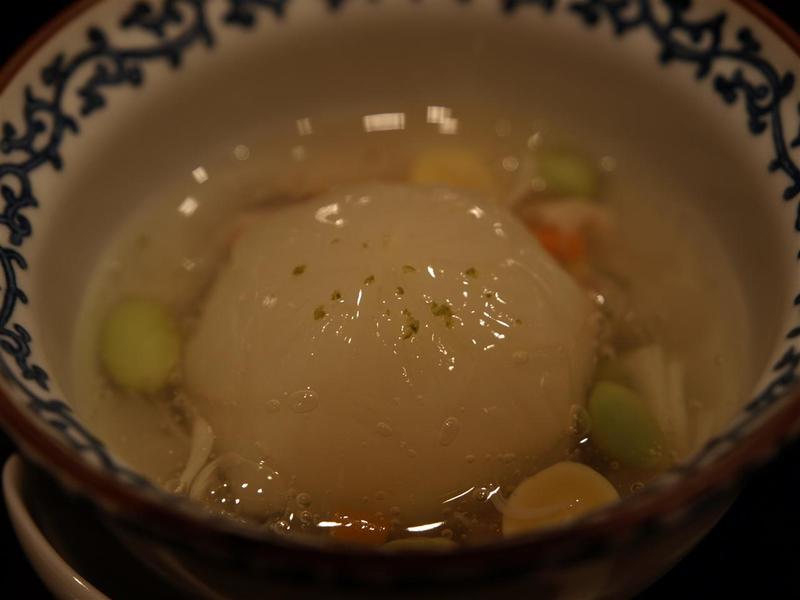
Simmered Dish: Chrysanthemum-shaped kabura (turnip)
Main Dish: Kadaif-wrapped fried delicacy
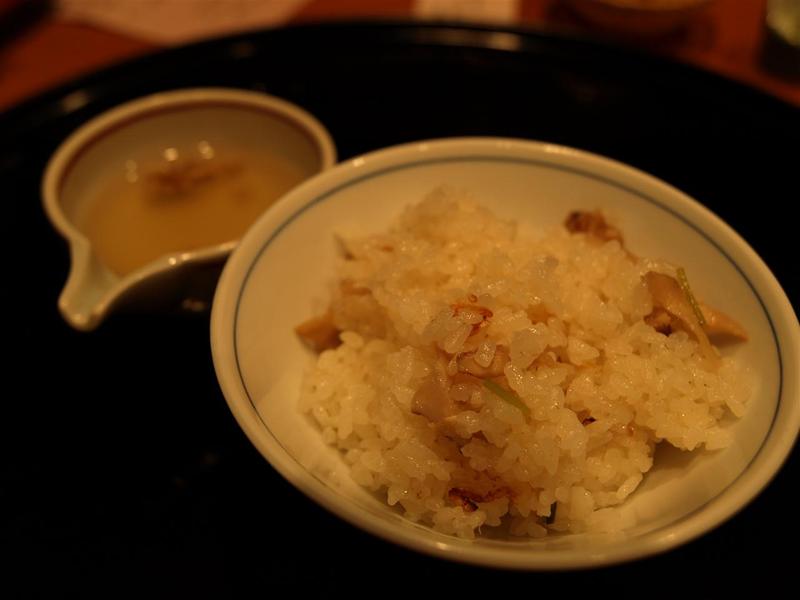
Rice Dish: Seasonal rice cooked with flavorful ingredients
Dessert: Seasonal sweets
It was a truly memorable dining experience!
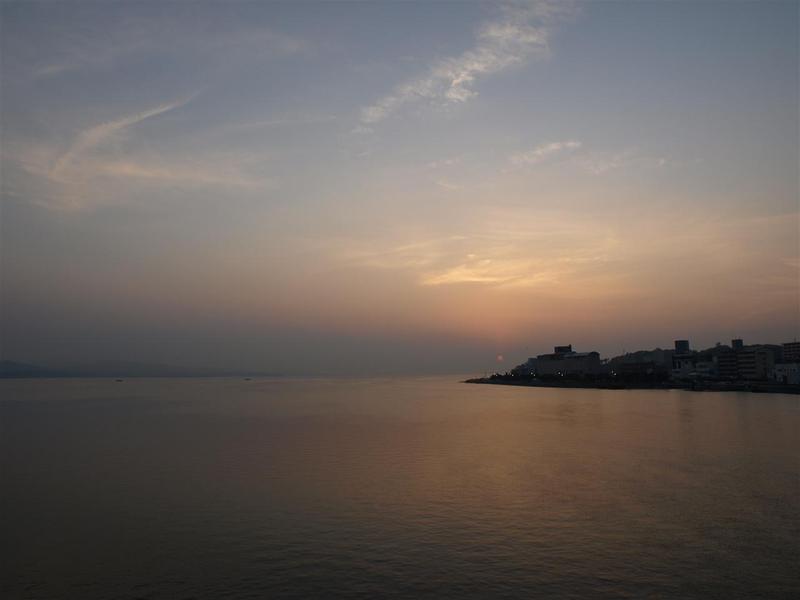

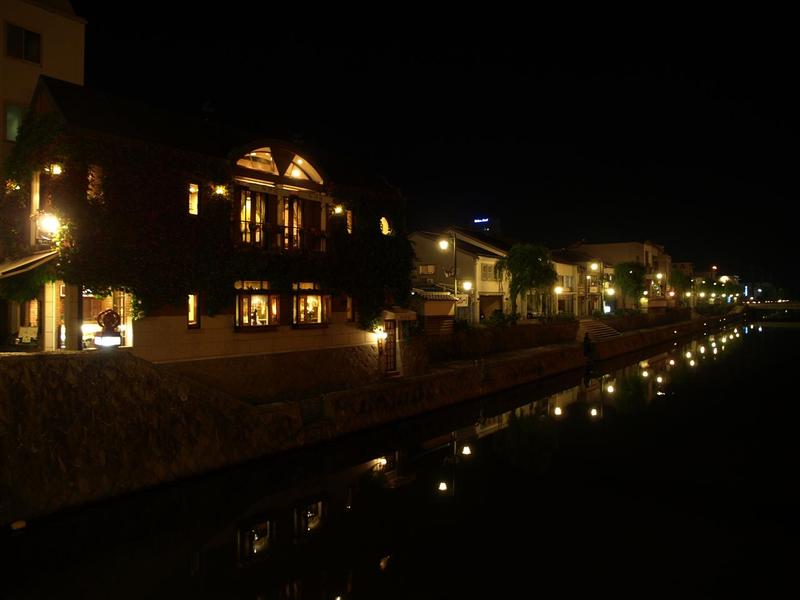

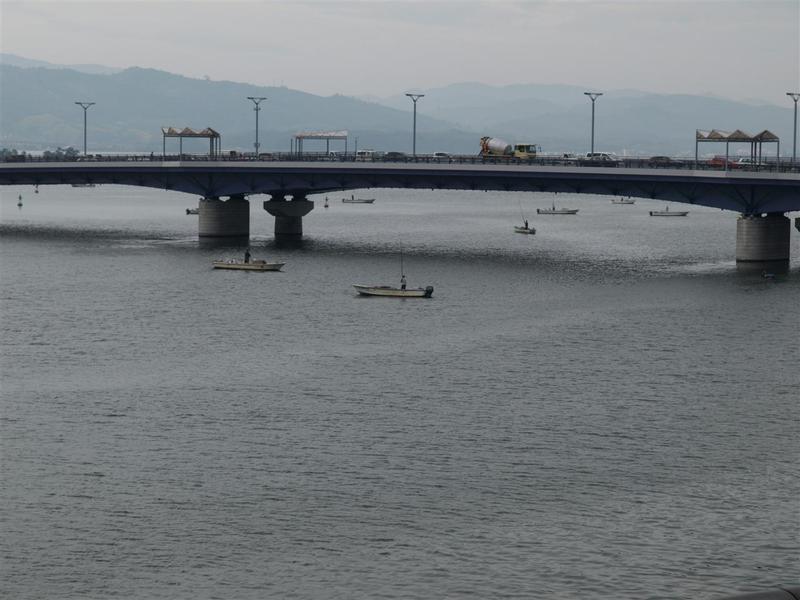
From the inn, the view of the sunset is slightly obscured, but a short walk to the Shinji Lake Bridge offers a perfect vantage point to watch the sun sink into Lake Shinji.
Strolling around Matsue at night is a treat, with the beautifully illuminated Karakoro Square and Matsue Castle creating a magical atmosphere. In the morning, the sight of numerous boats engaged in shijimi clam fishing on Lake Shinji adds a charming and tranquil touch, making for a picturesque start to the day.


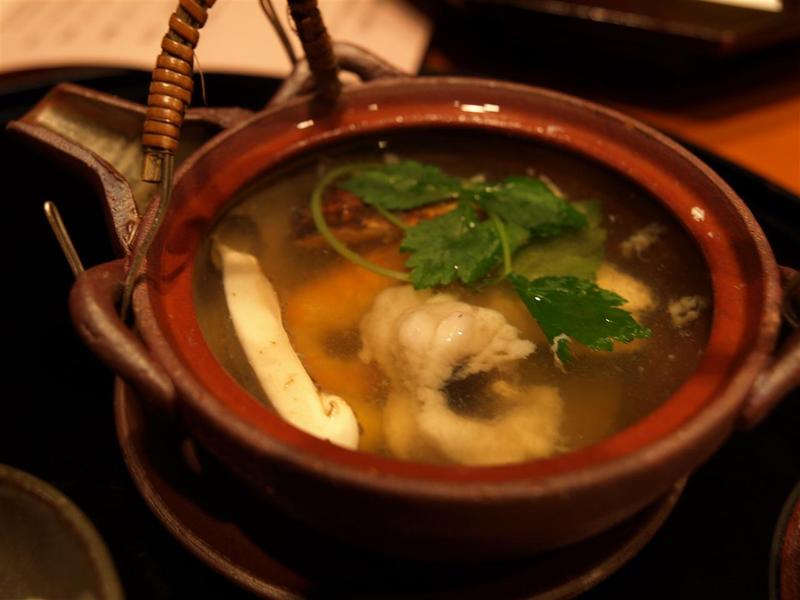

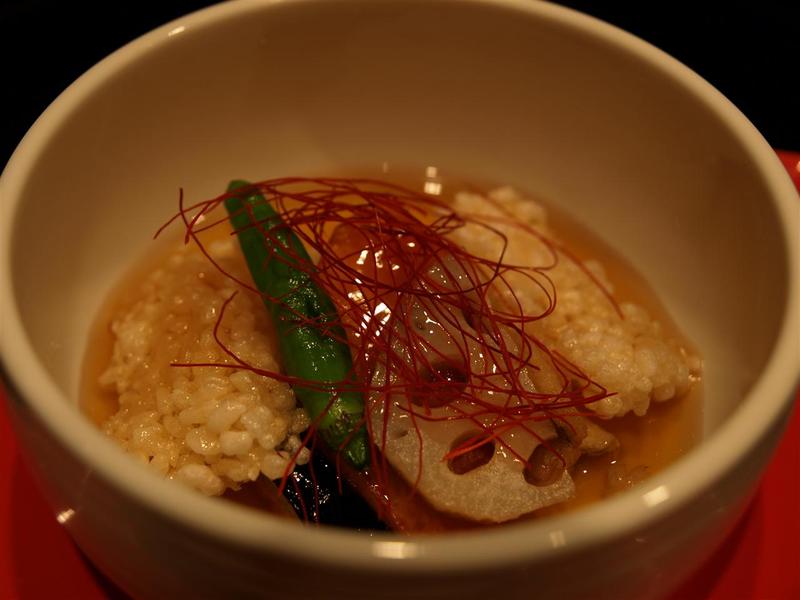

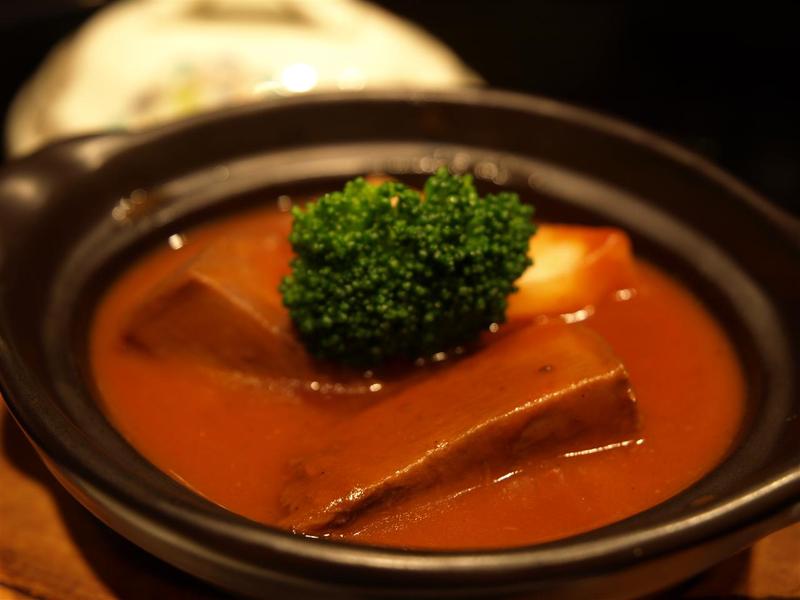

The dishes served on the second day were all incredibly delicious. Although my child was a bit noisy at times, the staff kindly opened the adjacent room to ensure we wouldn’t disturb others, and they even served our rice dishes first, showing thoughtful attention to detail. It was truly appreciated and made the experience even more enjoyable.
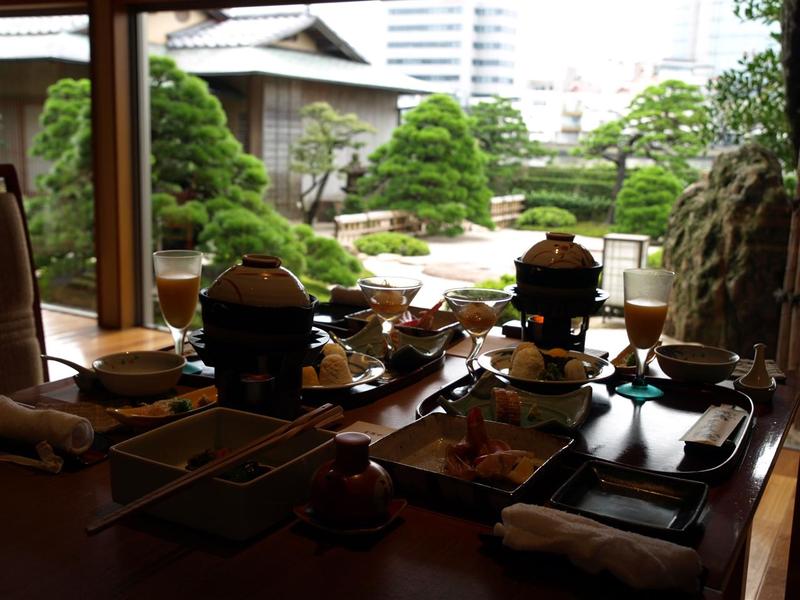
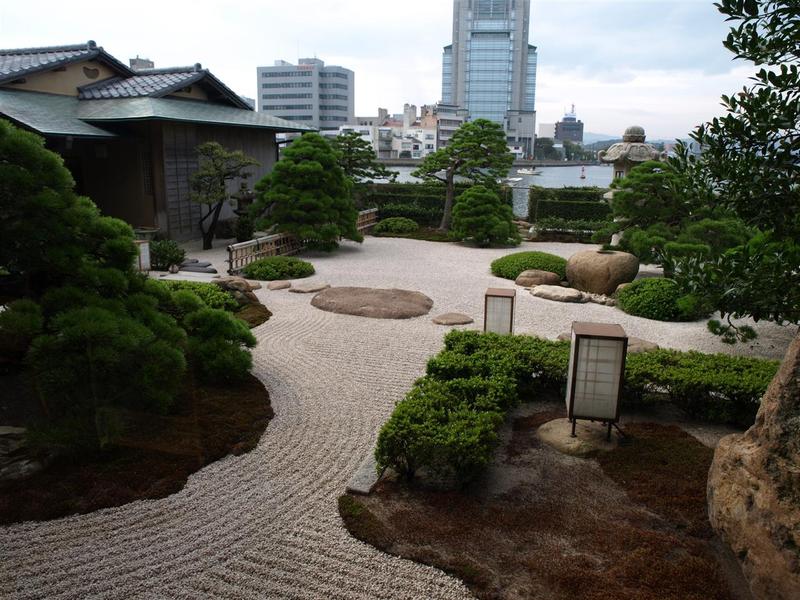


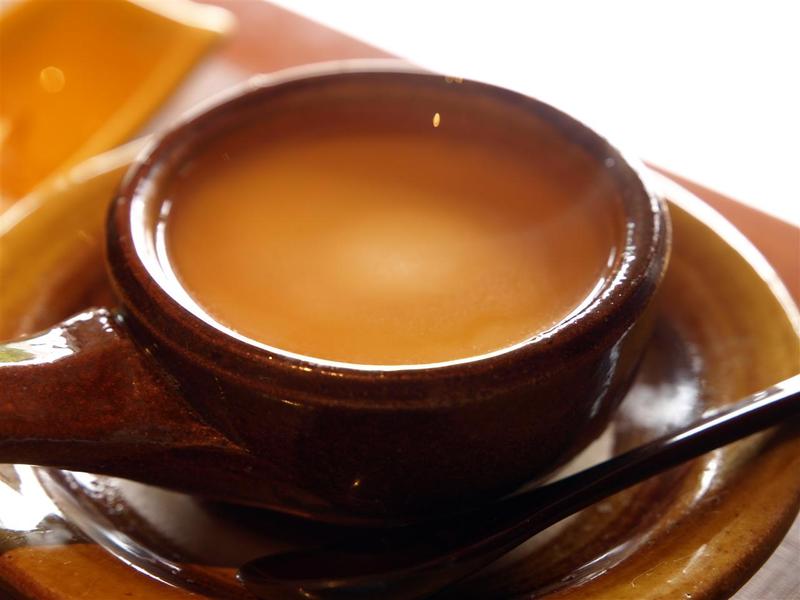
The highlight of the meals at this inn, besides the delicious dinner, was definitely the breakfast – specifically the Tai-meshi (sea bream rice). This family-recipe dish, created by the late Lord Fumai, features rice topped with pieces of sea bream, scrambled egg yolk and whites, and fresh herbs, all served with a hot dashi broth. It’s light yet incredibly satisfying, and you could easily eat more than you expected. Enjoying this meal while overlooking the beautiful Japanese garden and the tranquil Shinji Lake made for a truly elegant experience.
Strolling around Matsue city


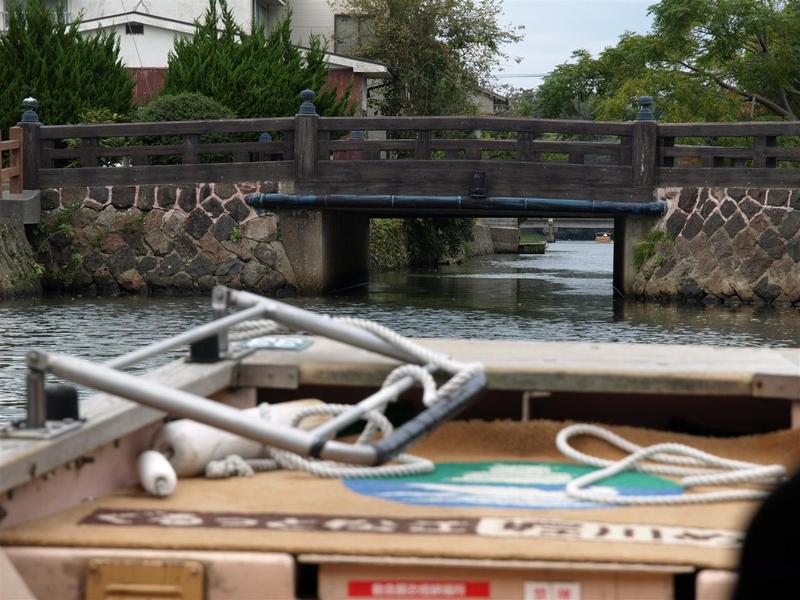
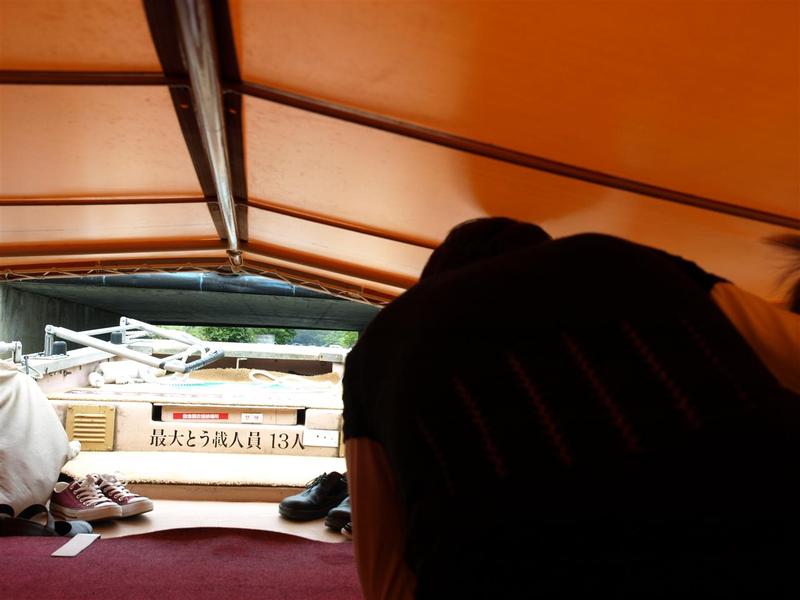

The much-anticipated Horikawa River cruise was operating smoothly, so I hopped on right away. After leaving Karakoro Square, the boat quickly approached a very low bridge, and with a signal from the boatman, the roof began to lower. The way it comes down is quite impressive, almost making the boat look like it might flatten out. When you’re inside, you actually have to crouch down almost to the floor to avoid hitting your head on the roof. After passing under several of these types of bridges, Matsue Castle finally comes into view.

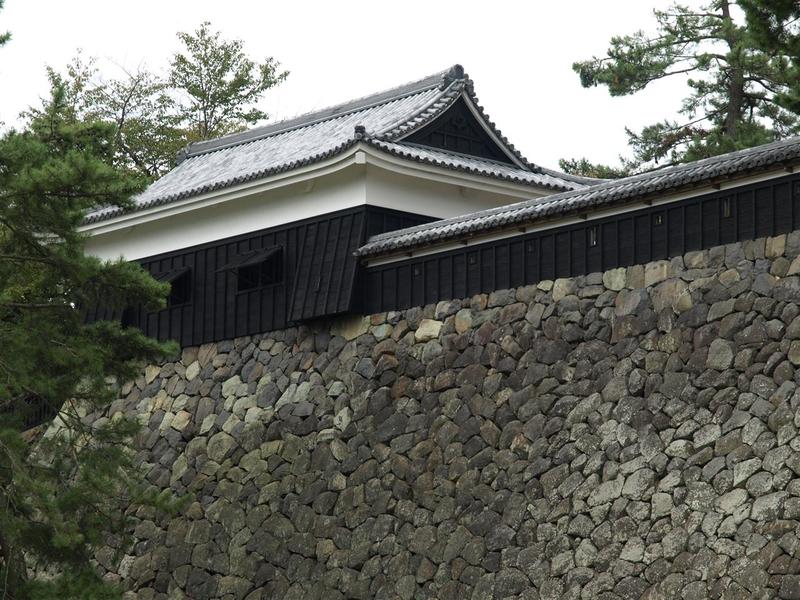


Matsue Castle was celebrating its 400th anniversary of Matsue’s establishment, so there were various events taking place. At the castle, there was a performance and photo session by the Matsue Young Warriors and Dance Troupe, which was really enjoyable. When an armored samurai in red greeted my child with “Young Lord! We’ve been waiting for you!” I couldn’t help but laugh. Matsue Castle is one of the 12 remaining original castles in Japan, and I only learned that it is not a National Treasure when I saw a banner saying “Let’s make it a National Treasure.” It was designated as a National Treasure in 1935, but after the Cultural Properties Protection Law came into effect in 1950, it was reclassified as an Important Cultural Property, along with the other 12 remaining castles. However, later on, Himeji, Matsumoto, Inuyama, and Hikone castles were designated as National Treasures. It would be wonderful if Matsue Castle were to be designated a National Treasure!
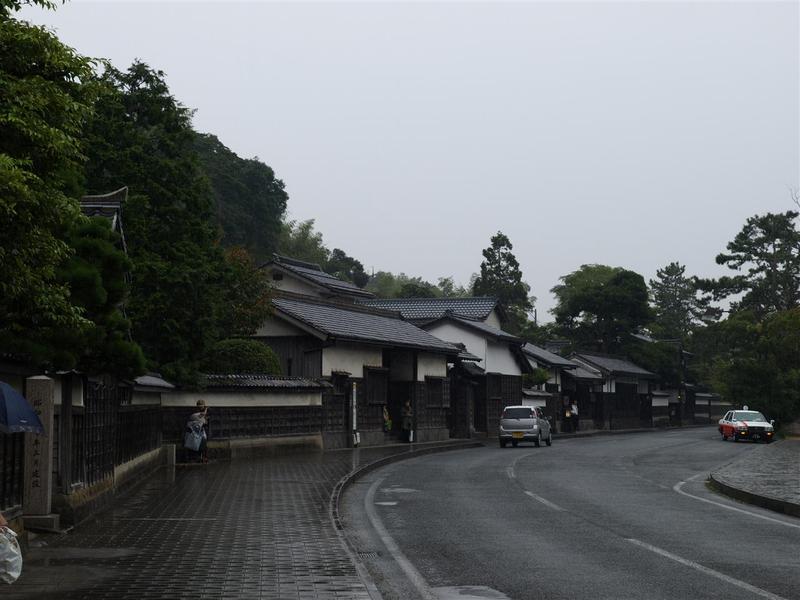
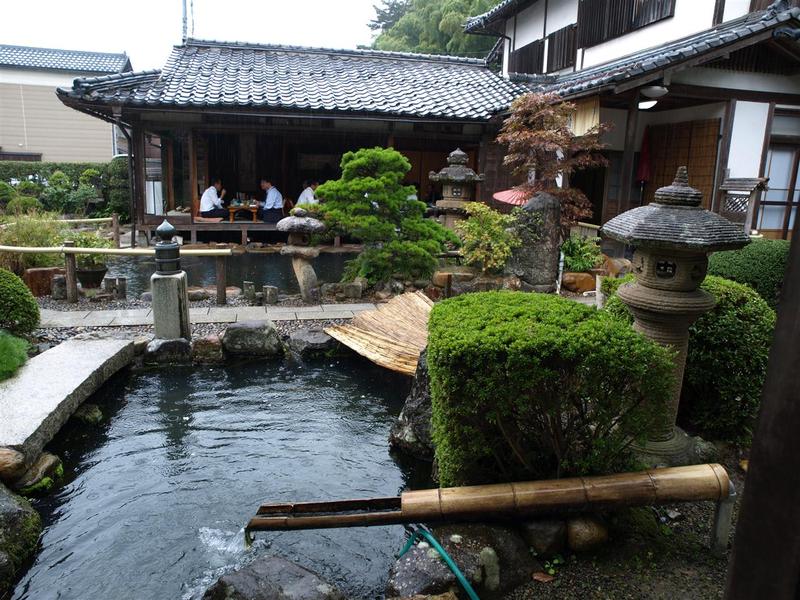
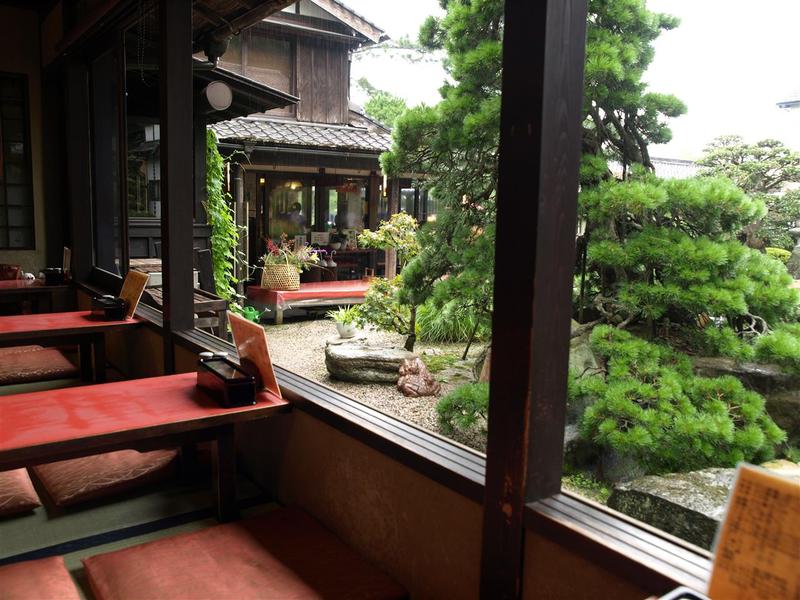


Shiomi Nawate, with its preserved samurai residences, still retains the strong atmosphere of a castle town. Unfortunately, it started to rain, so we didn’t do too much sightseeing, but we did stop by Yakumo-an on Shiomi Nawate to try some Izumo soba. The duck and noodles in a clear broth were a bit unusual, but still delicious and interesting! It was a cozy spot to enjoy the local flavors despite the rain.
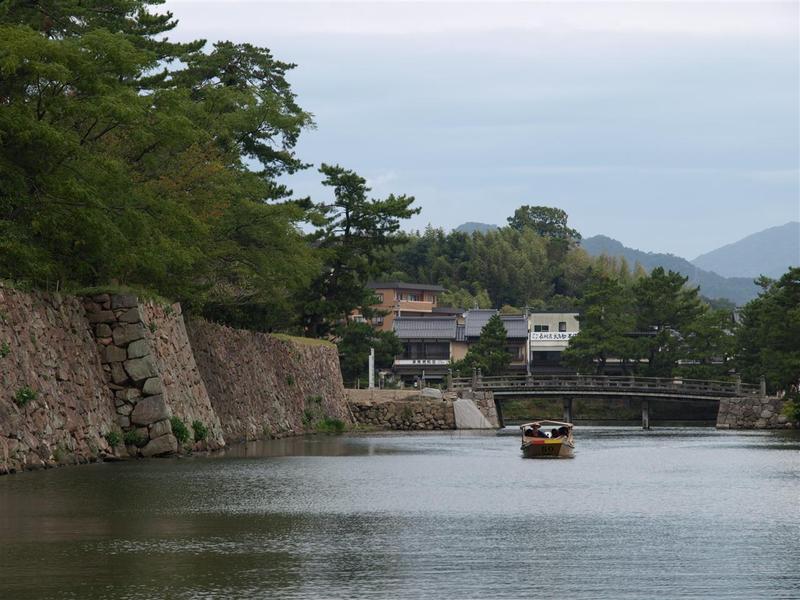


Unfortunately, the rain never stopped, but we were still able to enjoy the Horikawa Meguri boat tour without any issues with the water level. Since the waterway connects to Lake Shinji and other areas, continuous rain can cause the water level to rise, which might prevent the boats from passing through even if the roofs are lowered. It’s interesting how weather can affect the operation, but luckily for us, we were able to enjoy the ride without any interruptions!
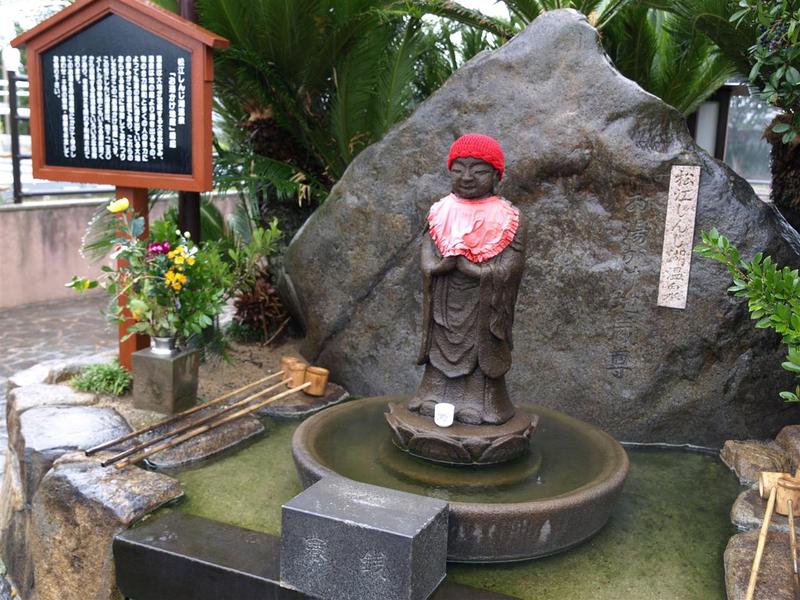

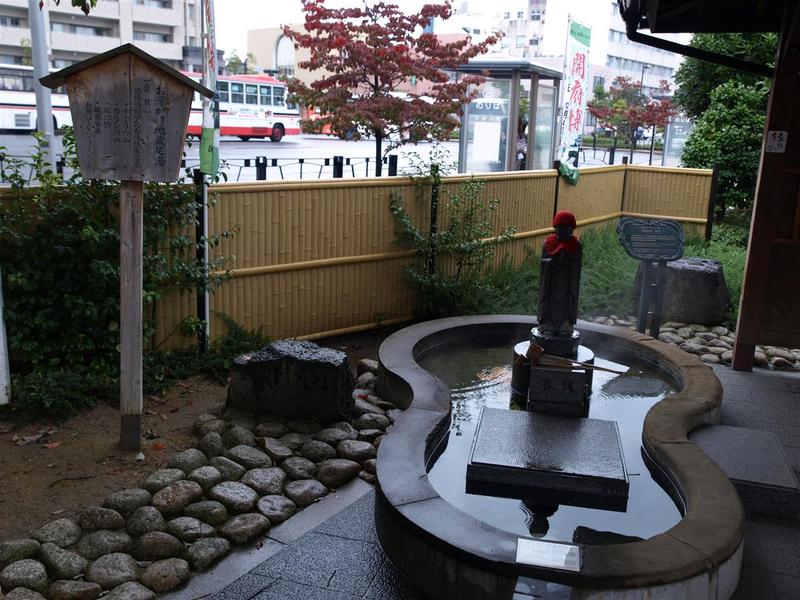
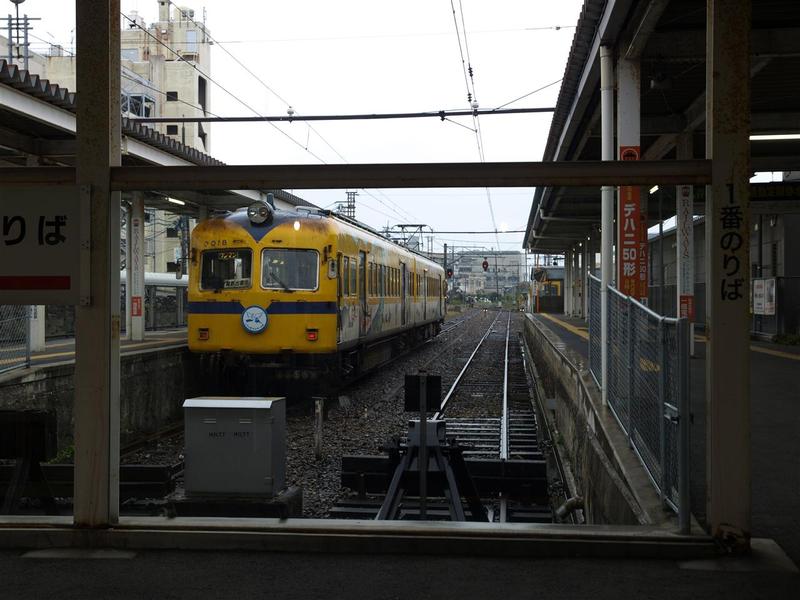
The Minamikkan, located a bit away from the hot spring source and more toward the center of Matsue, piqued my curiosity about the origin of the hot spring in Lake Shinji. So, I took a leisurely walk to explore the area. It was a nice surprise to find the “Yukake Jizo” statue and the Matsue Shinji Lake Station, which gave the hot spring town a charming local atmosphere. After staying at a ryokan on this side, I thought it might be nice to take a slow ride on the local train to Izumo Taisha next time. It could be a relaxing way to explore the area further.
From Sakaiminato to Tottori sand dunes
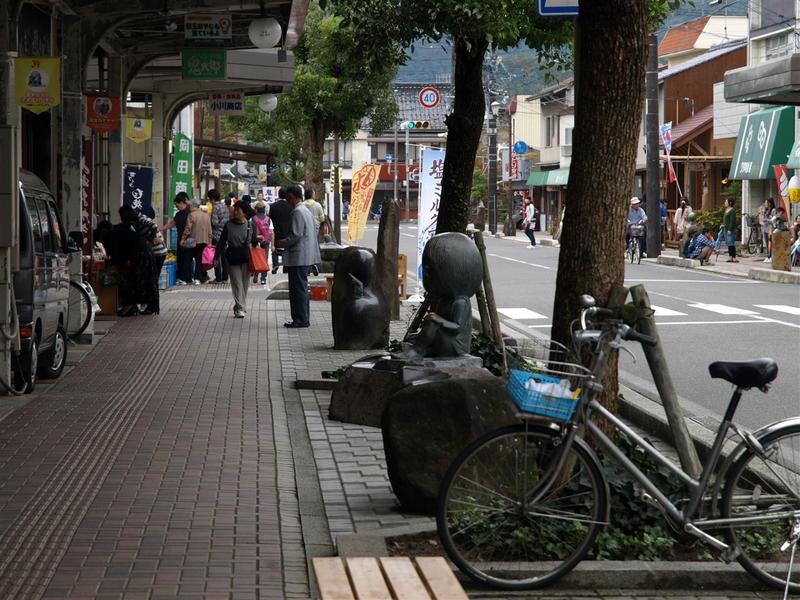


The main purpose of this trip was to attend my grandfather’s 17th memorial in Tottori. Since I had some free time, I decided to stop by Sakaiminato, the place where Mizuki Shigeru Road is located. I was surprised to see more people than I expected. The old shopping district had a handmade atmosphere, with the Mizuki Shigeru Road adding a lively and charming vibe to the area. It was a very nice experience.
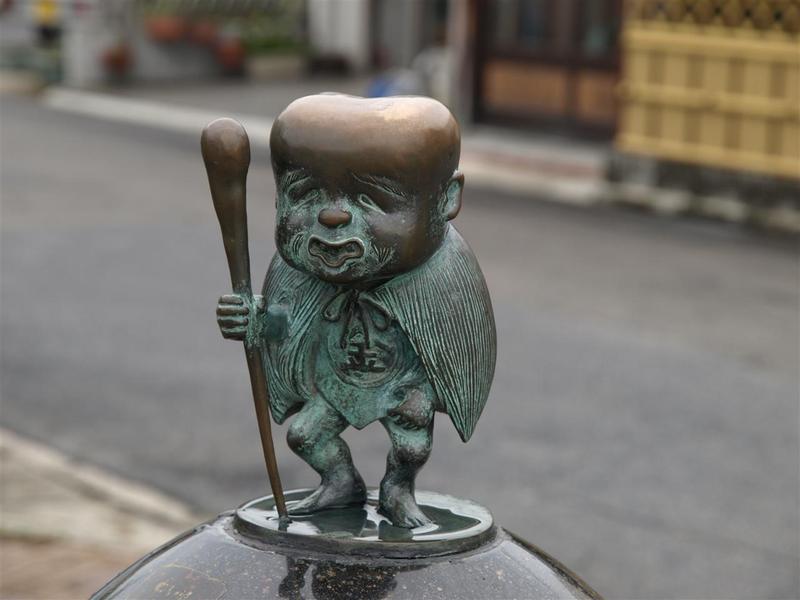
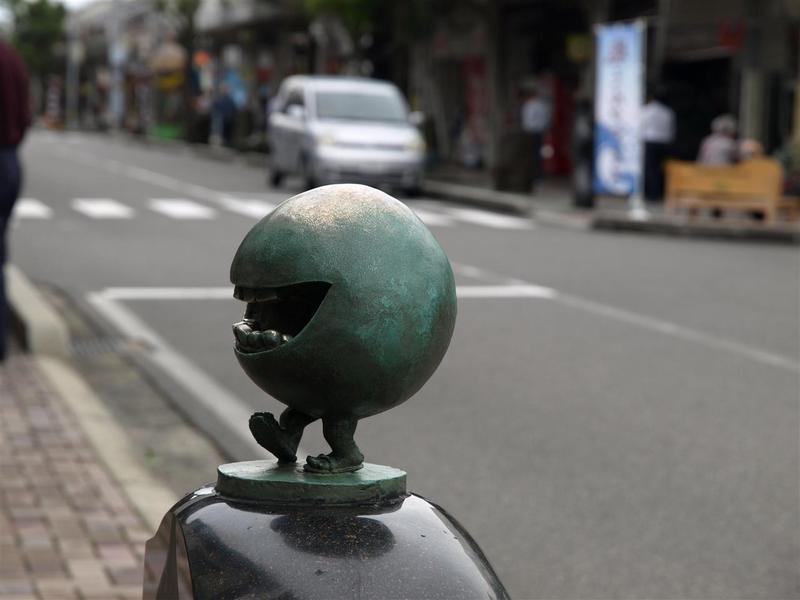

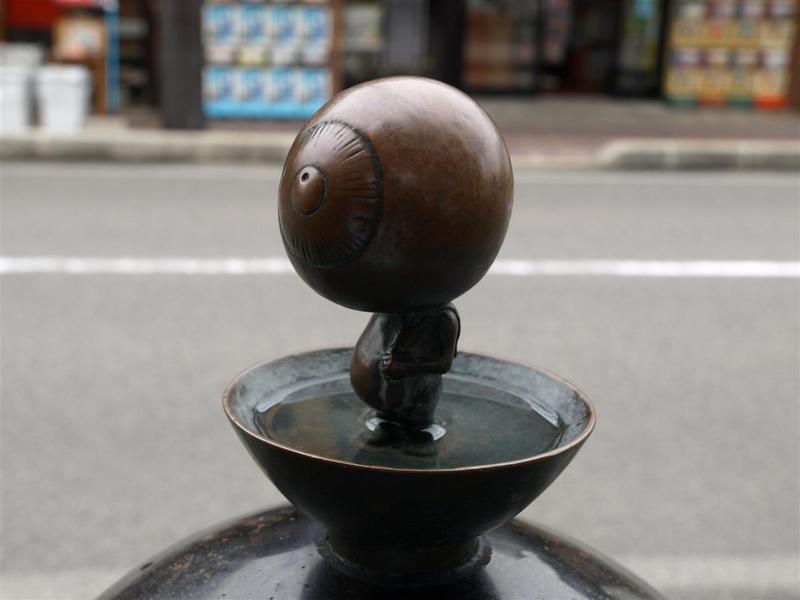
As I walked through the shopping street, I found little bronze statues of the yokai from GeGeGe no Kitaro everywhere. It was a lot of fun seeing familiar creatures from the past. There was also a person dressed in a Kitaro costume, but my kid was scared and wouldn’t go near it :).

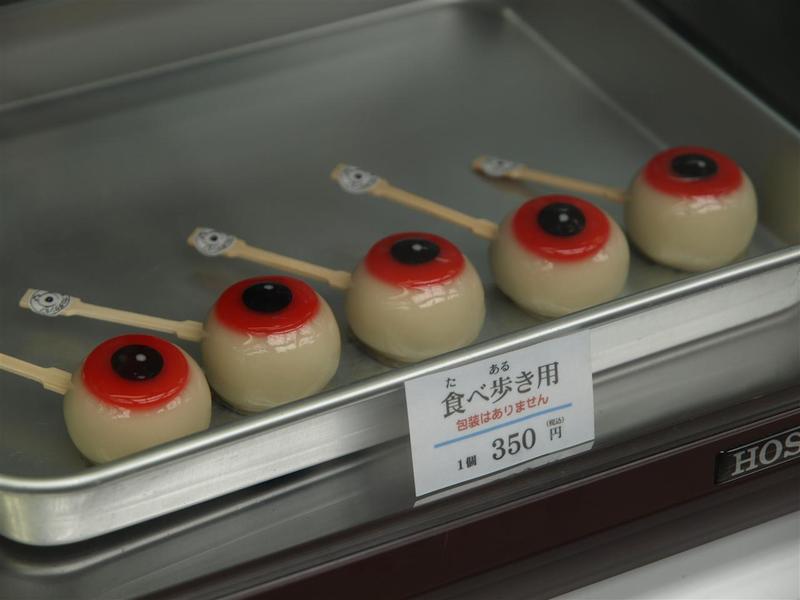

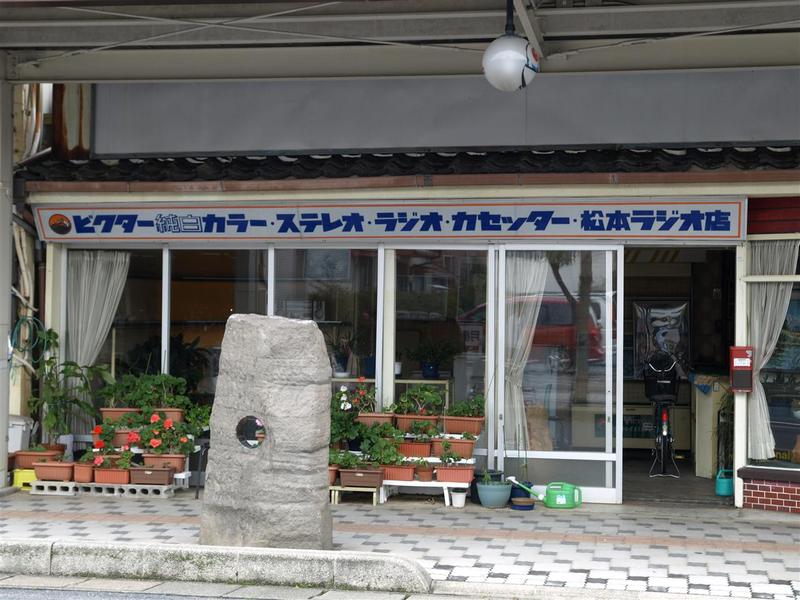
Along Mizuki Shigeru Road, I also came across the “Yokai Shrine.” There were many ema (wooden prayer plaques), and it seemed to be a popular spot. But I couldn’t help wondering what kind of wishes people make for yokai like the Ittan-momen or Nurikabe :). The shopping street was filled with GeGeGe no Kitaro goods everywhere, which was amazing. The second photo shows something that looks like a Japanese sweet. Despite all the Kitaro-themed items, there were still old-fashioned shops that kept their traditional charm, giving the area a unique atmosphere.
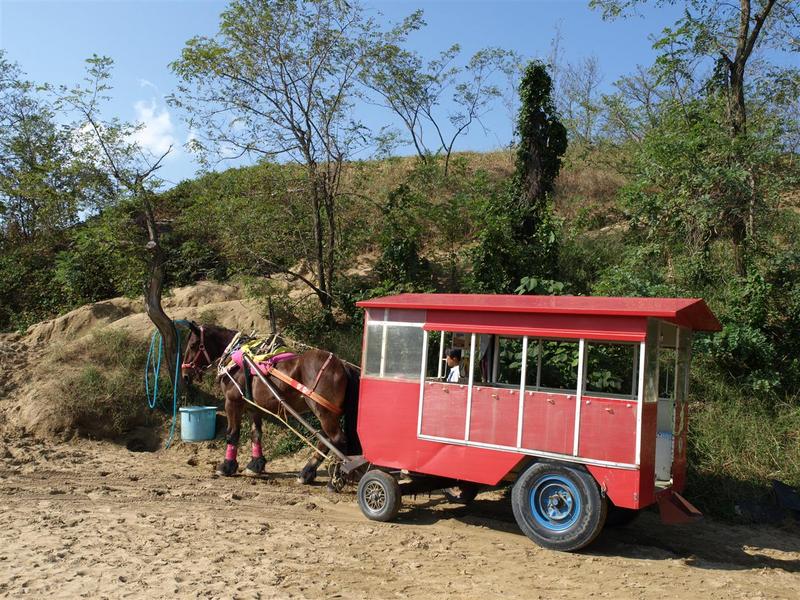
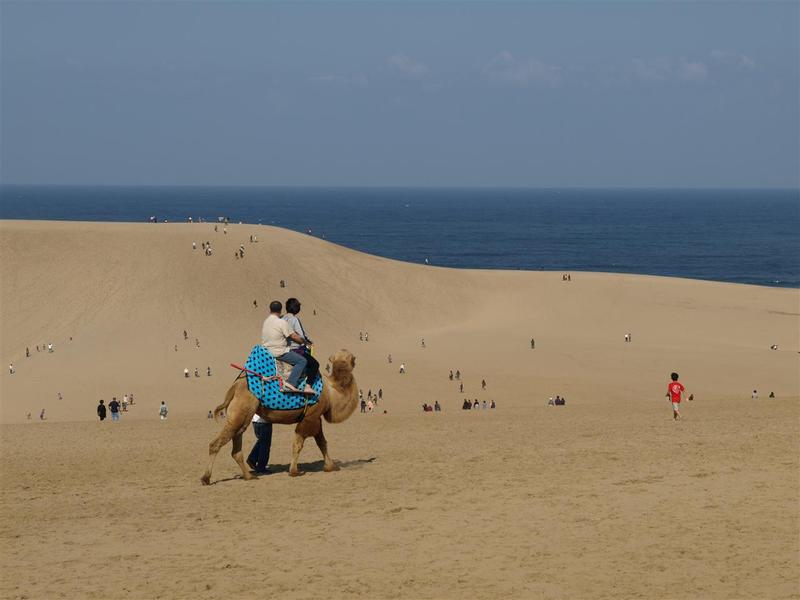

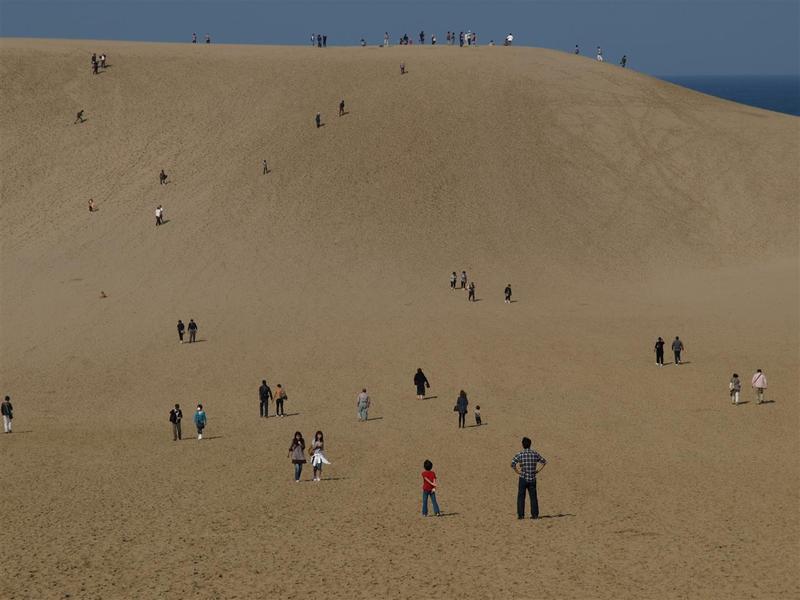

The Tottori Sand Dunes are a place I find interesting every time I visit. Seeing people appear small in the distance really shows the vast scale of the dunes. If you climb up to a spot called “Uma-no-se,” you can also see wind patterns created by the sea breeze. It’s a surprisingly fun place to ride a camel for a photo or enjoy some pear soft serve ice cream.