
The Plum Blossoms Were Beautiful (Nijo Castle)
It had been such a long time since my last trip to Kyoto. The city is so close that I can get there in no time by Shinkansen, and I wonder if that convenience is what has kept me from visiting more often. The journey was so smooth it felt almost too easy.

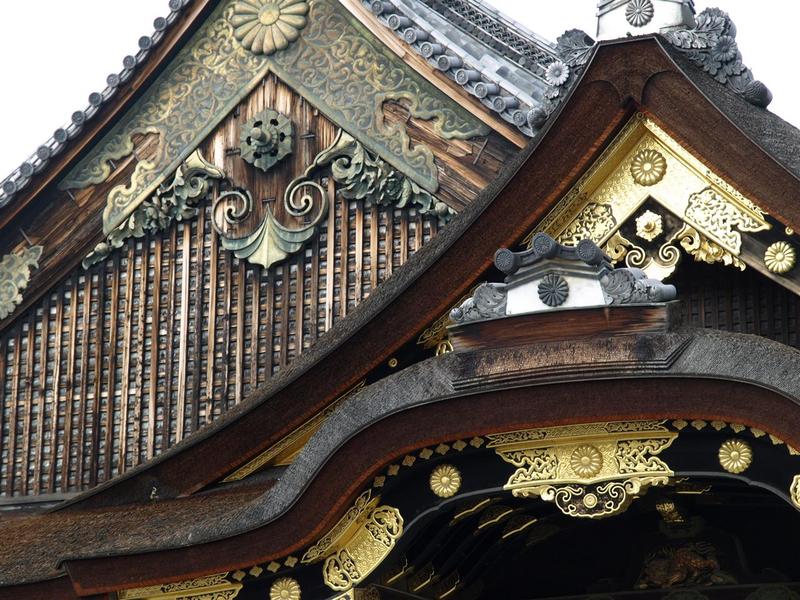
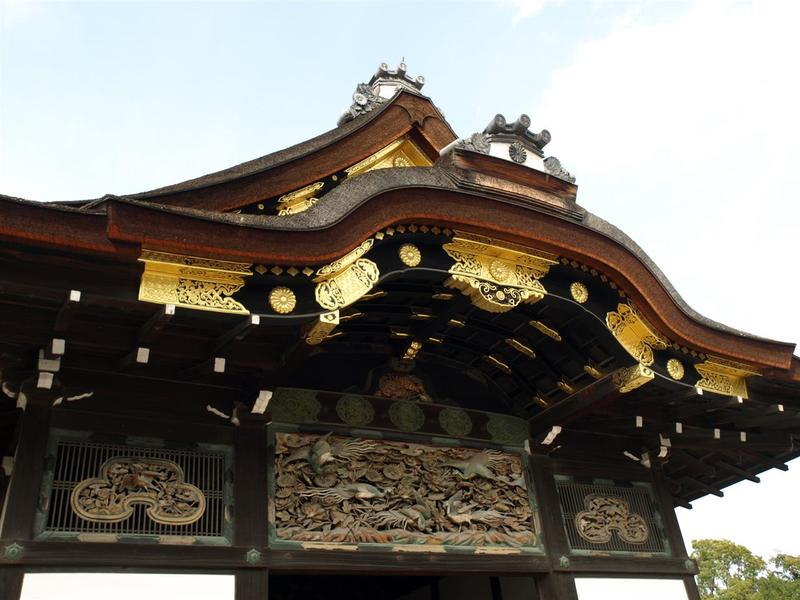

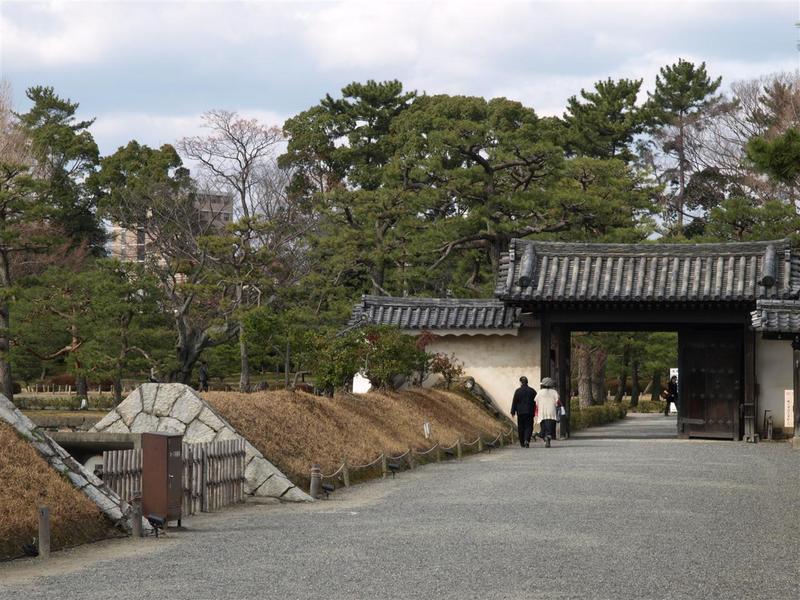
Since our accommodation was right in front of Nijo Castle, it became the starting point for our sightseeing. The Ninomaru Palace, built in the Shoin-zukuri style, was fascinating with its nightingale floors, the rooms where the shogun met with feudal lords, and the stunning paintings by the Kano school displayed there. There was no shortage of highlights to enjoy. The weather was perfect for strolling outside as well.
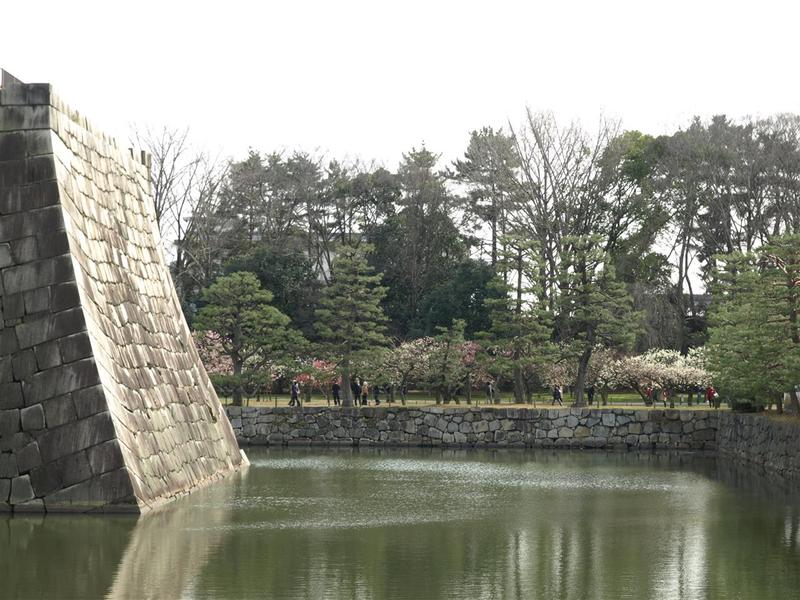


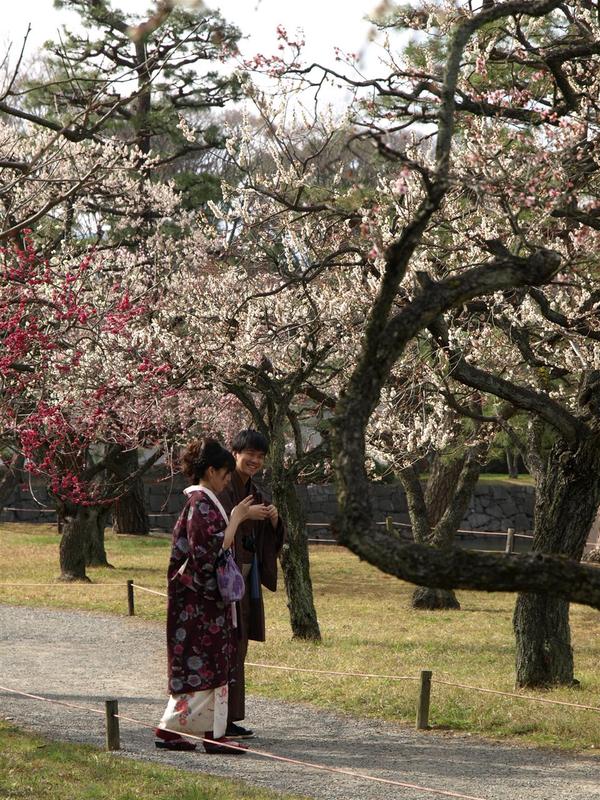
From the Honmaru Palace, we crossed the western bridge and saw beautiful plum blossoms blooming on the other side. While it was still too early for cherry blossoms, the plum blossoms were in full bloom and absolutely stunning. My child seemed to enjoy them too, eagerly looking at the flowers.
That day, there was some kind of event where people in traditional Japanese clothing or kimono could enter for free, so I spotted several visitors dressed like that. It really added to the atmosphere in a lovely way.
Enjoying a Food Walk at Nishiki Market


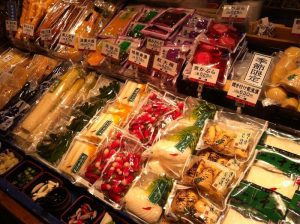

After leaving Nijo Castle, we headed to Nishiki Market. We took the subway to get there, and I couldn’t help but notice that many of the station names sounded like they could be used as people’s names, which was kind of interesting.
Nishiki Market was much more crowded than I expected, bustling with energy and full of life. We tried things like soy milk ice cream, donuts, and fried fish cakes stuffed with squid and shiso. It’s so easy to overeat when there’s so much delicious food around!
Kikko-ya


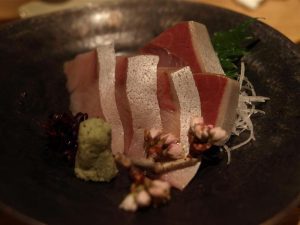
When I asked something like, “Are there any Kyoto-style places that are also kid-friendly?” my wife’s friend suggested a few spots, one of which was Kikko-ya. Since we had our child with us, we decided to go there for an early dinner.
Although it had an izakaya vibe, there was a tatami room, and the other guests in that room also had children, which made us feel at ease. We enjoyed a delicious and fun meal with great food and drinks.
Kyoto Higashiyama Hanatouro
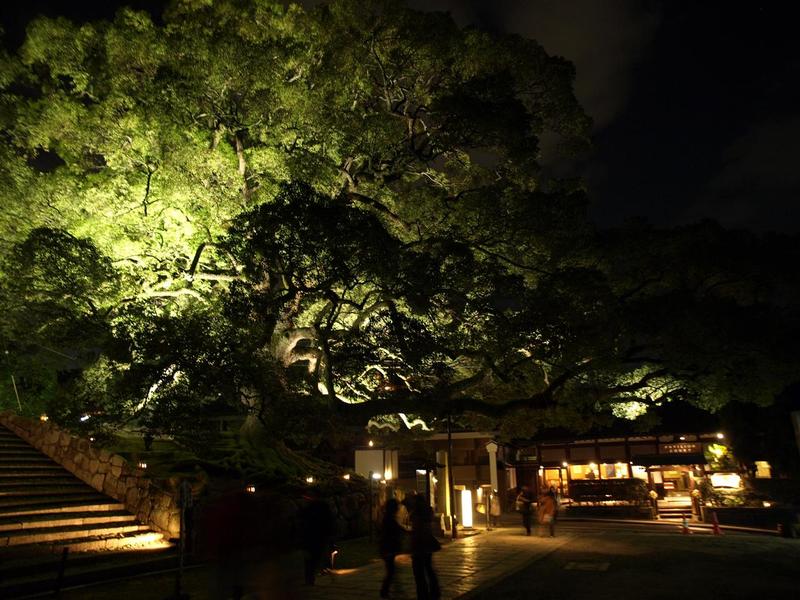
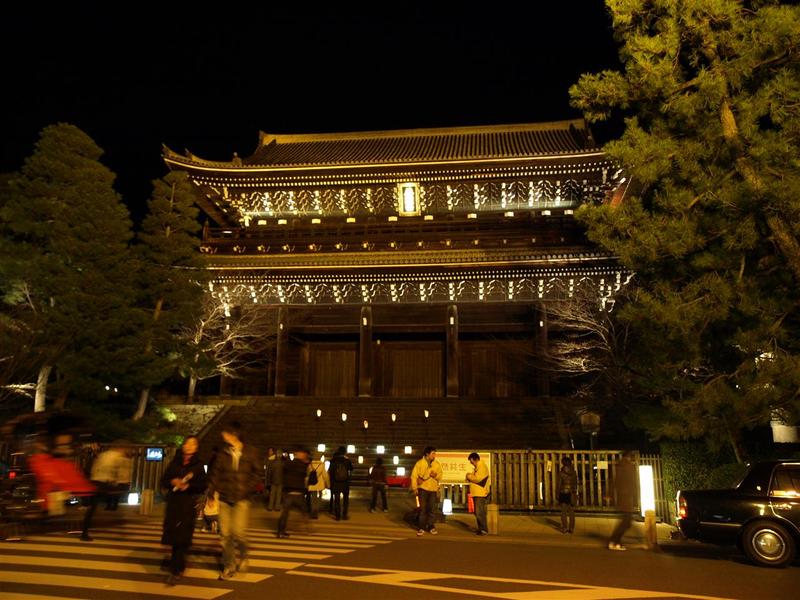

We came to the Higashiyama Hanatouro in Kyoto, where temples and streets are beautifully illuminated in a magical way. After getting off at Higashiyama Station on the Tozai Line, the first place we visited was Chion-in Temple. It was lit up with a soft glow, creating a wonderfully atmospheric scene.
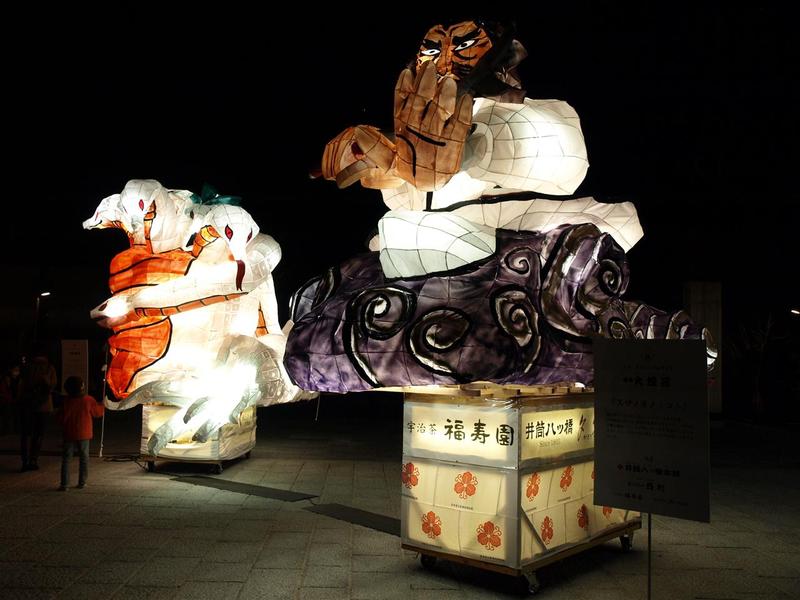
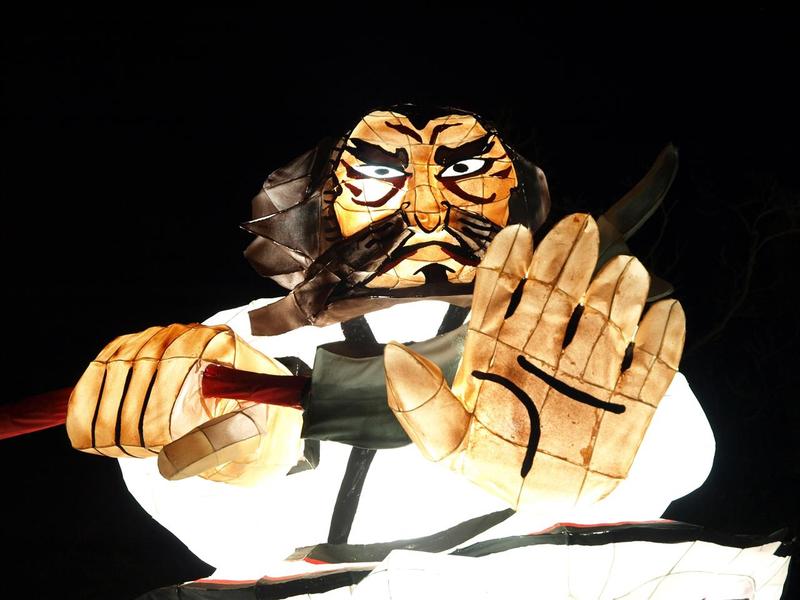
Right in front of the temple, there was a plaza displaying the Awata Daitouro, a type of lantern said to have inspired the Nebuta floats. While it wasn’t very large, it had quite an impressive presence.
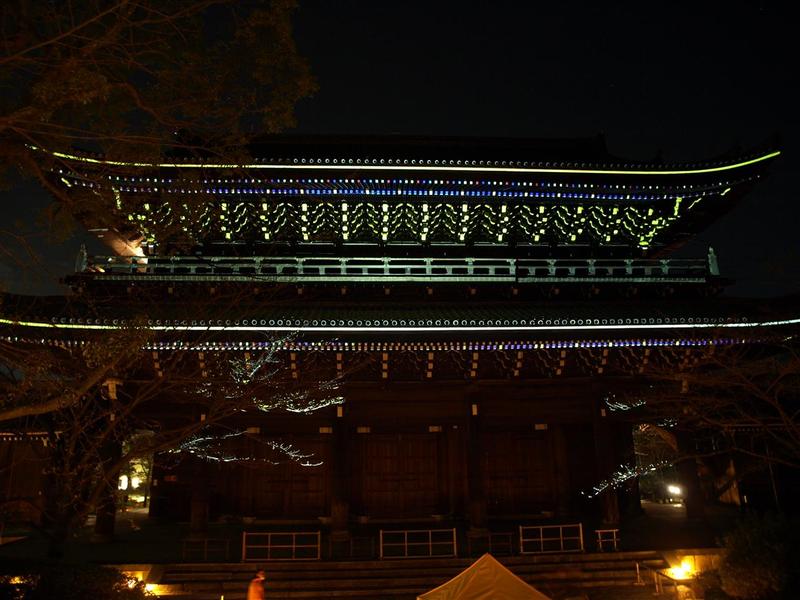
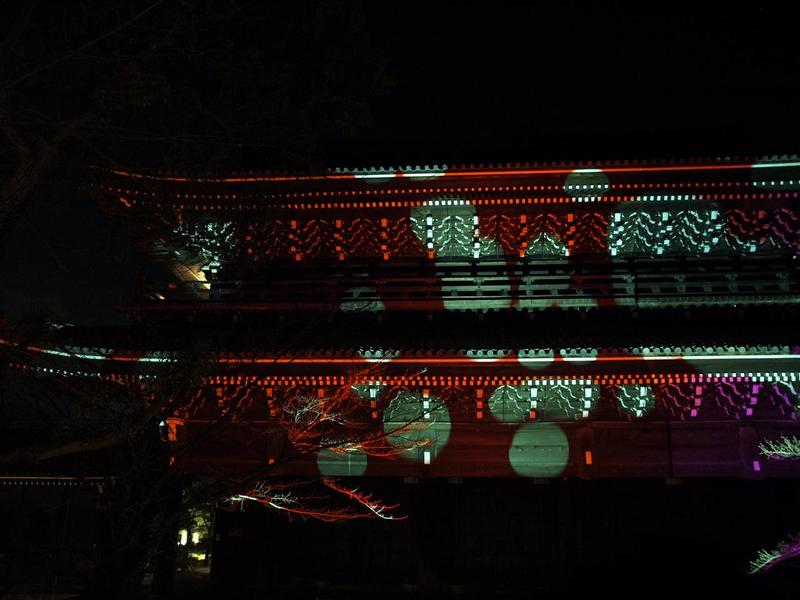
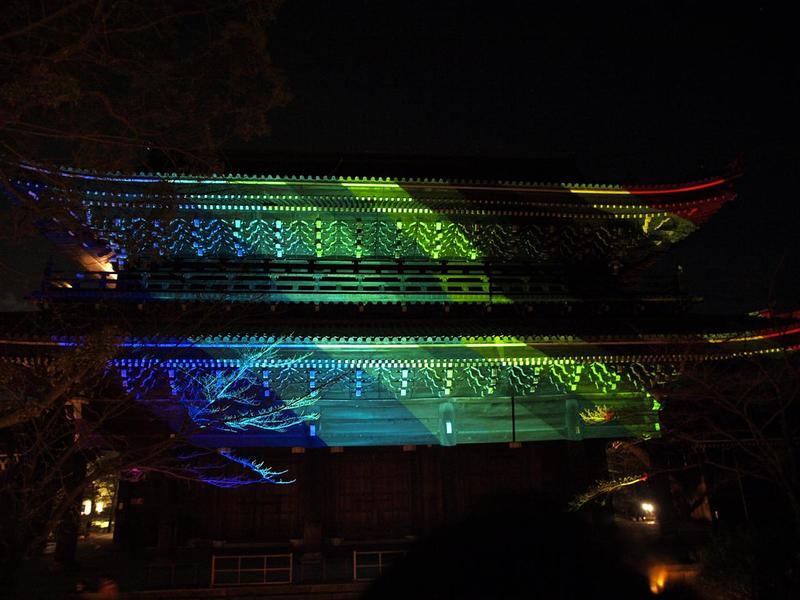
As part of the 10th-anniversary celebrations of Hanatouro, there was an event called “Illusions of Light” at the Sanmon Gate of Chion-in Temple. The event involved projecting programmed visuals onto the gate, tailored to its structure.
For example, some effects made the cross-sections of individual components glow in different colors, while others projected ripples like those on water, creating the illusion that the Sanmon Gate itself was gently swaying.
It lasted a little over 10 minutes, but the mesmerizing display made me lose track of time. It was an incredibly captivating experience.

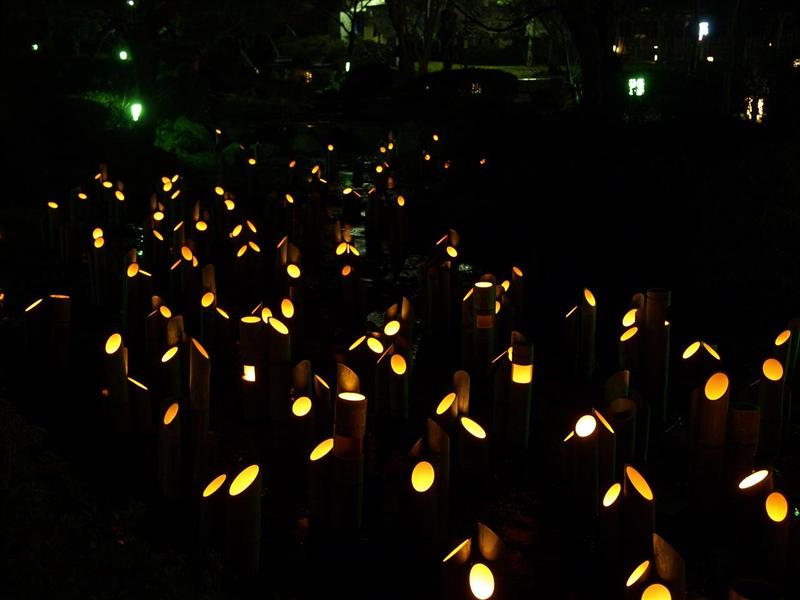

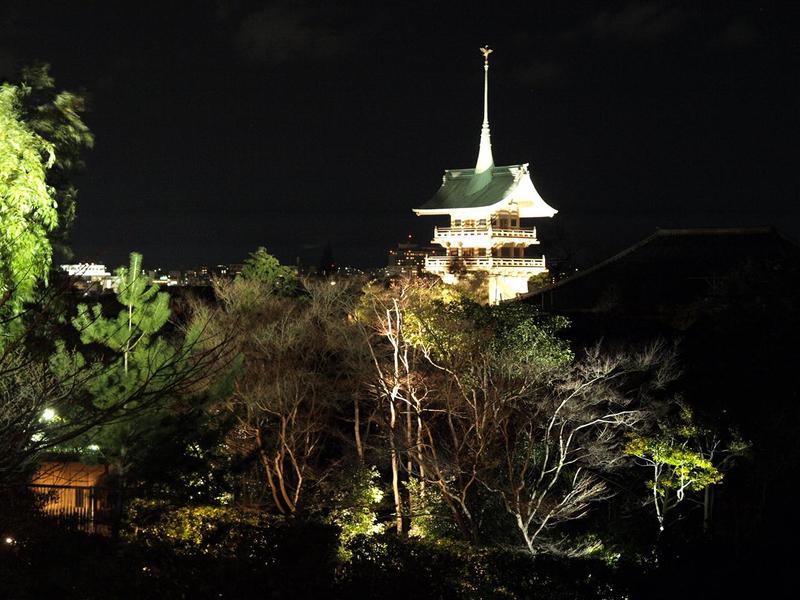
All around the venue, there were ikebana (flower arrangement) displays and bamboo lanterns set up along the small streams. No matter where you walked, there were captivating scenes that made you stop in your tracks and admire them. It was truly impossible to get bored.
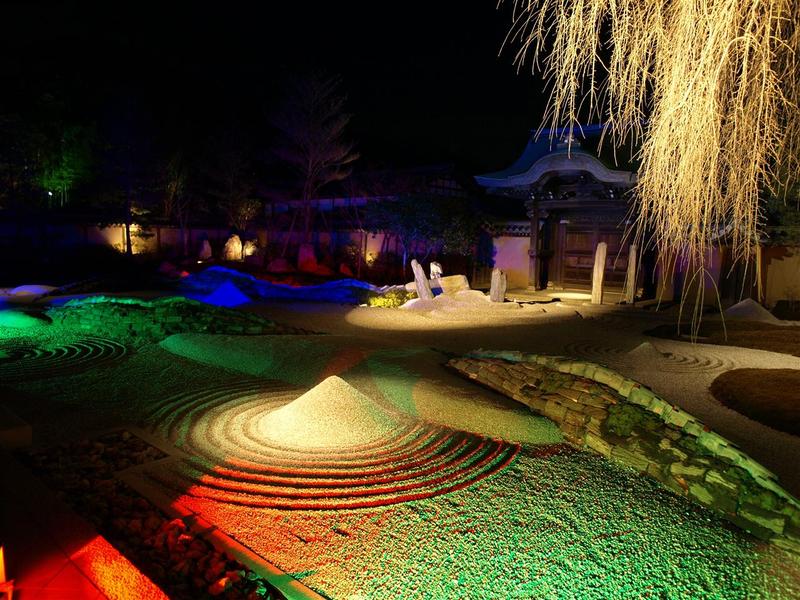
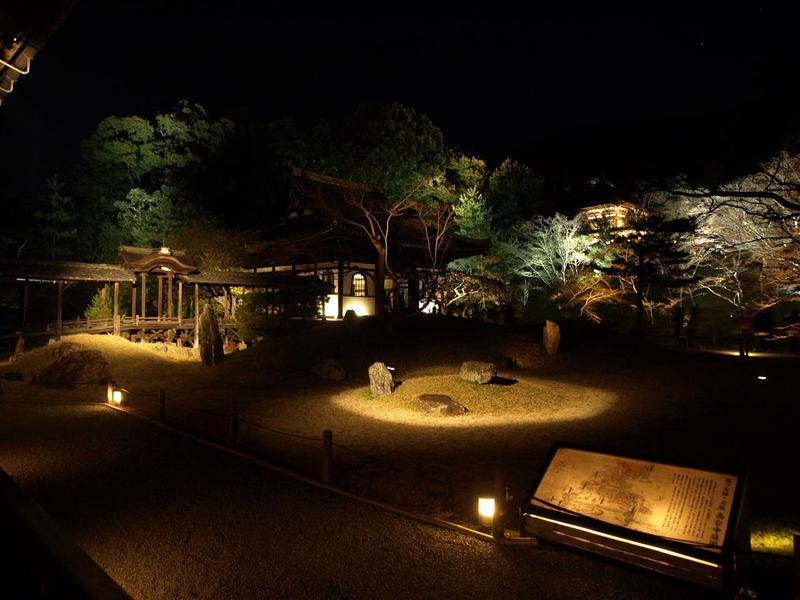
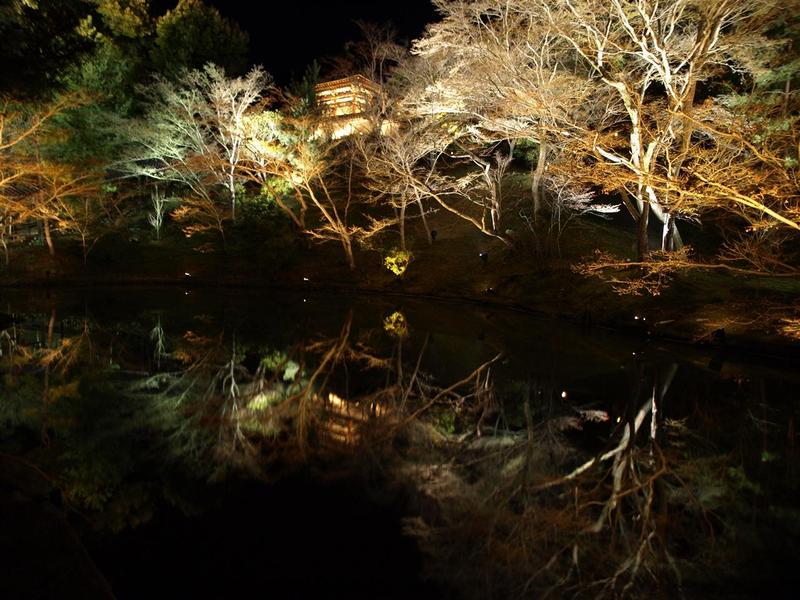
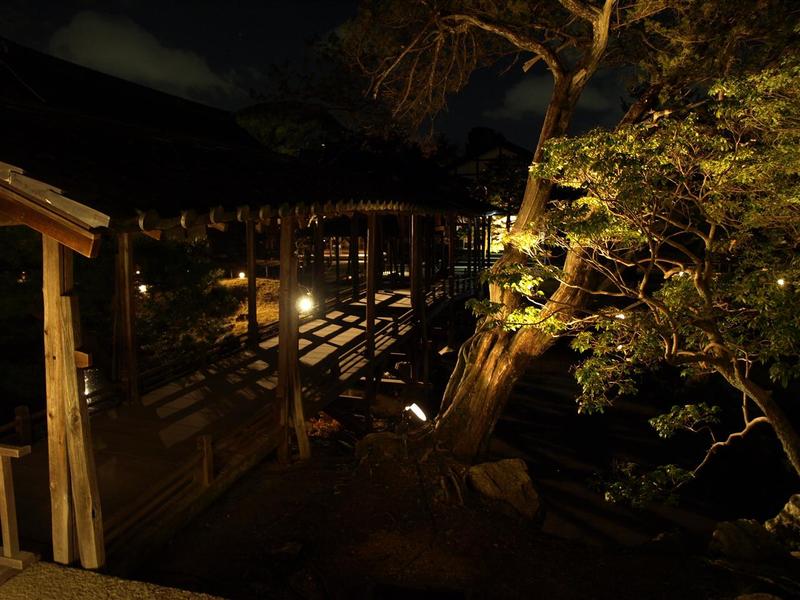

During the Hanatouro period, special admission was offered to Kodai-ji Temple, which was established by Kita-no-Mandokoro (Nene). The illuminated garden, the trees reflected like a mirror on the Garyu-ike Pond, and the mausoleum enshrining Hideyoshi and Kita-no-Mandokoro, which had a completely different atmosphere at night, were all stunning.
Although we were short on time and had to rush through, I still felt fortunate to experience such a captivating ambiance.
Visiting Mount Hiei (Hiei-san)
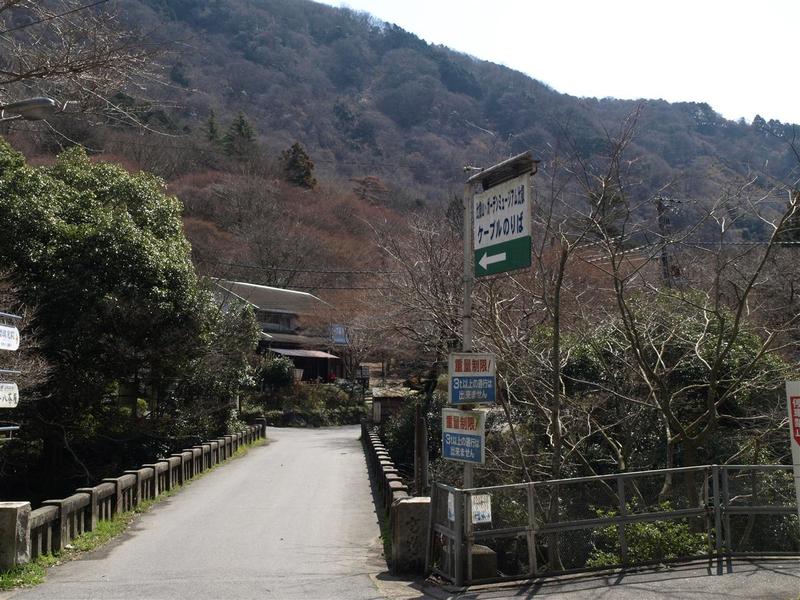
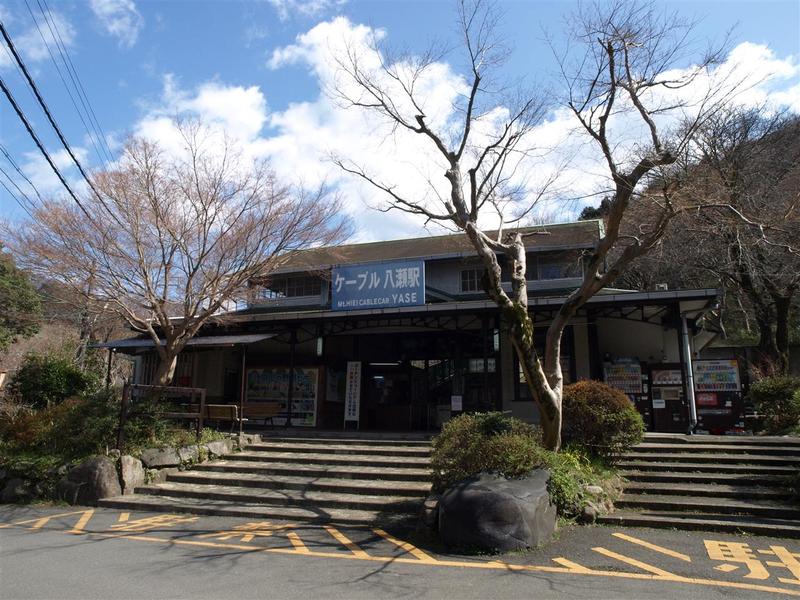
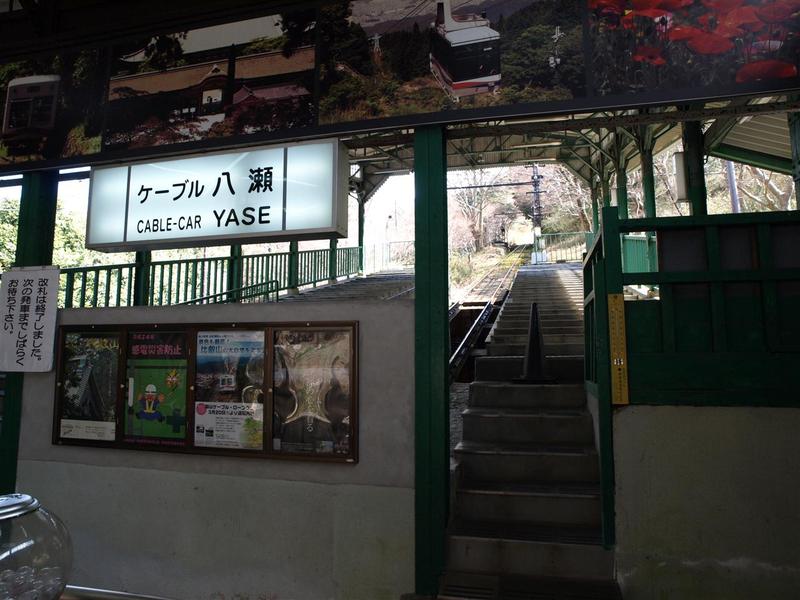
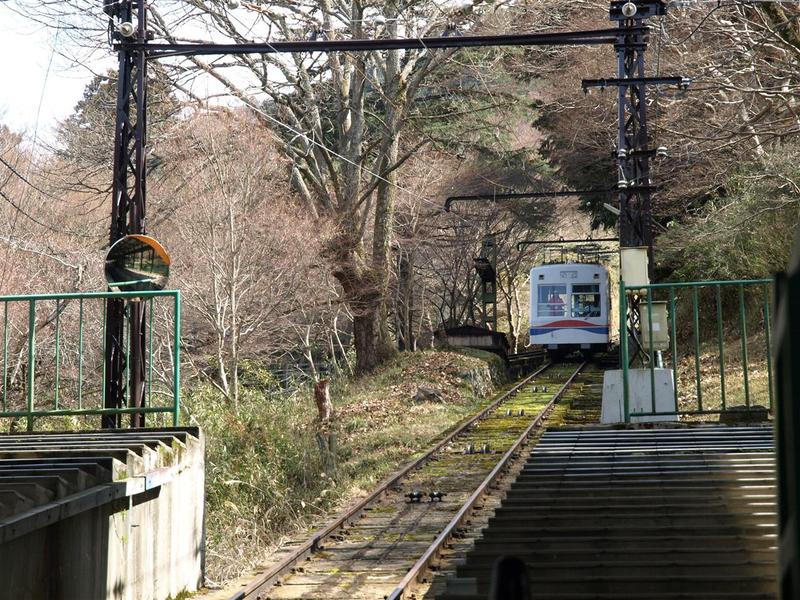
The next day, my wife went to meet her friend with our kid, so I decided to extend my trip and head to Mount Hiei. Without a car, it was quite a long journey, requiring transfers between trains, buses, cable cars, and ropeways from downtown Kyoto.
Since Mount Hiei is also a UNESCO World Heritage site, I expected it to be crowded, but surprisingly, the cable car station was empty, and I started to wonder if anyone was actually coming. I guess the fact that there was some time before the next one arrived and the station staff weren’t around added to that feeling.
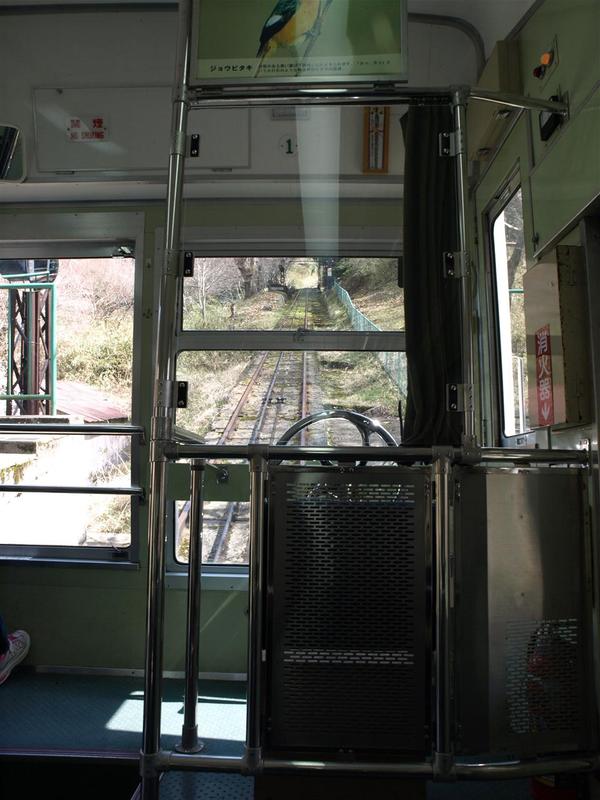
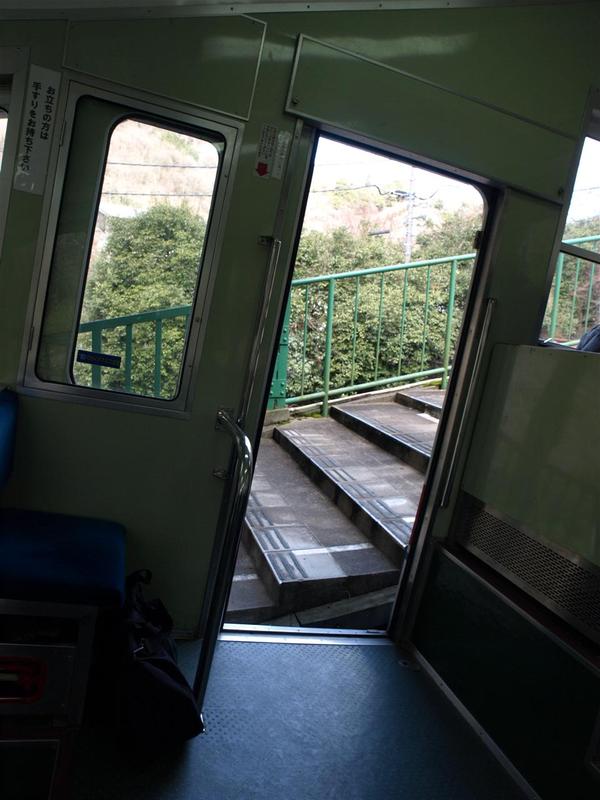


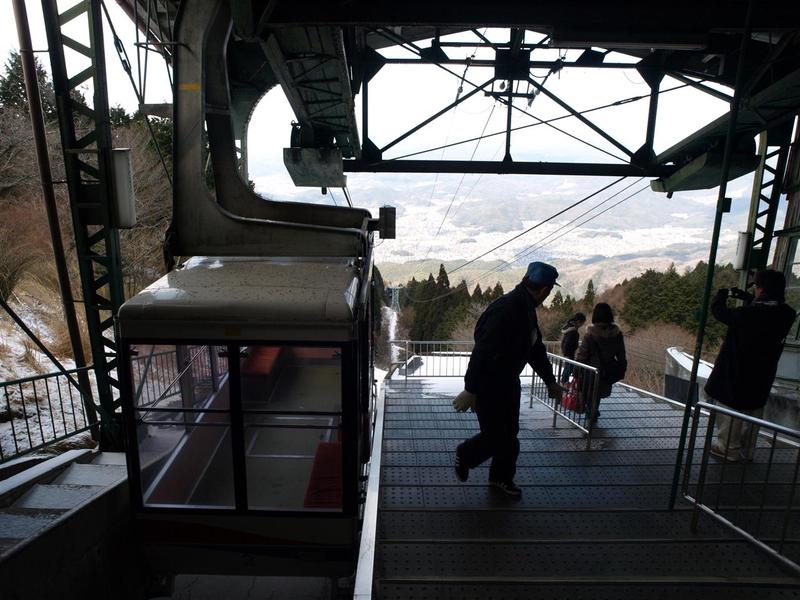
The cable car heading to Mount Hiei was quite an experience. Once inside the car, I could feel it climbing a steep slope, and my sense of balance got a little off. The height difference of 561 meters makes this the steepest cable car in Japan, and the angle is probably quite extreme. Unusually for a cable car, there were curves along the way, and before I knew it, the 9-minute ride was over.
At the Cable Hiei Station, there was a kawarake-nage (pottery throwing) square, and I wondered if anyone was throwing pottery there as part of a wish-making ritual.
From here, I took the ropeway up to the summit of Mount Hiei, and even though it was almost April, there was still snow, and it was surprisingly chilly!


Since it was a weekday, there was quite a bit of time before the shuttle bus that runs around Mount Hiei, so I decided to walk from the summit to Enryaku-ji Temple. According to the ropeway staff, it would take about 30 minutes on foot, but there was still a lot of snow, so it turned out to be a bit of a challenge.
However, the scenery along the way was beautiful, and walking along the approach with Jizo statues and other sights was really pleasant. Personally, I felt that walking was the right choice.
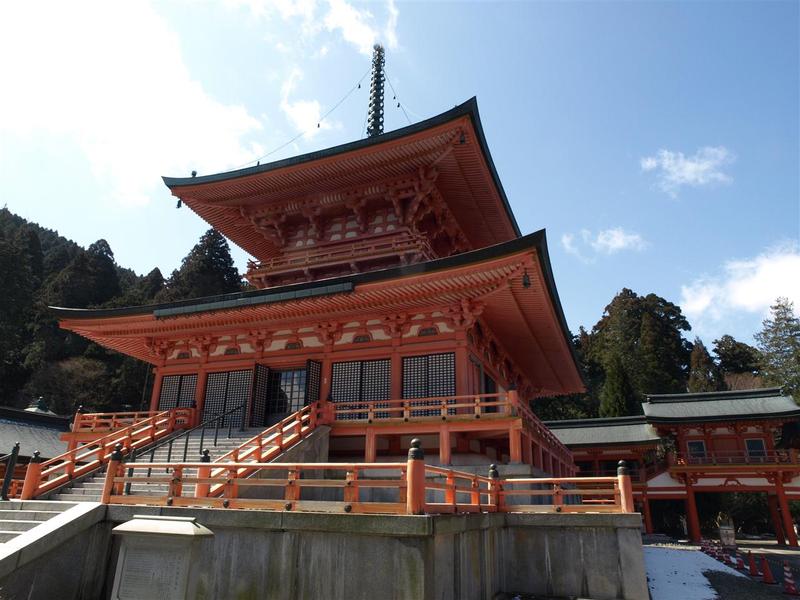
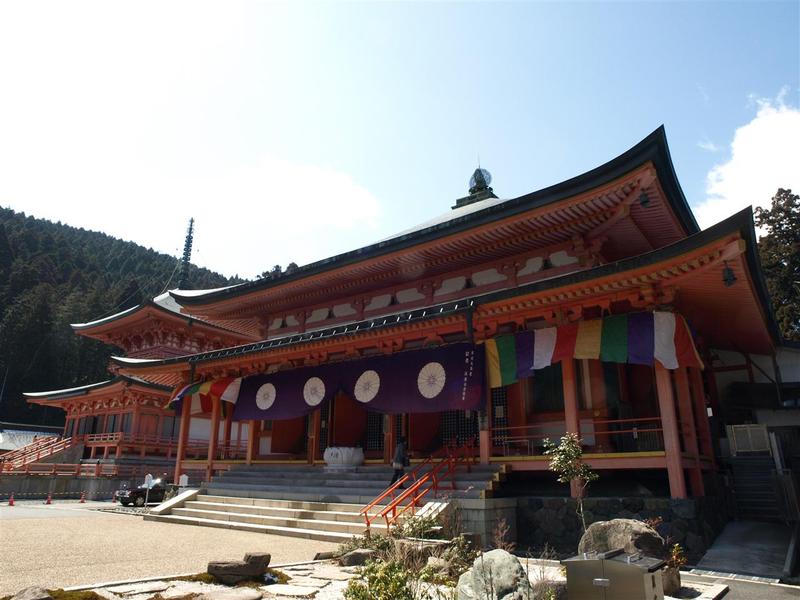
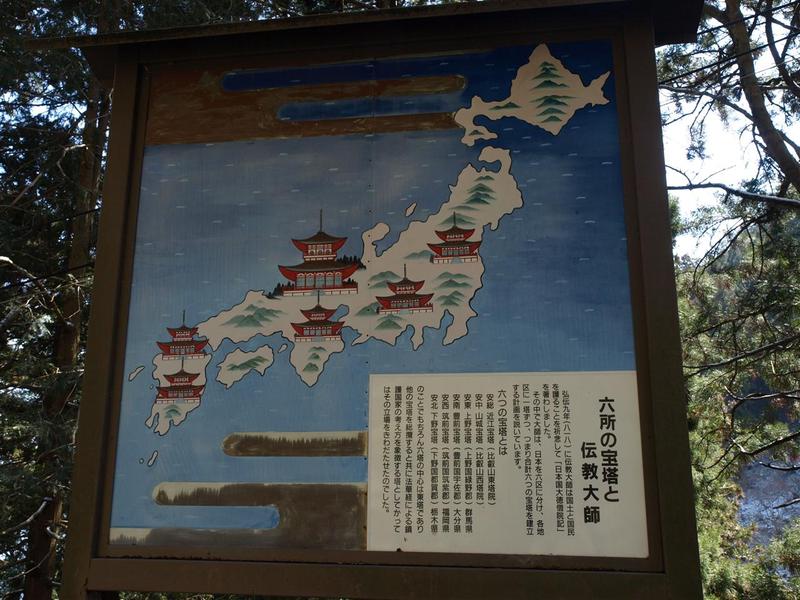
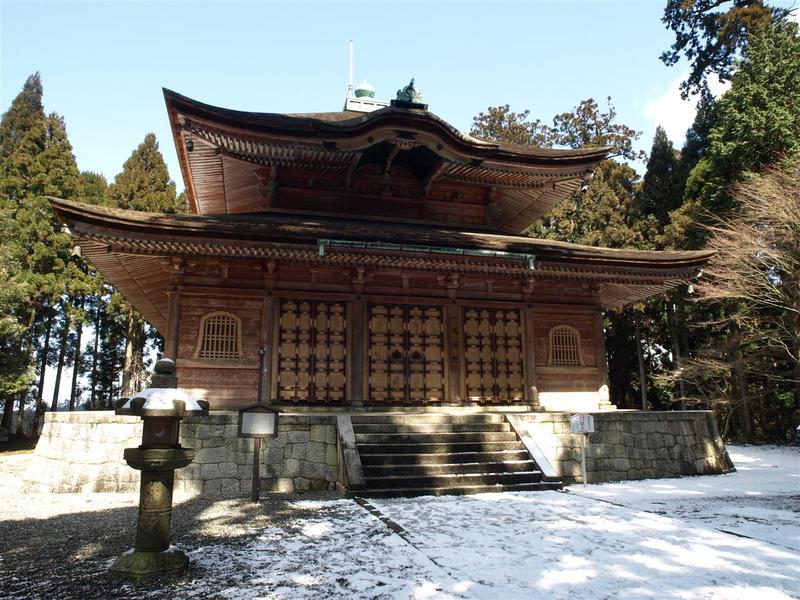

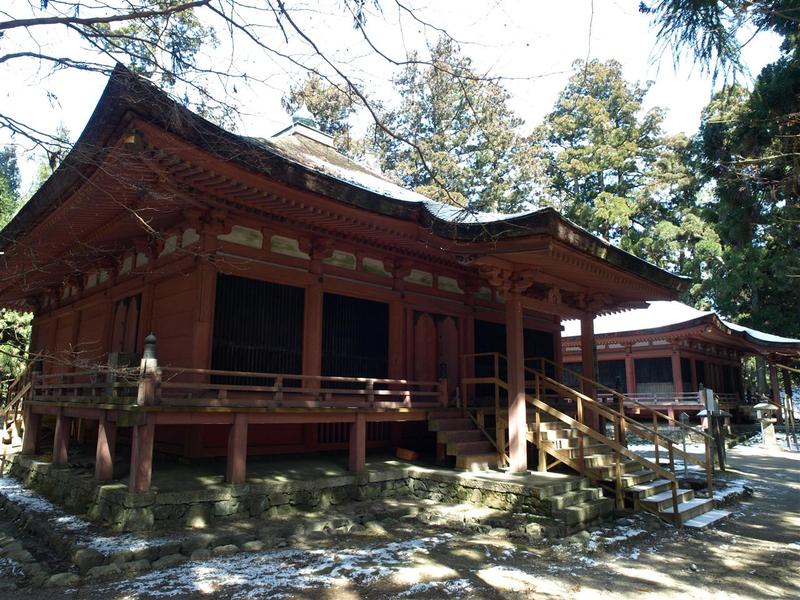
Enryaku-ji Temple on Mount Hiei spans a large area with three distinct regions: the Eastern Pagoda (Tō-tō), Western Pagoda (Sai-tō), and Yokokawa. The first area I arrived at was the Eastern Pagoda, which is home to the National Treasure, the Konpon Chūdō Hall. The first photo is of the Eastern Pagoda, and below to it is the Amida Hall, if I’m not mistaken.
I had a strong image of the temple being burned down by Nobunaga, so the quiet, solemn atmosphere here was somewhat unexpected and surprising.


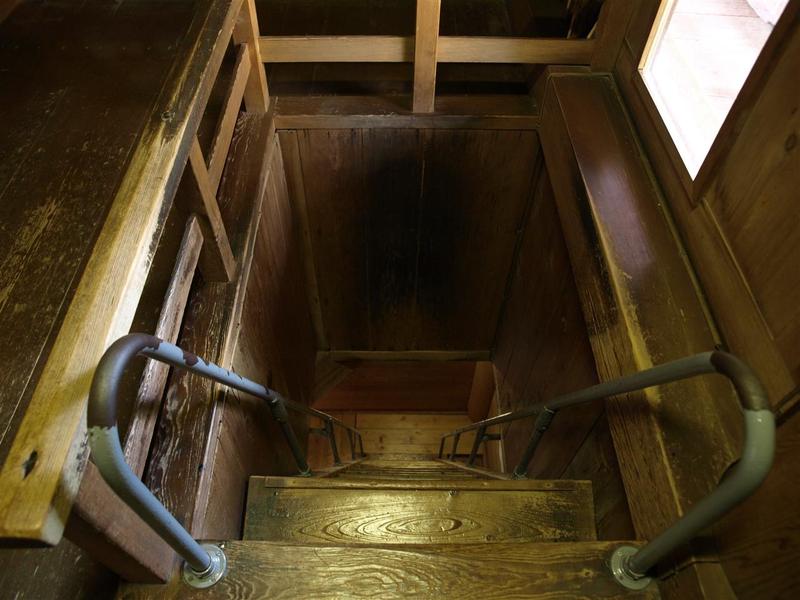
Photography was prohibited inside, so I don’t have any pictures, but the Konpon Chūdō Hall, a National Treasure, was absolutely magnificent. As soon as I step inside, my attention is drawn to the corridor and the garden it surrounds. The atmosphere is so peaceful that it feels as though time has momentarily stopped. In front of the main statue in the Konpon Chūdō Hall, there is the “Immortal Flame” which has been burning for over 1,200 years.
The building that serves as the gate to Mount Hiei is the Monjū-dō. Like many of Enryaku-ji’s buildings, this one particularly stood out because of its aged vermilion color, which gave it a wonderfully atmospheric feel. It’s possible to enter, but the interior stairs are incredibly steep and narrow. With a backpack on, it was a struggle to navigate them, as I kept getting caught trying to go up and down.

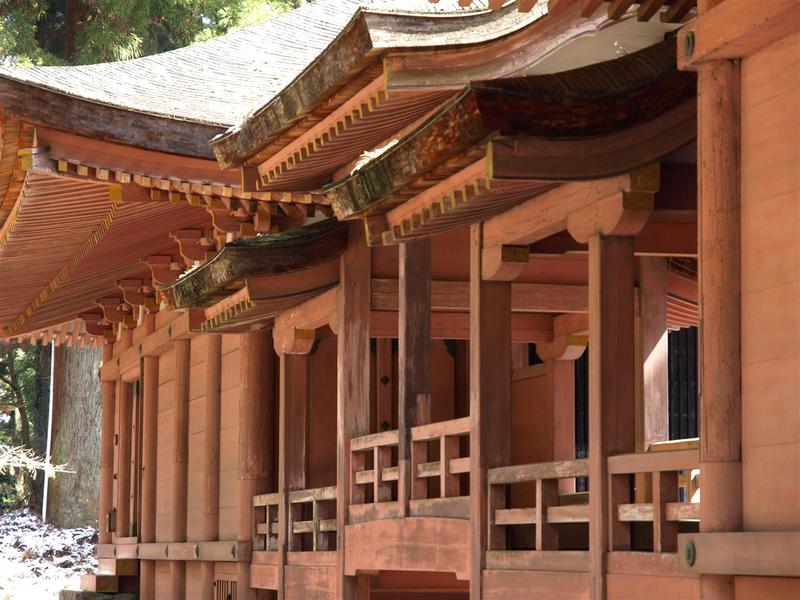


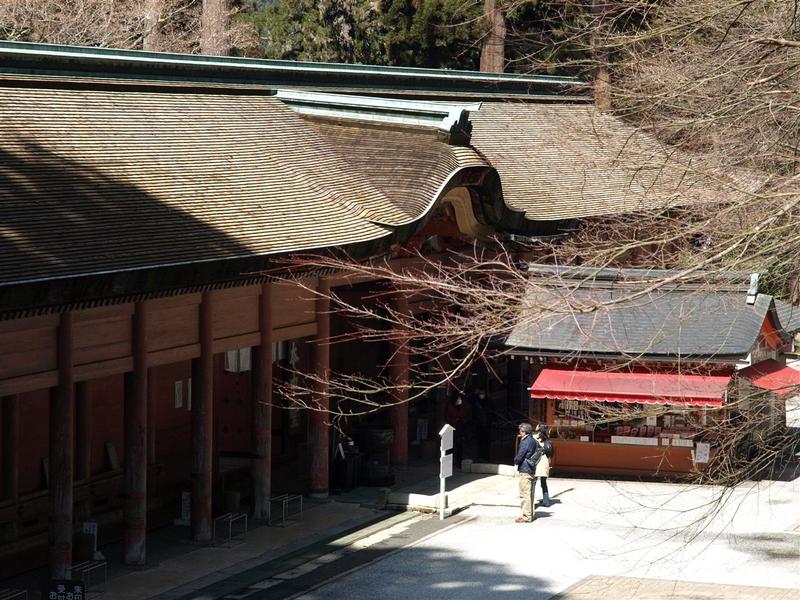
The Western Pagoda (Saitō) was very quiet, perhaps because it’s located deeper in the mountains and not many people visit it. The Ninaidō, also called Jōgyō-dō and Hokke-dō, are two identical halls connected by a corridor. You can walk underneath this corridor, and it’s said that Benkei once carried his companion on his back while walking between these two halls, which is why the corridor is also known as “Benkei’s Ninaidō.”
If you walk from the Eastern Pagoda, the building at the farthest point is the Shaka-dō. It is the oldest remaining building in Enryaku-ji Temple, a true piece of history.


The waiting room for the ropeway had a really nice atmosphere, with a standing stove and long benches covered in blue fabric. When I took the cable car down to Yashio, I found a group of children who seemed to have just finished their hike, chatting and laughing excitedly.
Sanzen-in Temple, Ohara, Kyoto
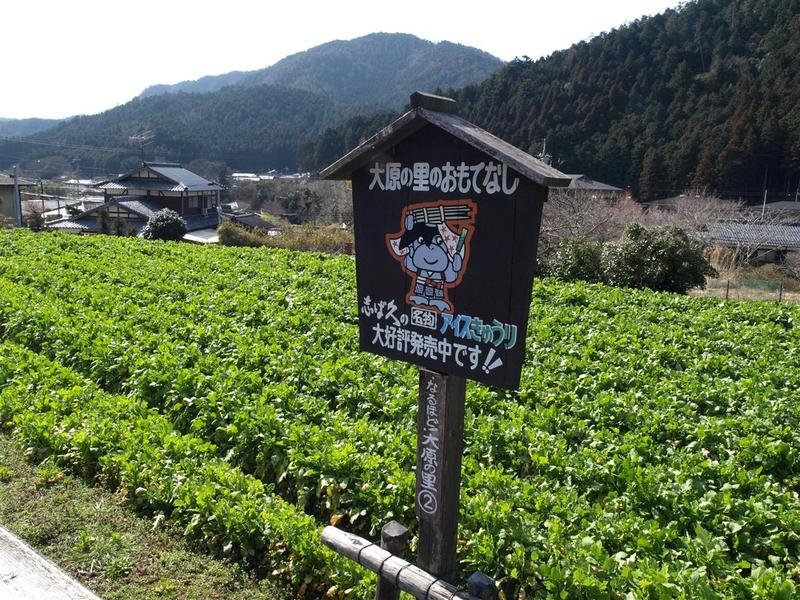
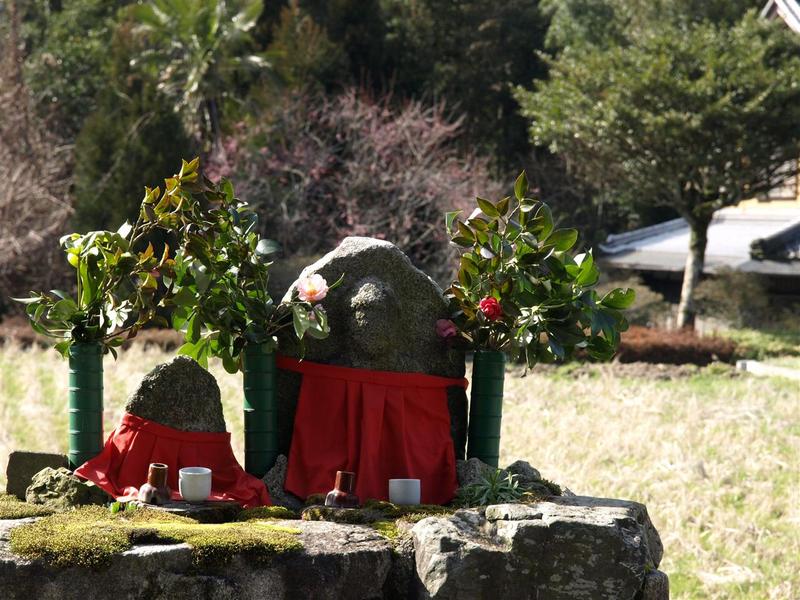
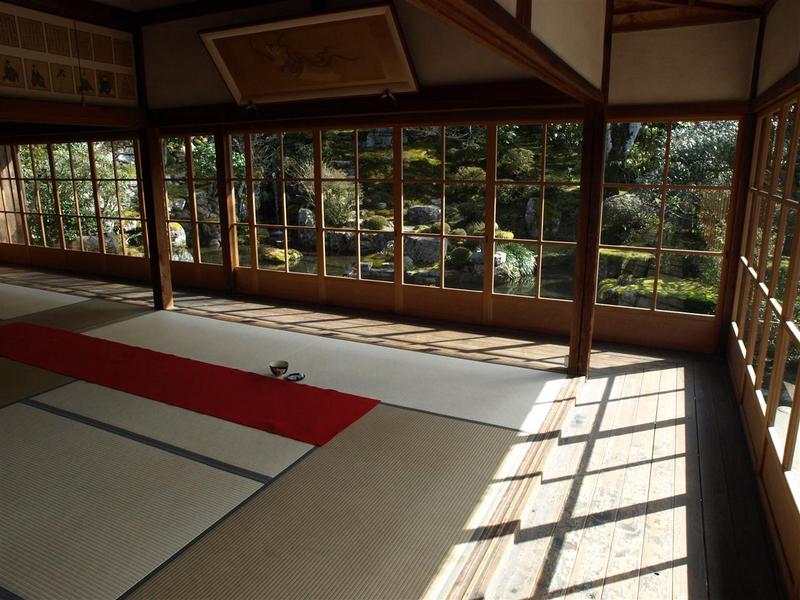
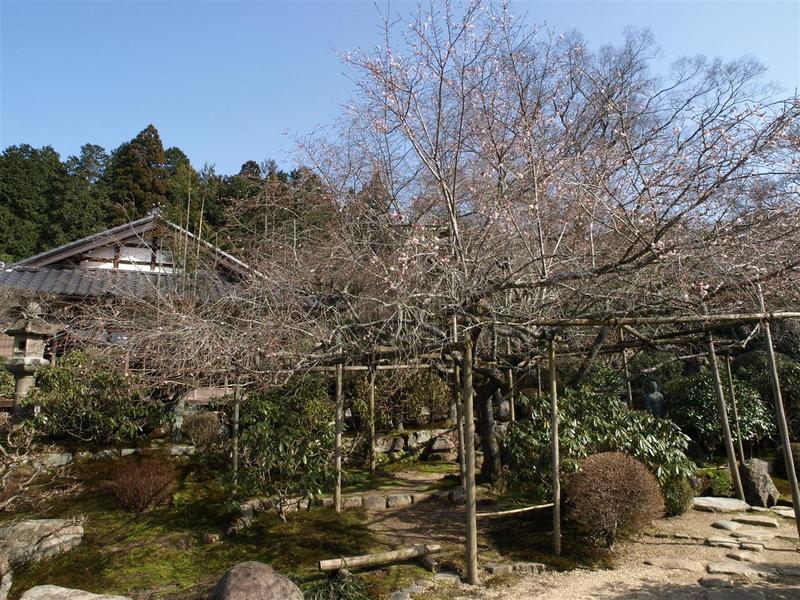
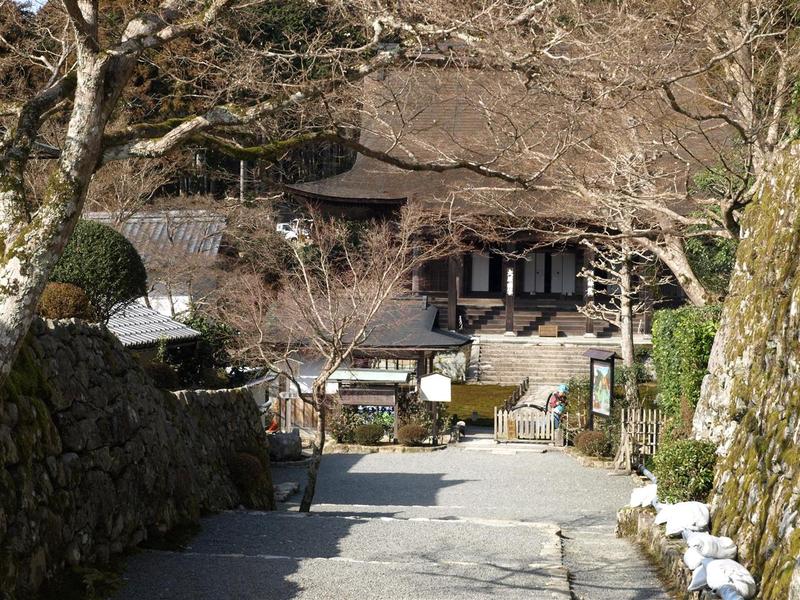
Since the bus from the ropeway station to Kyoto Ohara was quite quick, I decided to head out to Sanzen-in Temple. From the bus stop, it was about a 10-minute walk along a peaceful rural road. Along the way, I noticed the term “Fudan-zakura” written somewhere, which caught my attention, so I decided to stop by a temple called Jikkō-in.
I took a break in front of the garden while enjoying some traditional sweets and matcha. At first, I thought the “Fudan-zakura” was just beginning to bloom, but this particular cherry tree is unique in that it blooms continuously from early autumn through to the spring of the following year. In fact, it seemed that the flower season was actually nearing its end. If you visit in the autumn, you’d be able to see the rare combination of cherry blossoms and autumn leaves together.
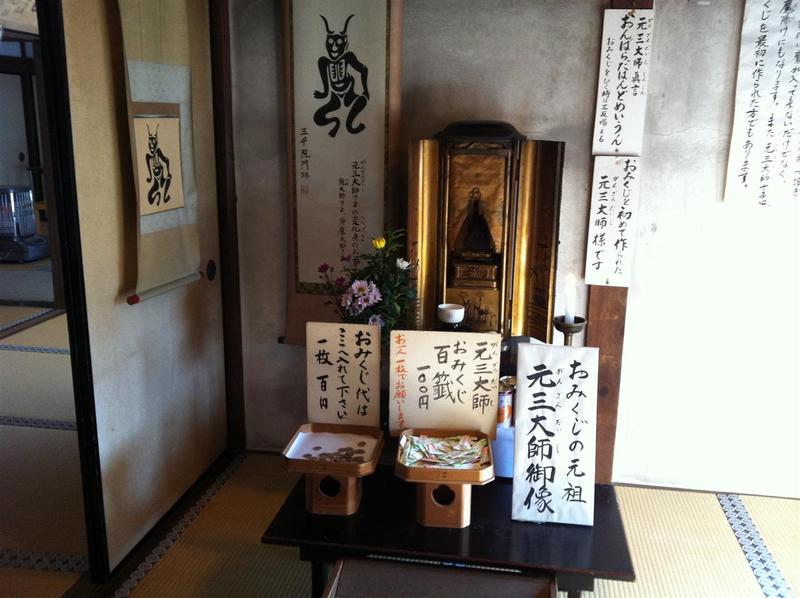


What first caught my eye at Sanzen-in was a painting of Gensan Daishi. Gensan Daishi, known as Ryōgen, is said to have taken on the form of a demon to drive away the plague god. It is also said that Ryōgen created the omikuji (fortune slips) here.
While at Sanzen-in, I tried my hand at calligraphy. It had been a while since I last used a brush pen, so it didn’t go as smoothly as I hoped :).
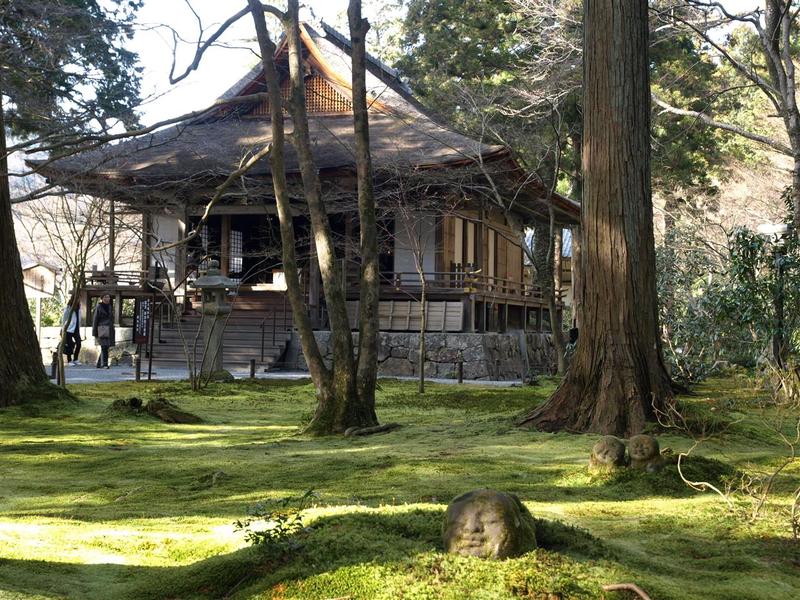
The garden surrounding the Ōjō Gokuraku-in Hall, where the National Treasure, the Amida Triad, is enshrined, is covered in moss and has a really nice atmosphere. Amidst this, the little Jizo statues of children appear unexpectedly. They seem to be playing on a green carpet of moss, and they’re absolutely adorable.
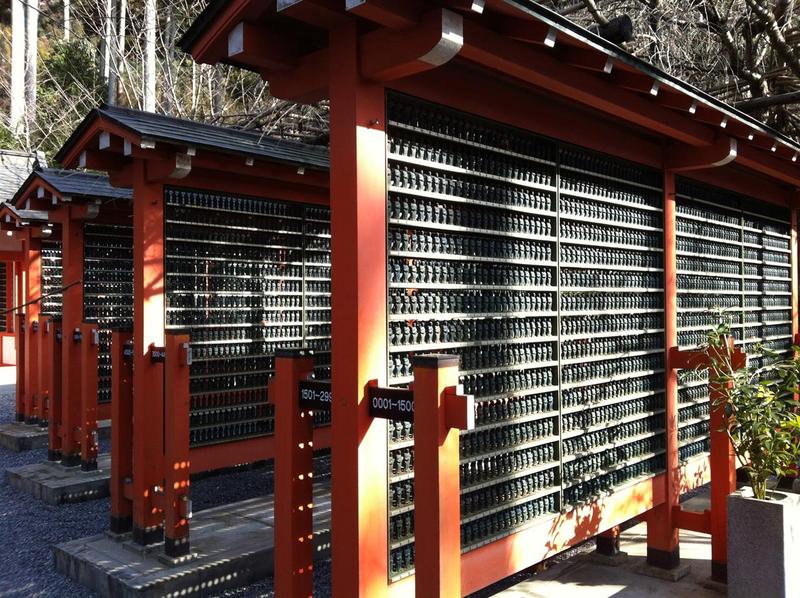
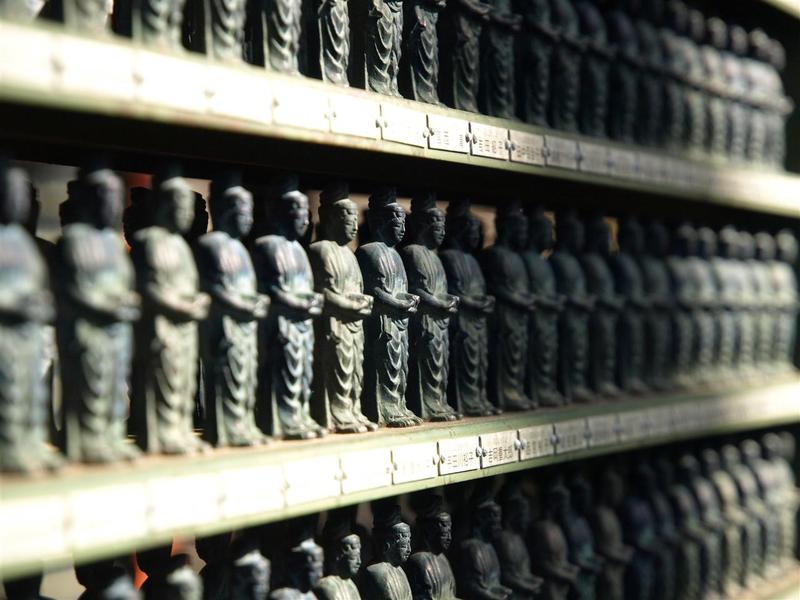
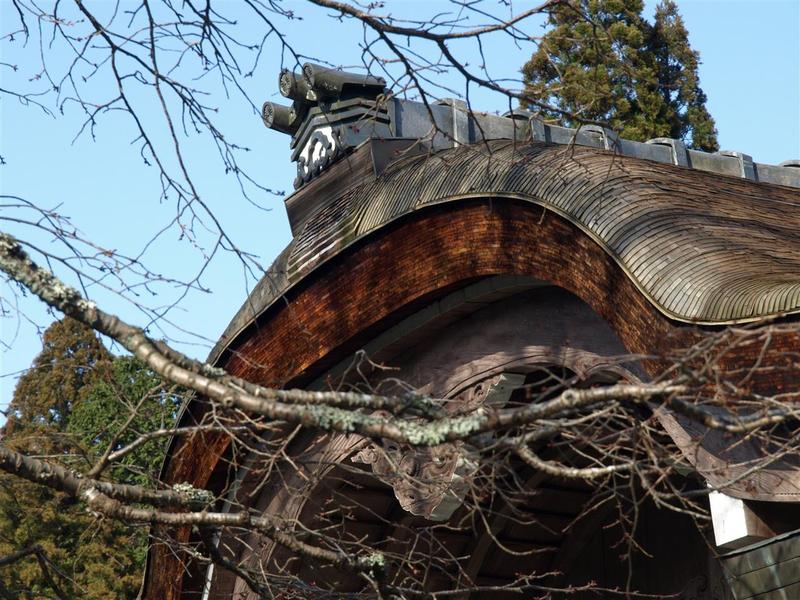

Next to the Kannon Hall, I noticed something covered with a net, so I went over to take a closer look. To my surprise, it was an overwhelming number of small Kannon statues. The statues were numbered, and there seemed to be tens of thousands of them.
Nearby, there is the Doi Shibazuke Honpo shop, and I had planned to stop by there by bus. However, there was a shop right in front of Sanzen-in, so I decided to pick up a few souvenirs. The senmaizuke (thinly sliced pickled radish) was incredibly delicious, but unfortunately, I couldn’t buy it chilled to take home.
Gion Man Enraku
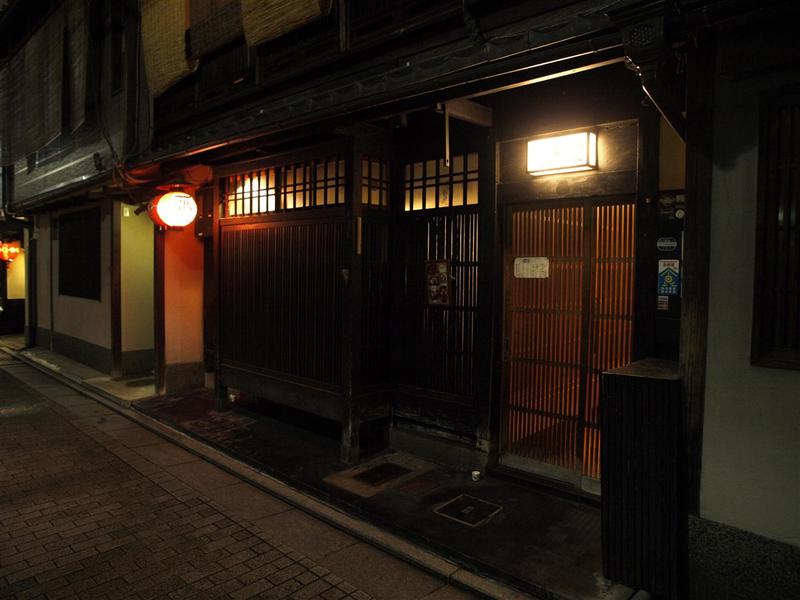
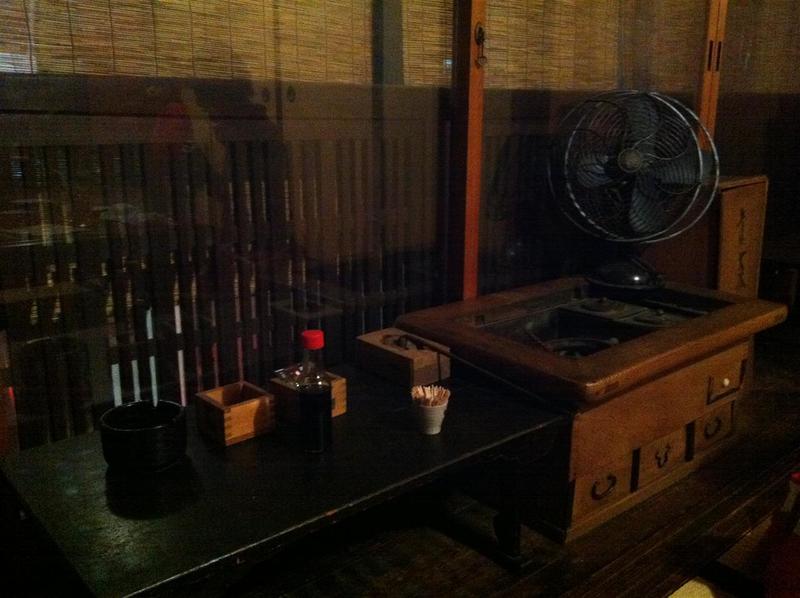


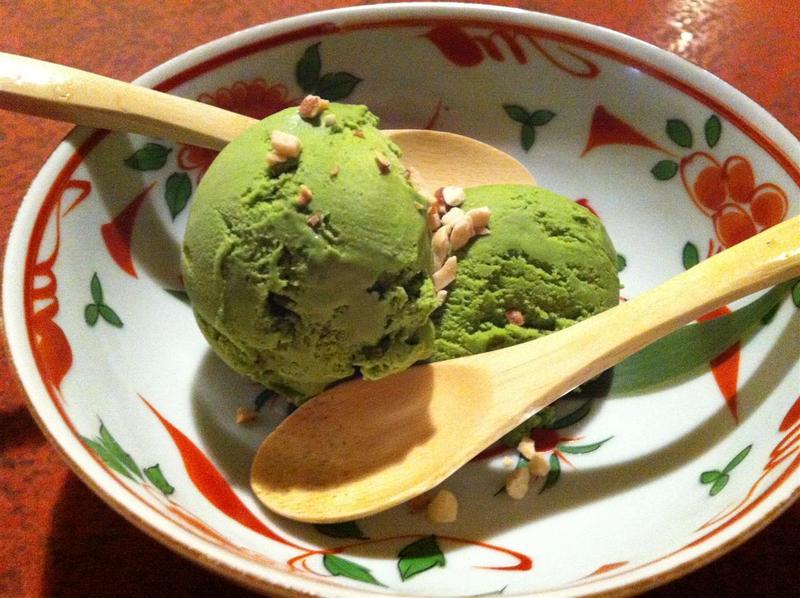
On this day, I was going to have dinner with Y-san and their family, whom I work with. We had talked about going to a place that felt typical of Kyoto, but when we arrived in front of the restaurant in Gion, I was surprised as it seemed like the kind of place with a high threshold. Just as I stepped into the entrance, Y-san joined us and reassured me, saying, “It’s actually not that kind of place!” which made me feel a little better ;). The menu was a sort of creative Kyoto-style izakaya, and thanks to the private room that was reserved for us, we were able to enjoy a fun, lively time with the children in a tatami room. It was the kind of place we would never have found and entered on our own, so we were very satisfied.
Riding on Ran-den
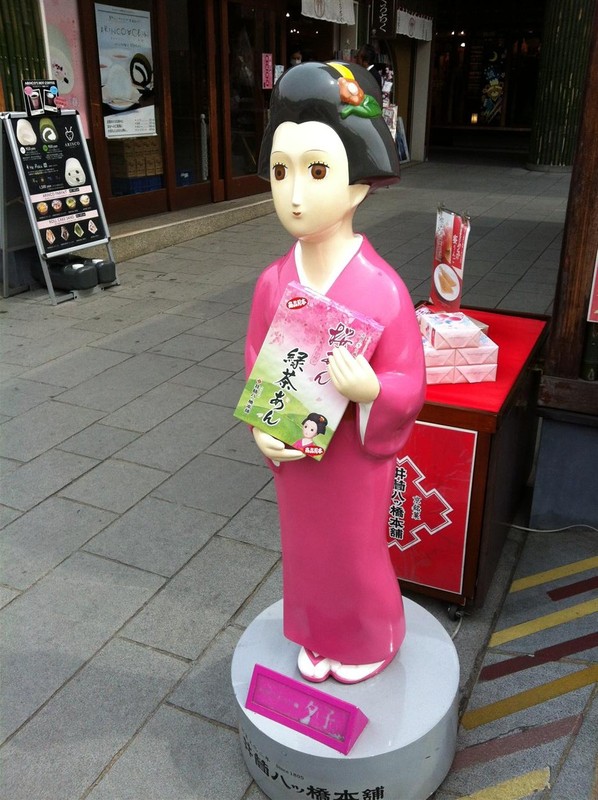

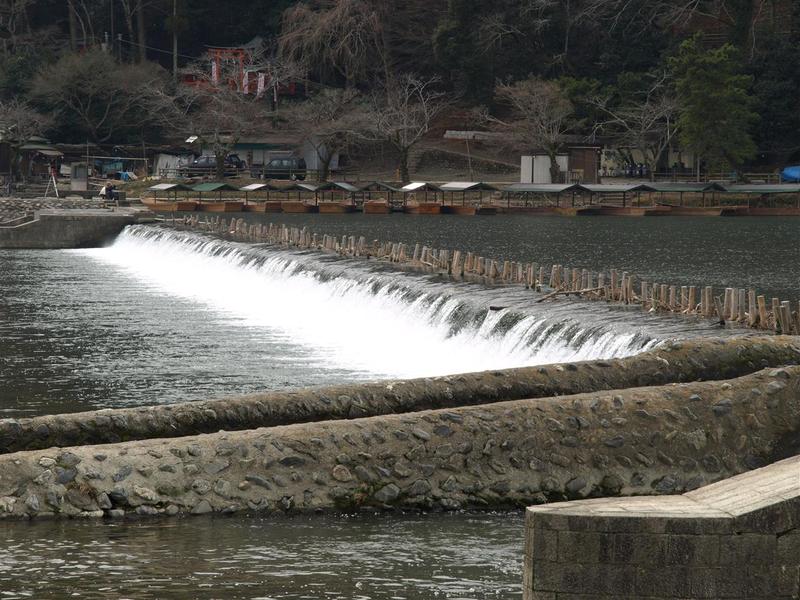
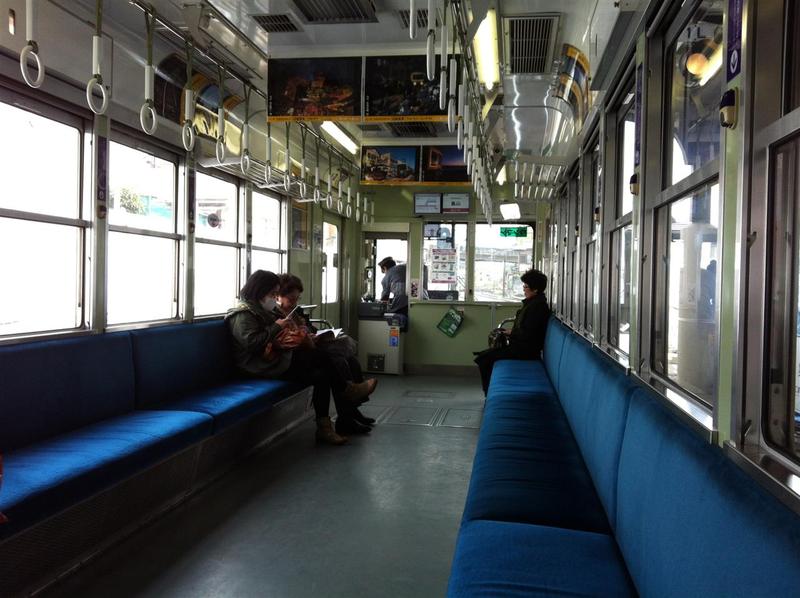
The next day, we decided to take a leisurely stroll by riding the Ran-den (Arashiyama train). Our first stop was Arashiyama. We passed through the main street where the somewhat eerie “Yūko” figure of yatsuhashi can be seen, and made our way to the Togetsukyo Bridge. However, it wasn’t really the kind of place where a family like ours could fully enjoy, so we quickly hopped on the Ran-den again and headed to our next destination. The long seats on the Ran-den gave me a very nostalgic feeling.
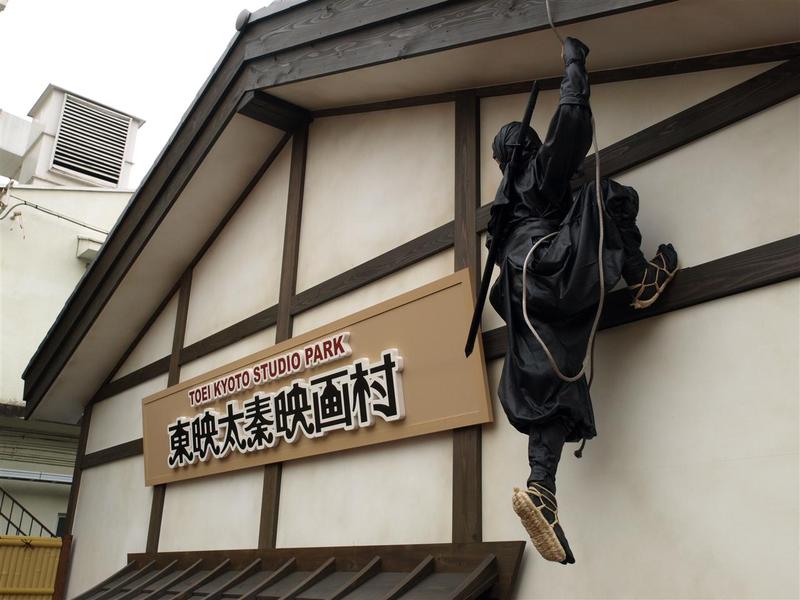
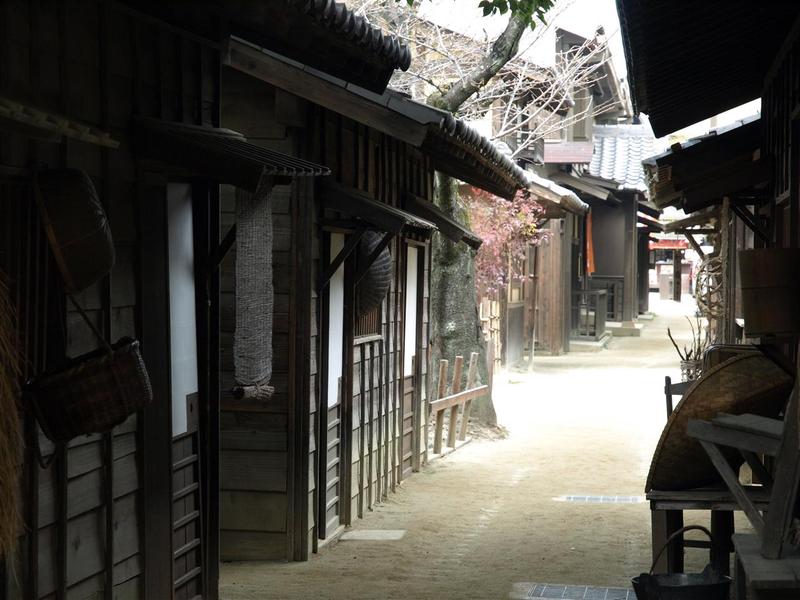
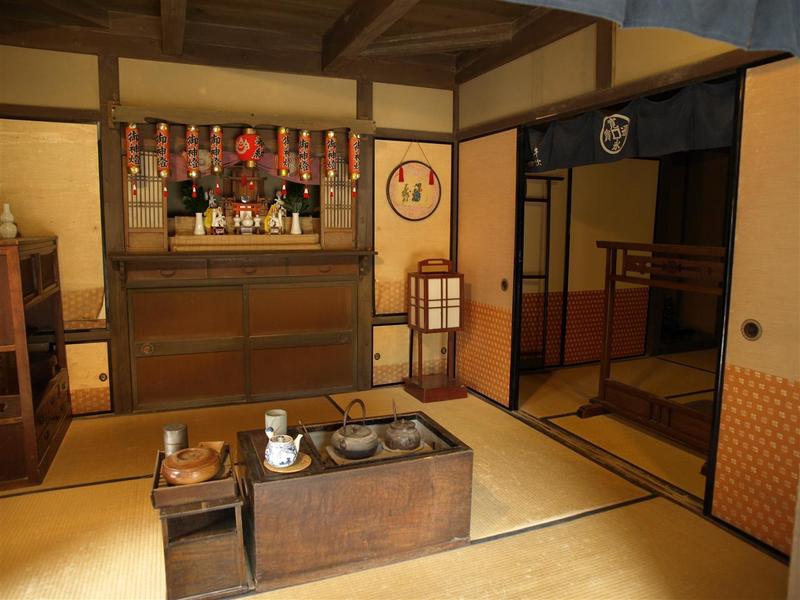
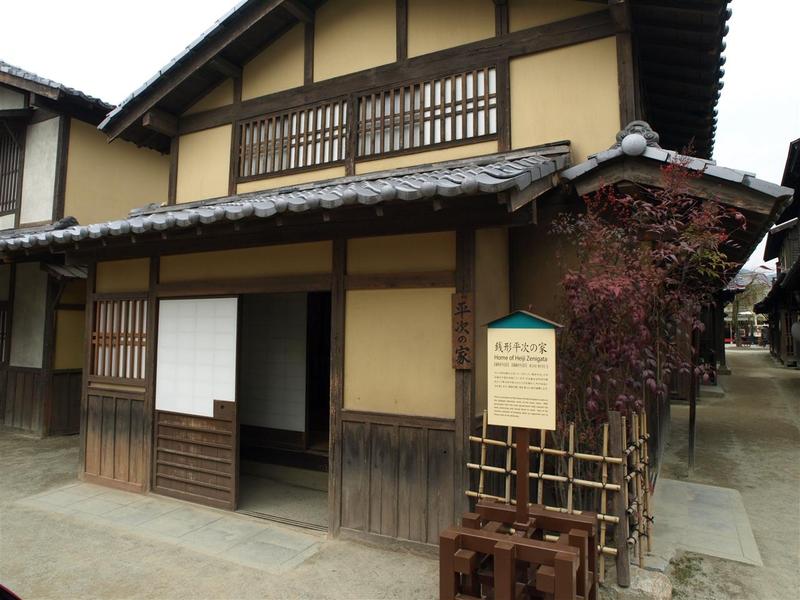
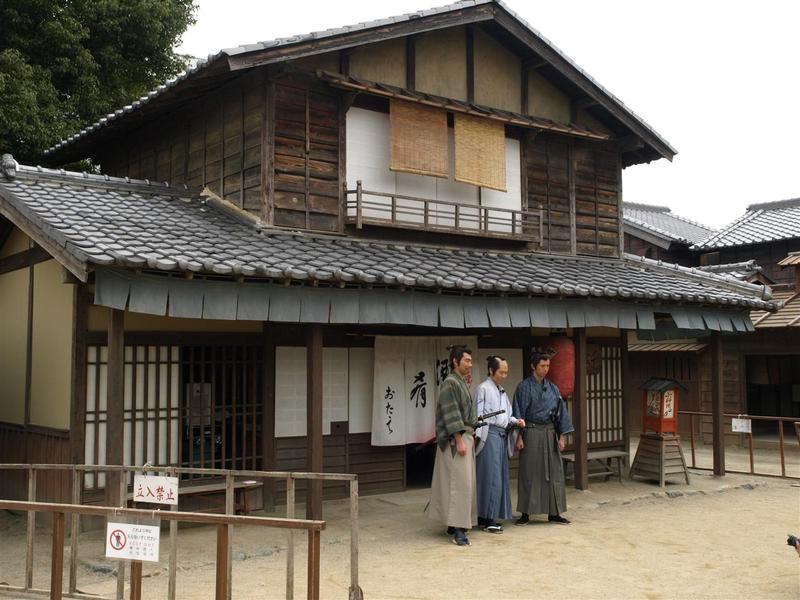
Our next stop was the Toei Kyoto Studio Park in Uzumasa. We came here thinking it would be fun for our kid, especially with their expectation of seeing the Super Sentai characters. However, the meticulously recreated Edo-period townscape was so impressive that I found myself stopping at various places to check things out, much to the kids’ annoyance!
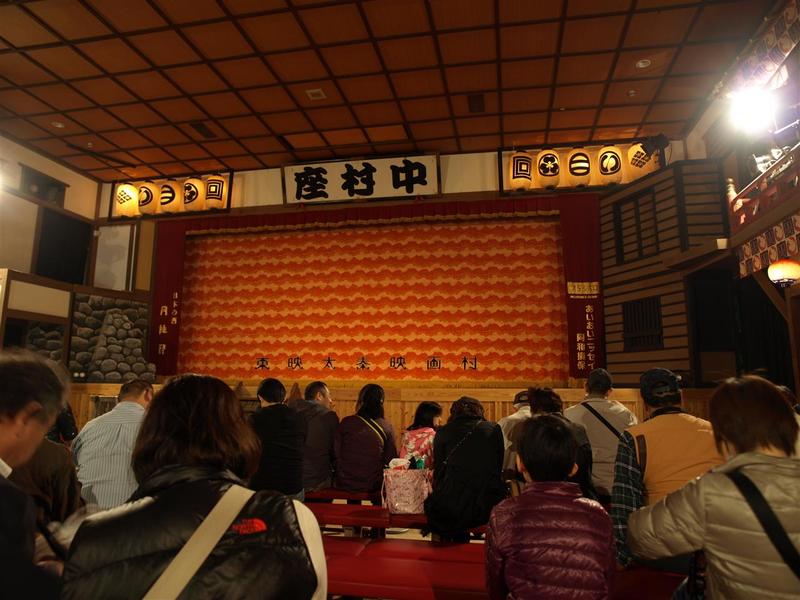
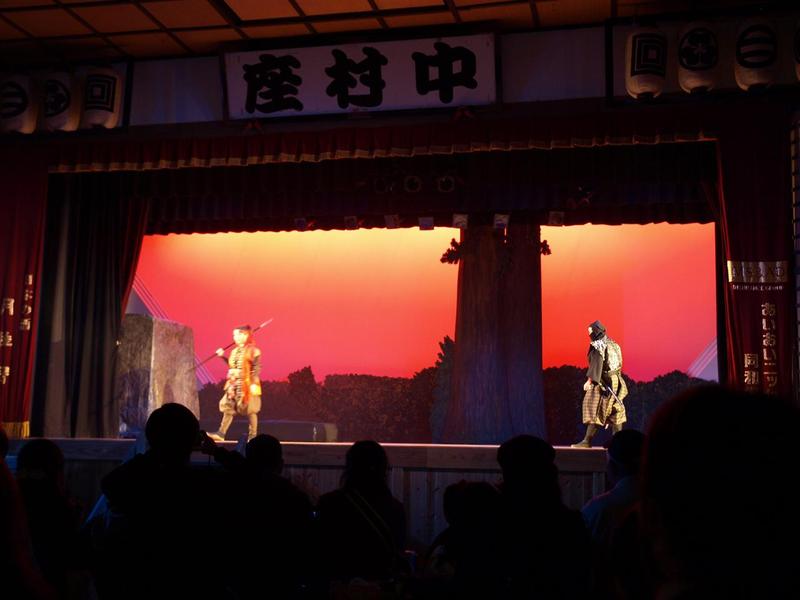


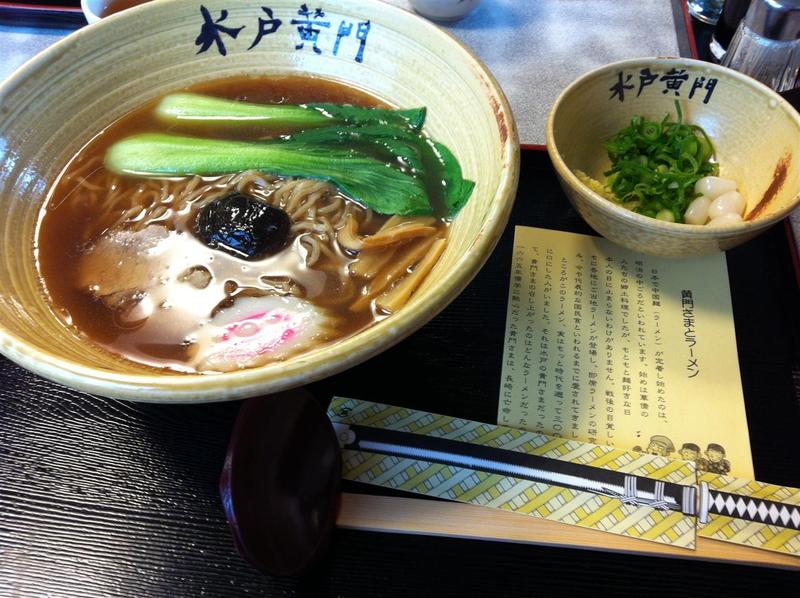
Unfortunately, the Super Sentai show was only held on weekends, so we missed it, but we did get to enjoy the ninja show, which was a lot of fun for both our kid and us. As it’s a movie studio park, there were places with dinosaur-like creatures, and there was also an area where the history of Super Sentai heroes came together, so there was never a dull moment for our kid. We didn’t expect much, but the “Mito Komon Ramen” we had was surprisingly delicious, with various seasonings giving it great flavor. The chopsticks were placed in a holder shaped like a sword sheath, and our kid had fun playing by sticking them in the back, making it an enjoyable experience no matter where we went.
Ninna-ji Temple
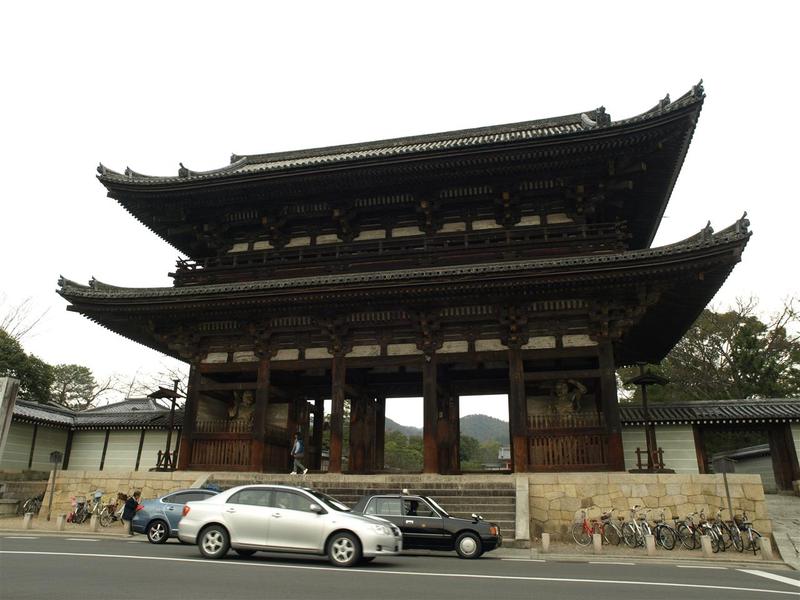
When it comes to Ninna-ji Temple, I only had the impression of the inept monk mentioned in Tsurezuregusa. That was about all I knew, but I recognized the name, and since I knew it was along the Arashiyama train line, I decided to stop by.
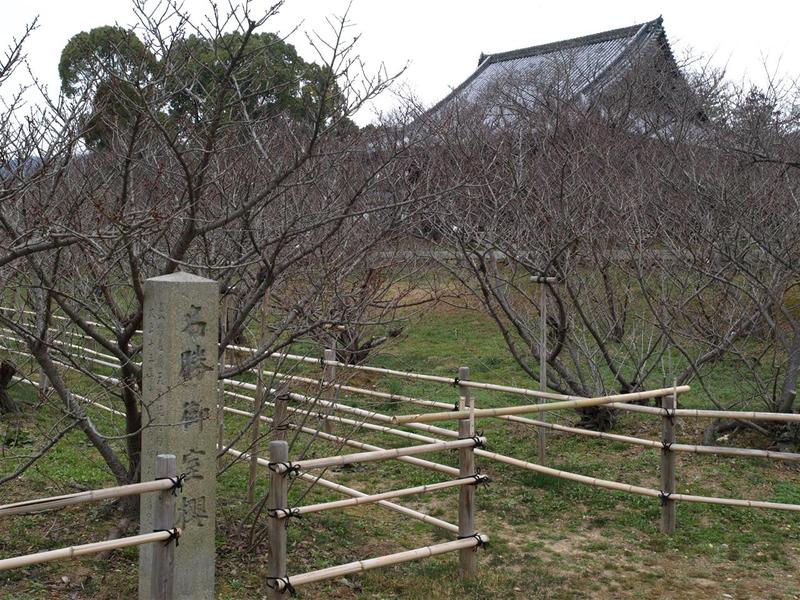
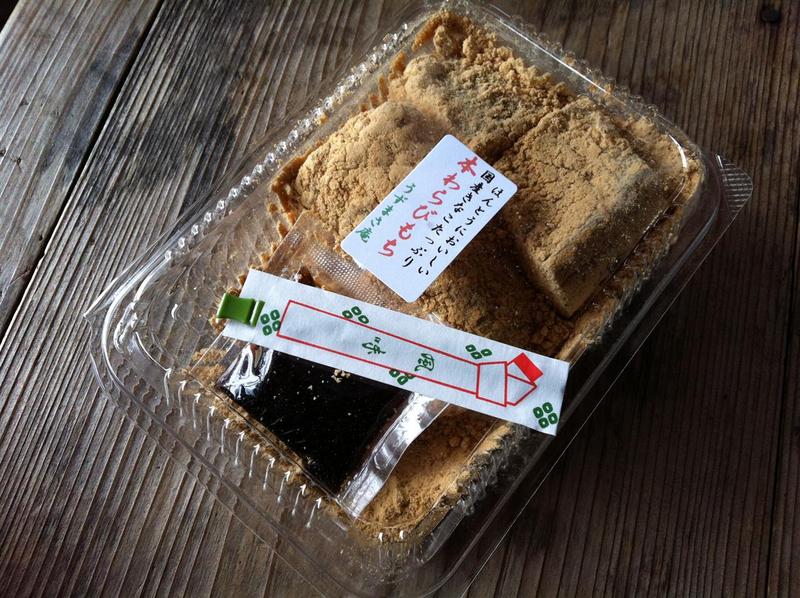
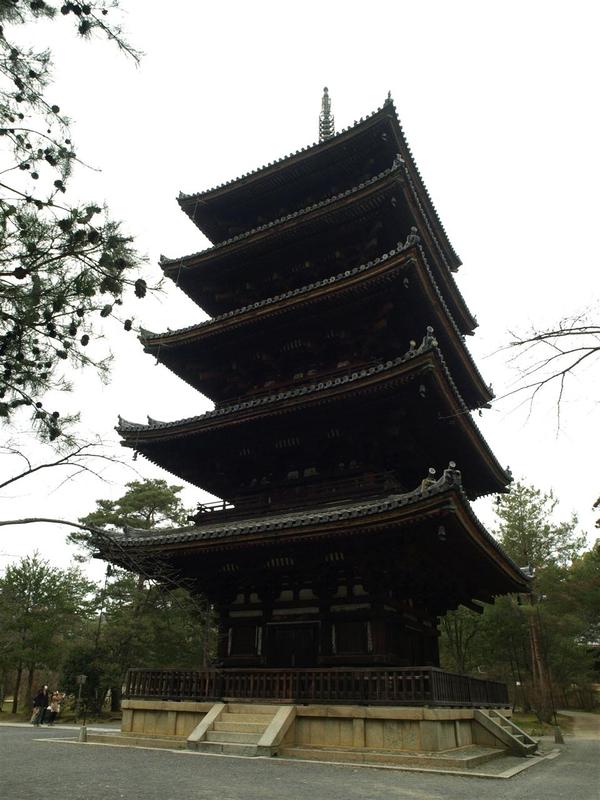
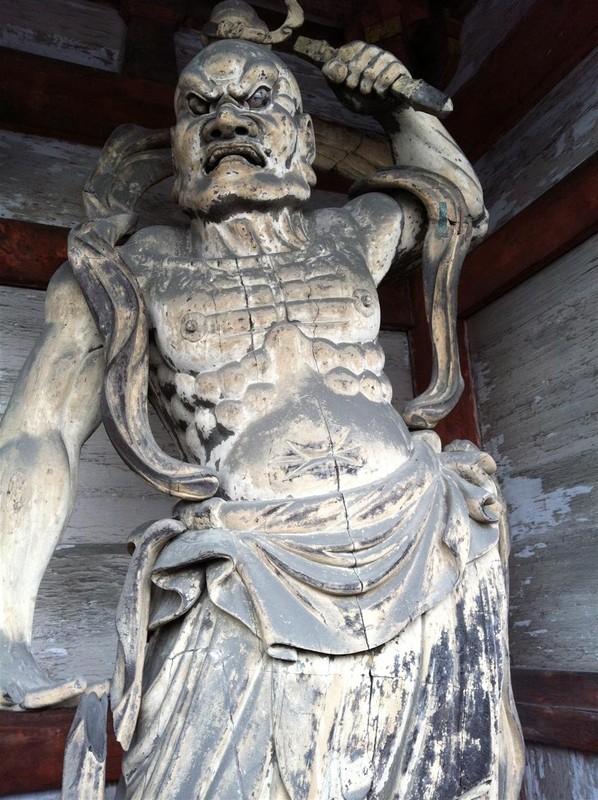
What I found interesting first was the Omuro Sakura. The cherry trees are low in height and densely packed, and although they weren’t blooming yet, I can imagine that the cherry blossom season must be stunning. The Five-story Pagoda and the impressive Nio statues at the Niomon Gate were also quite striking. That said, I was hungry, so I had a break with some warabi mochi I bought along the way. Kyoto’s wagashi (traditional sweets) are always wonderful.
It had been a while since I was in Kyoto, but it was nice to see new places I hadn’t visited before and also catch up with acquaintances and friends.