
A magnificent night view
Budapest is one of the places I have fond memories of, as we visited it on our honeymoon eight years ago. Back then, I remember staying on the Pest side, but this time, we chose a hotel on Buda’s Castle Hill. The view was truly spectacular, with a room overlooking the Danube River and the Parliament building on the opposite bank, beyond Fisherman’s Bastion. (The first photo was taken from inside the room.)


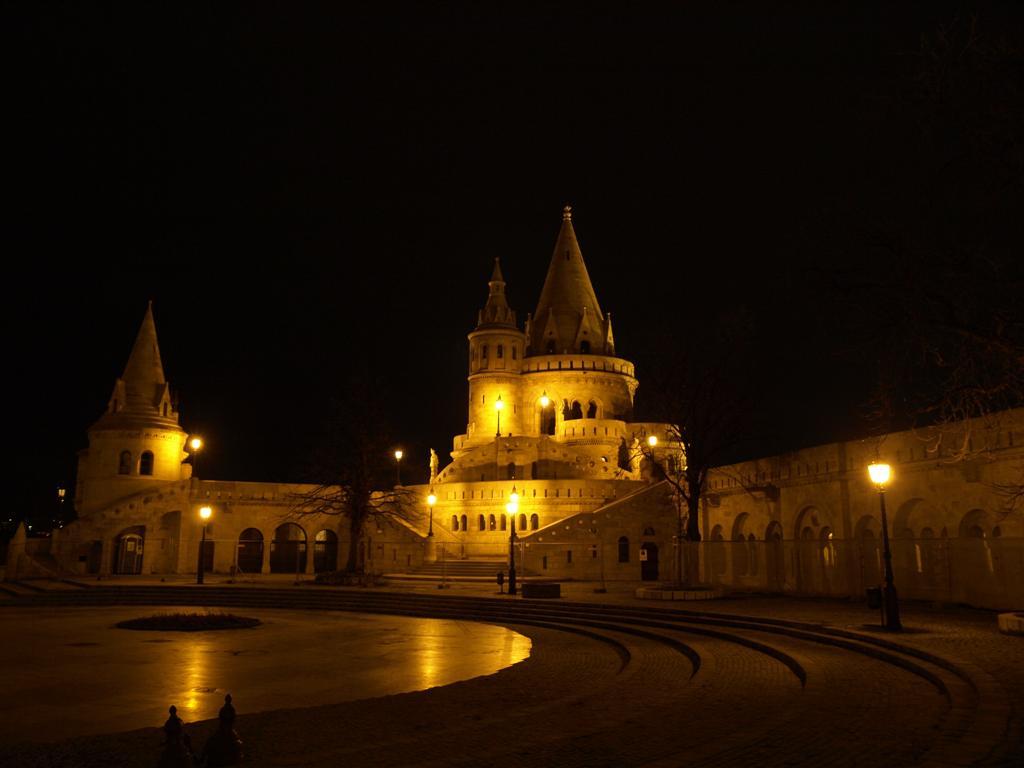

The night view was so breathtaking that we decided to go outside. Fisherman’s Bastion, the Parliament Building, Matthias Church, and the Chain Bridge were all beautifully illuminated, creating a stunning scene.


The round towers, shaped like charming pointed hats, are connected by arcades, and the view of the Danube River from between the columns of these arcades is truly exceptional. The name “Fisherman’s Bastion” comes from the tradition that the city’s fishermen’s guild was responsible for defending this part of the fortress.
Matthias Church, known for its colorful mosaic-patterned roof, was unfortunately under renovation, with its beautiful spire covered in scaffolding. The last photo is the view from our room the next morning—just gazing at this scenery was enough to keep me captivated.
From Castle Hill, crossing the Chain Bridge to the Pest side


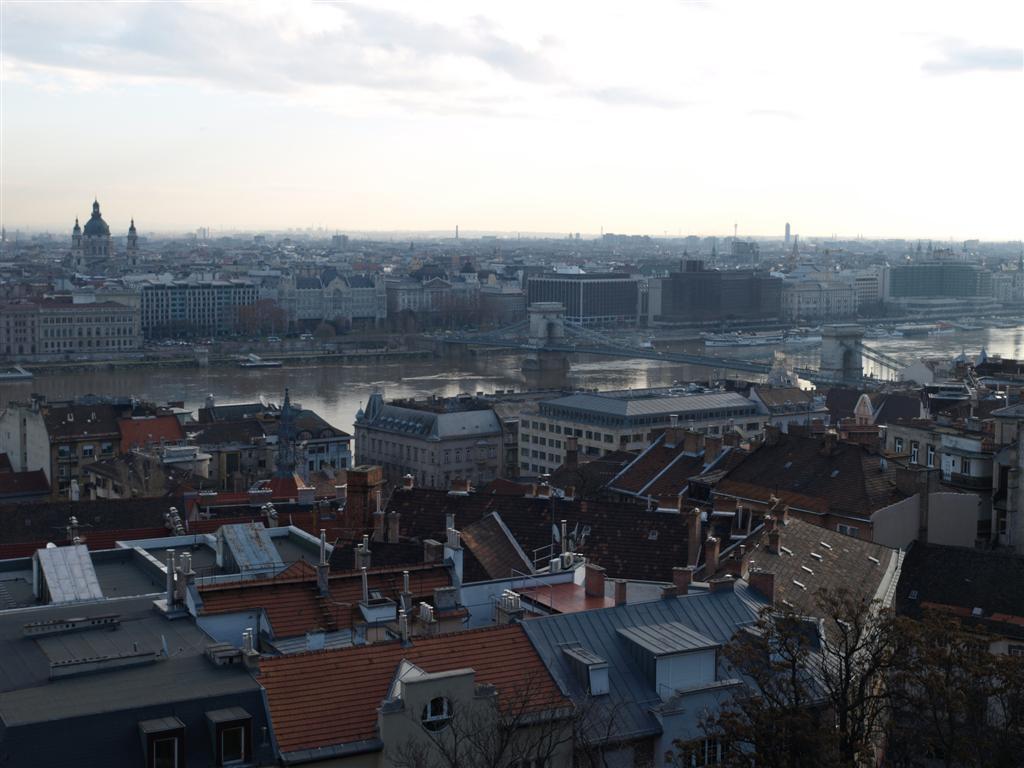
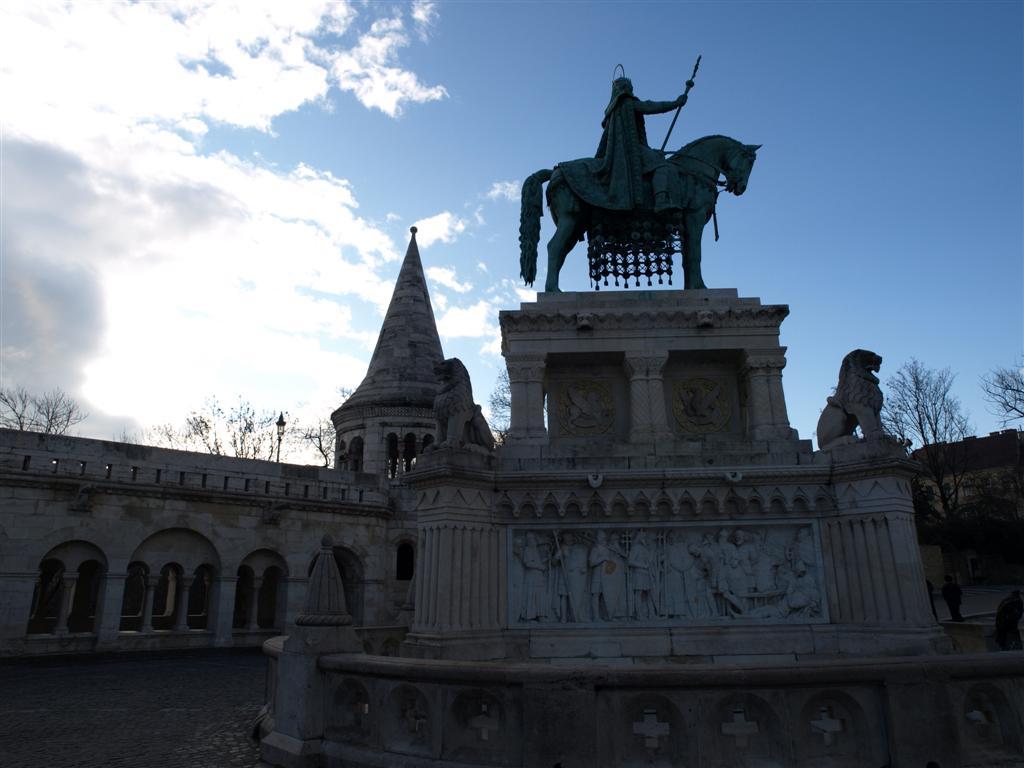
The hotel is uniquely designed to integrate the ruins of a 13th-century church, creating an interesting blend of modern architecture and ancient remnants within the same structure. From Castle Hill in Buda, we can see many bridges spanning the Danube River. Among them, the most famous is the Chain Bridge, which was the first to connect Buda and Pest. The houses in this area seem to have been preserved for centuries, with their colorful walls standing out beautifully against the blue sky.
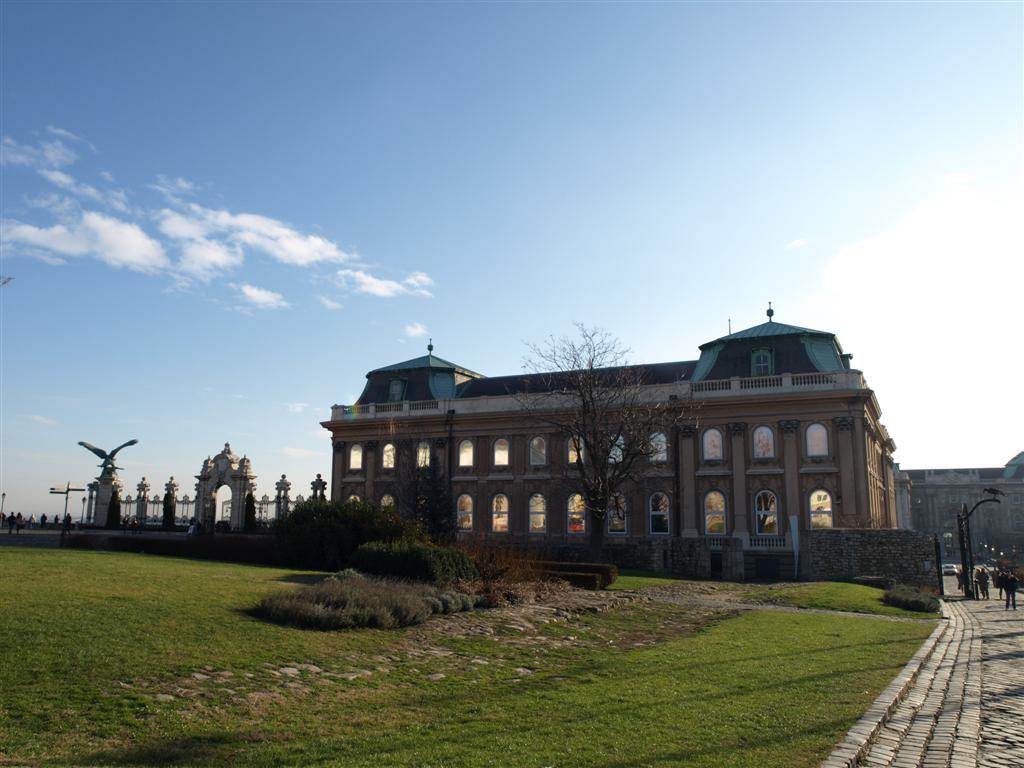


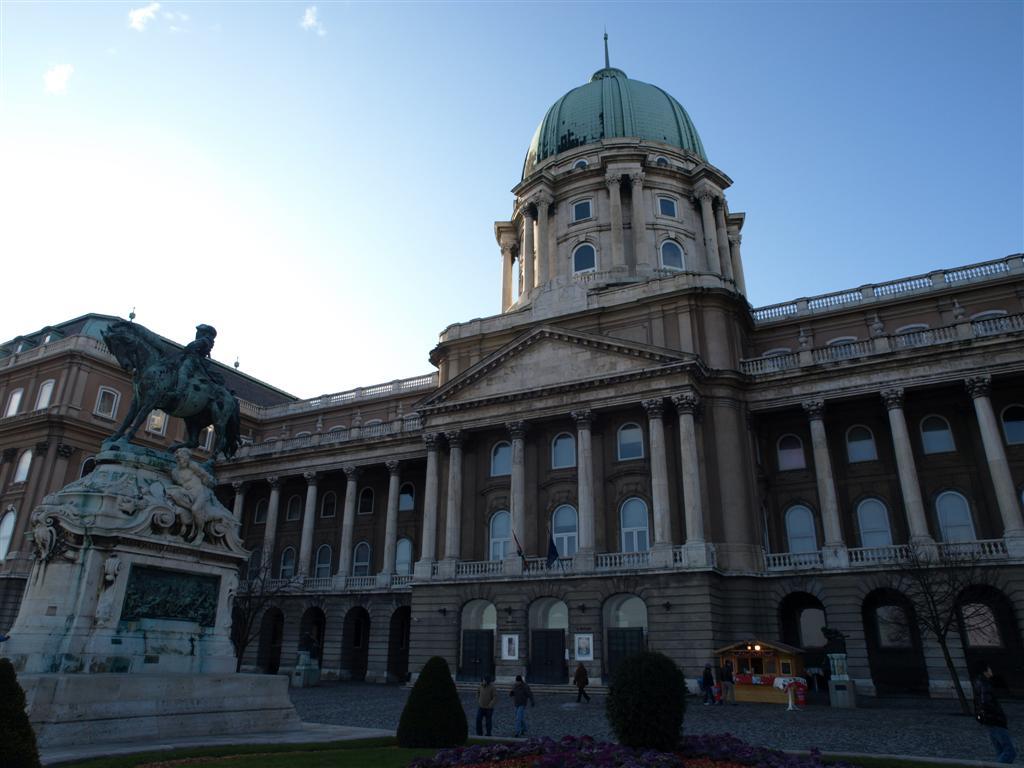
The Royal Palace occupies almost the entire southern half of Castle Hill. While the current palace was restored after World War II, its origins date back to the 13th century, making it a historically significant structure. Today, its interior houses a library, the National Gallery, and a history museum.
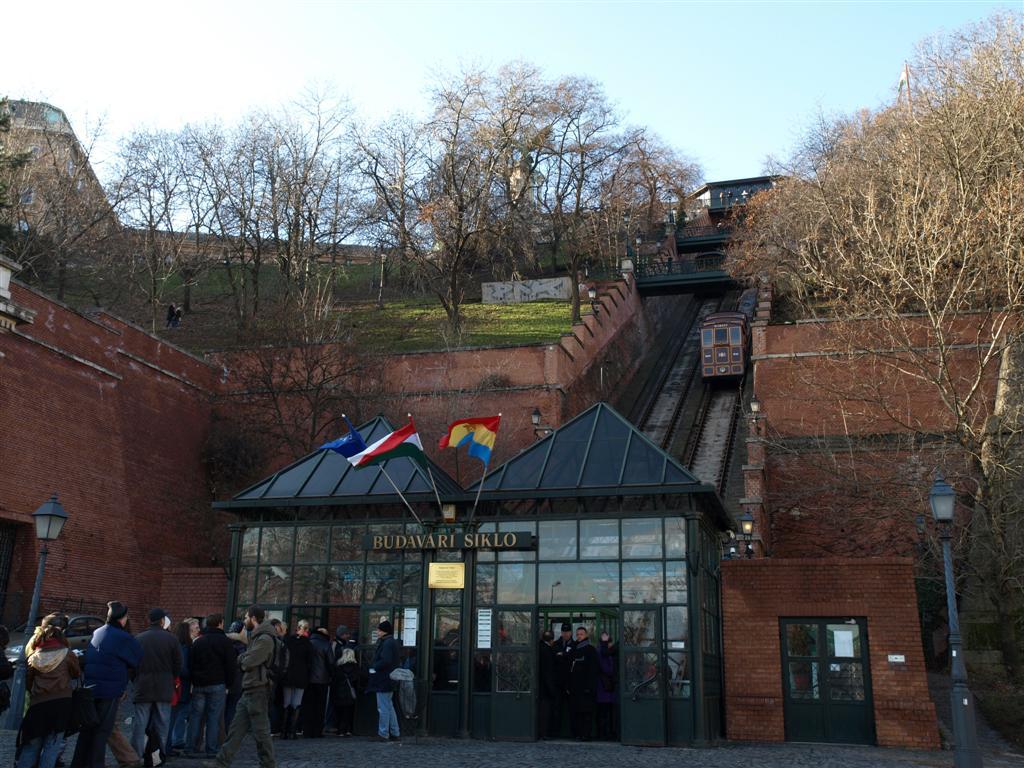
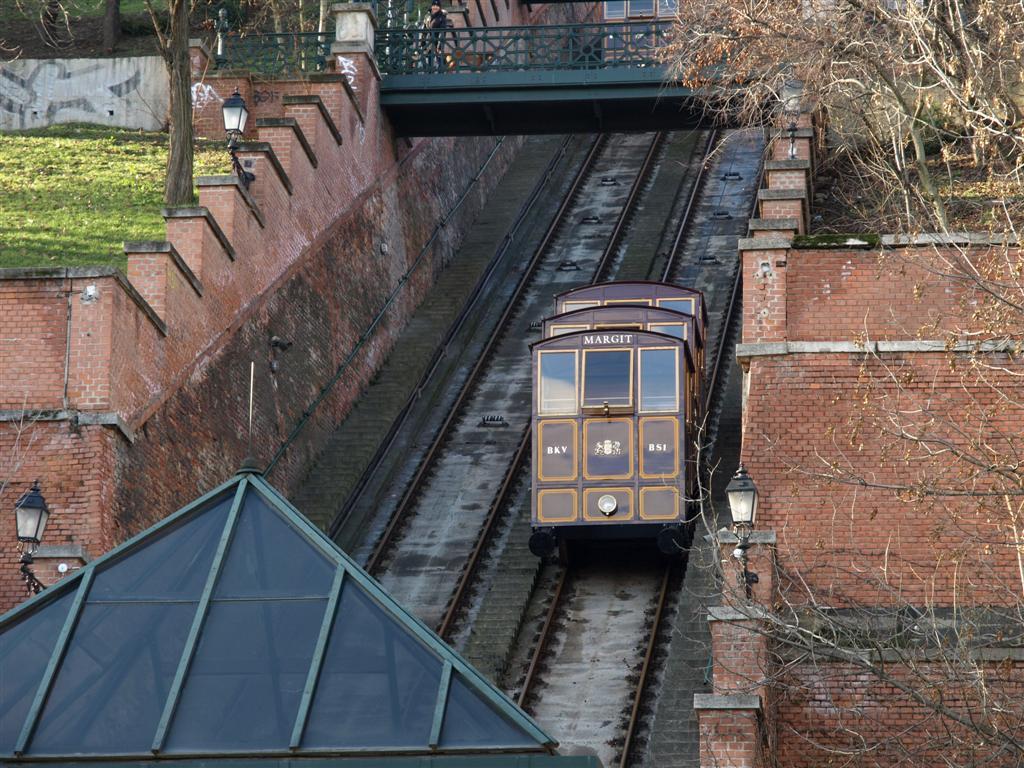
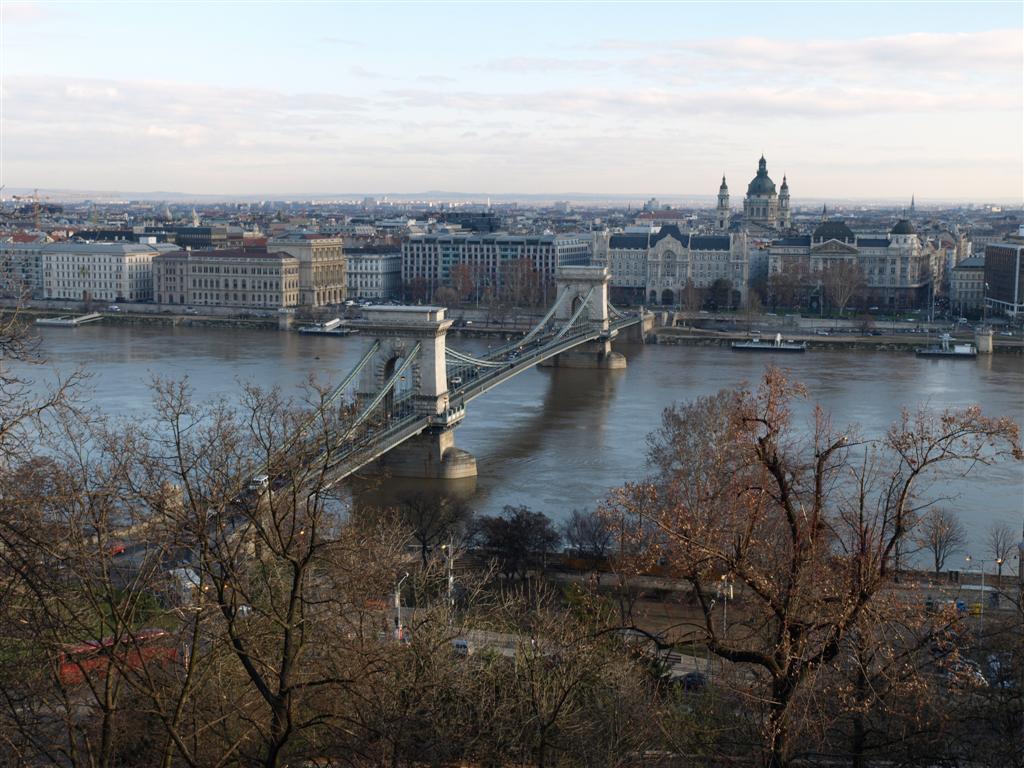
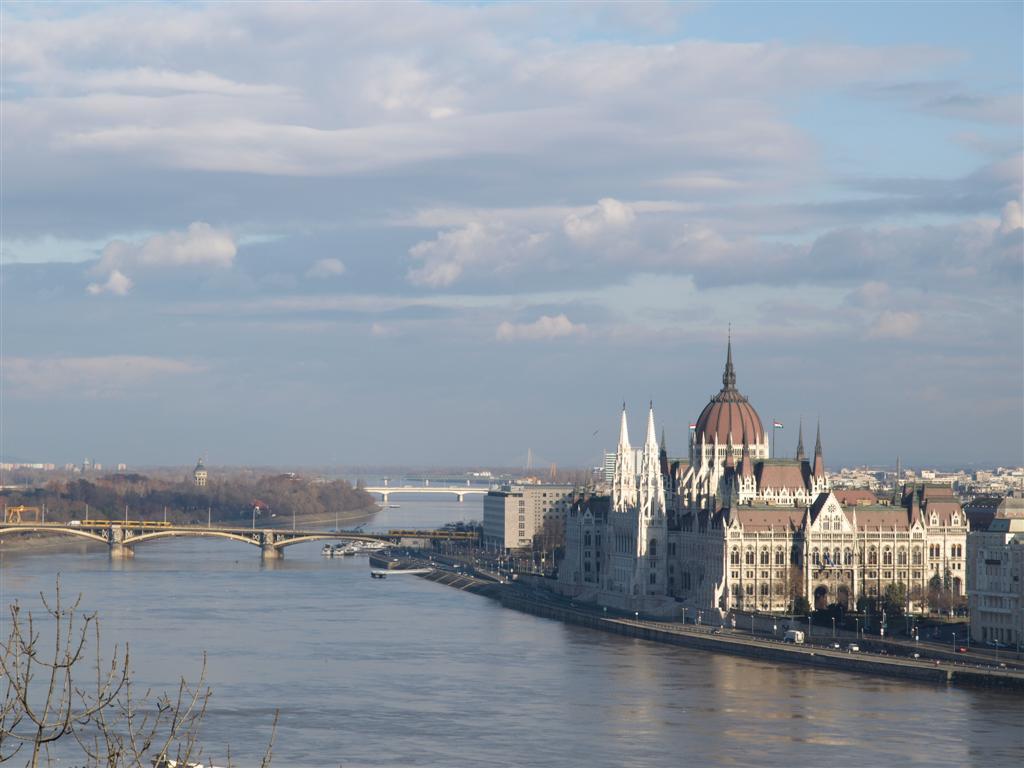

At the foot of the Chain Bridge, there’s a charming funicular that makes it easy to go up and down to the Royal Palace, along with the option of taking a bus. However, leisurely walking down while enjoying the view is also a great experience. In our case, we opted to walk down at a relaxed pace, despite struggling a bit with the stroller. This way, we could fully take in the beautiful view of the Chain Bridge and St. Stephen’s Basilica beyond it.
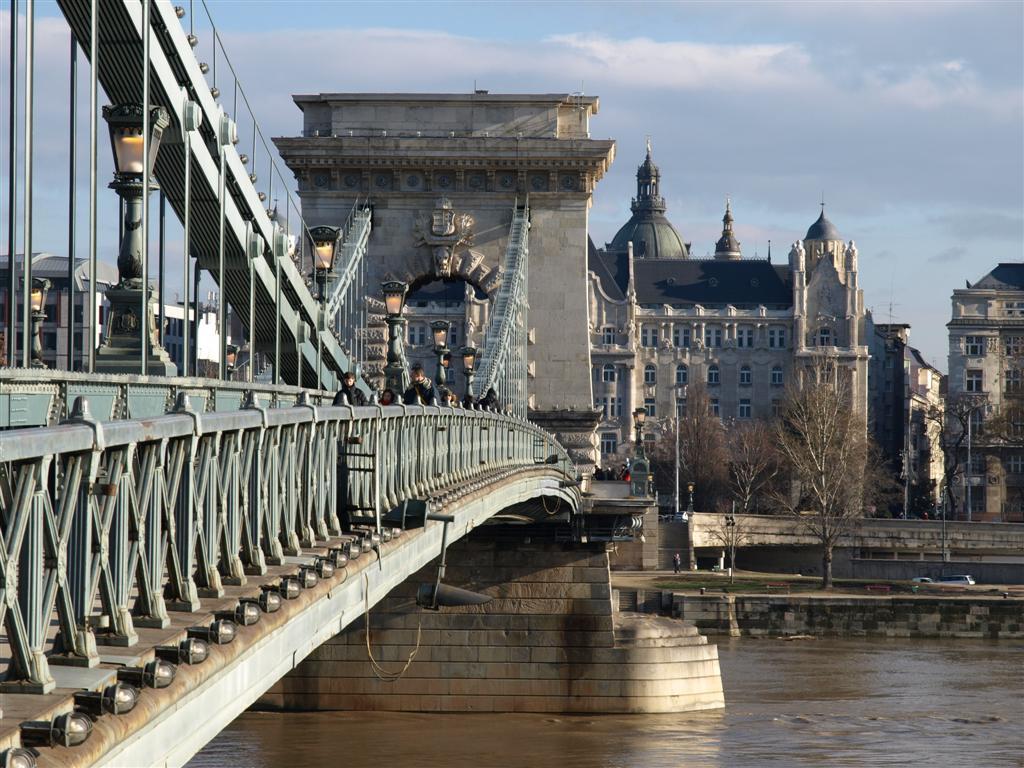
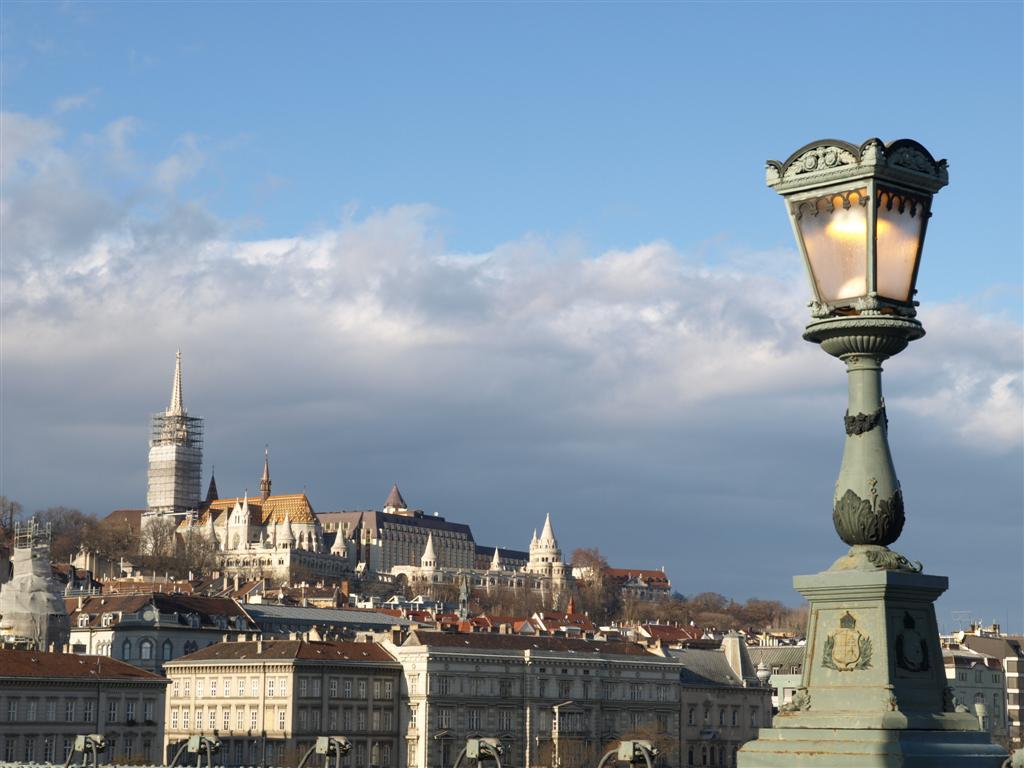
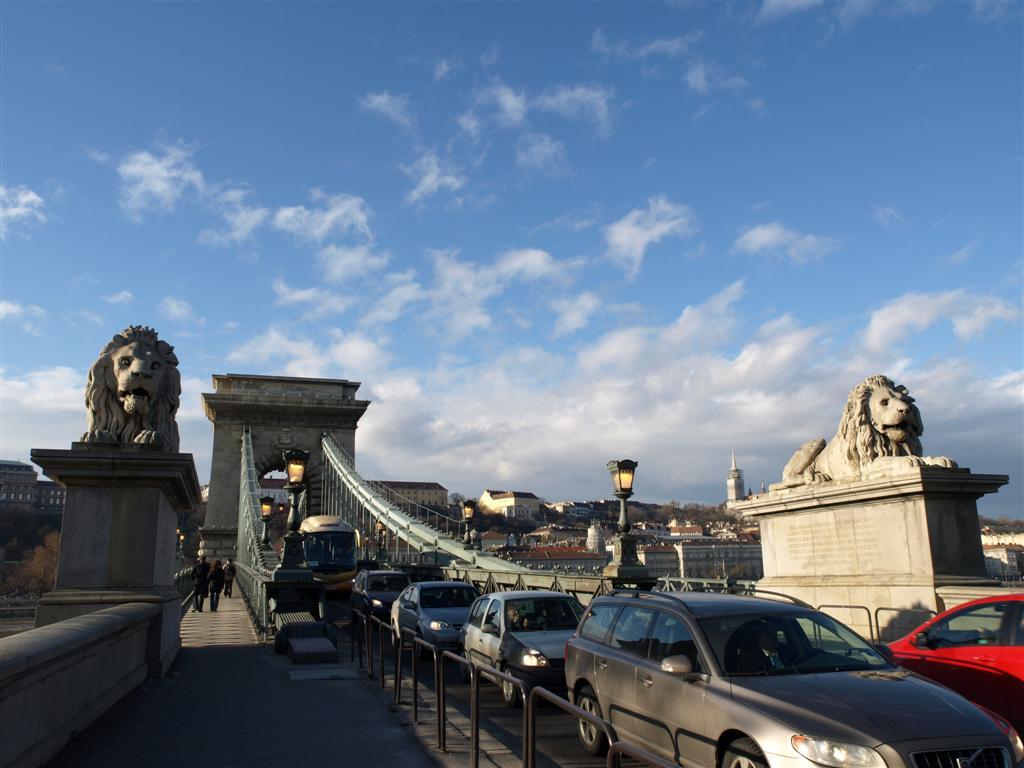
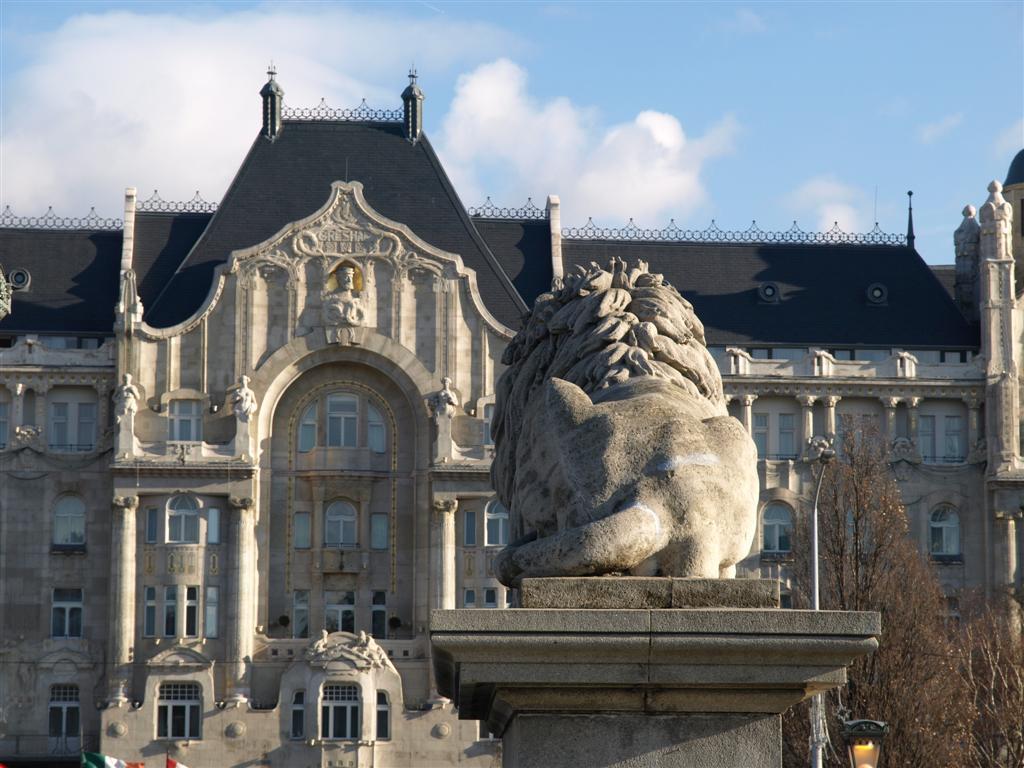
Up close, the Chain Bridge looks even more imposing and magnificent. Since the view from here is stunning on both the Buda and Pest sides, many people choose to walk across. At the foot of the bridge, there are lion statues, and I couldn’t resist taking a picture of one from behind—it looked unexpectedly cute. Beyond that stands the incredibly grand Four Seasons Hotel.
Exploring the Pest side
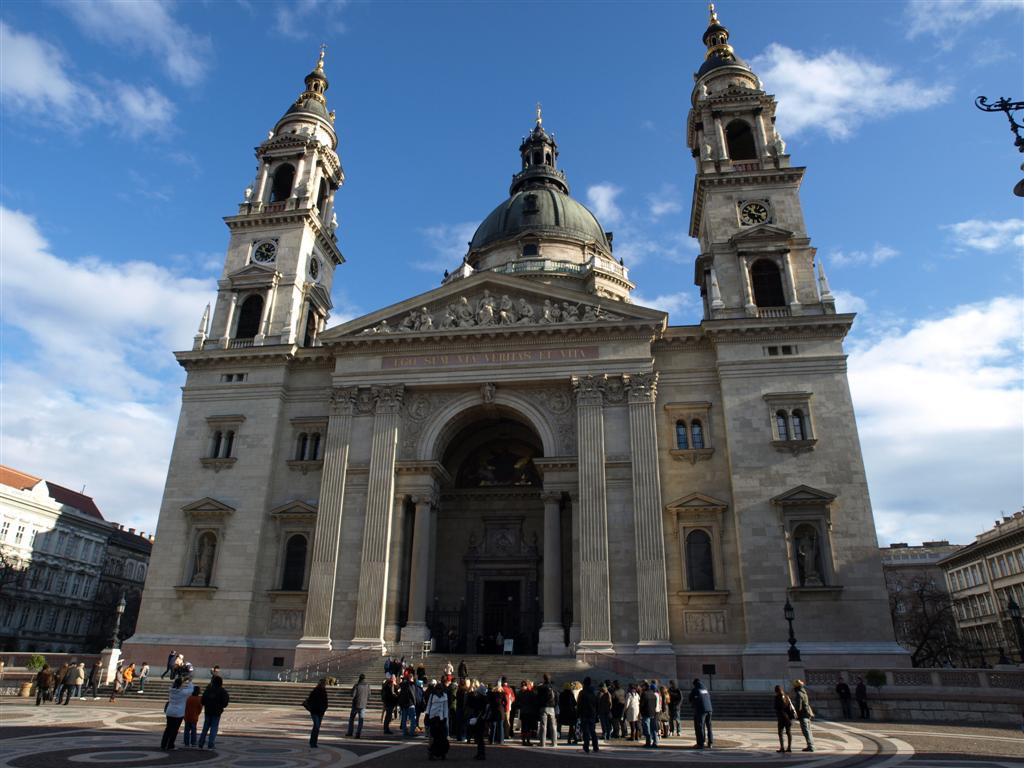
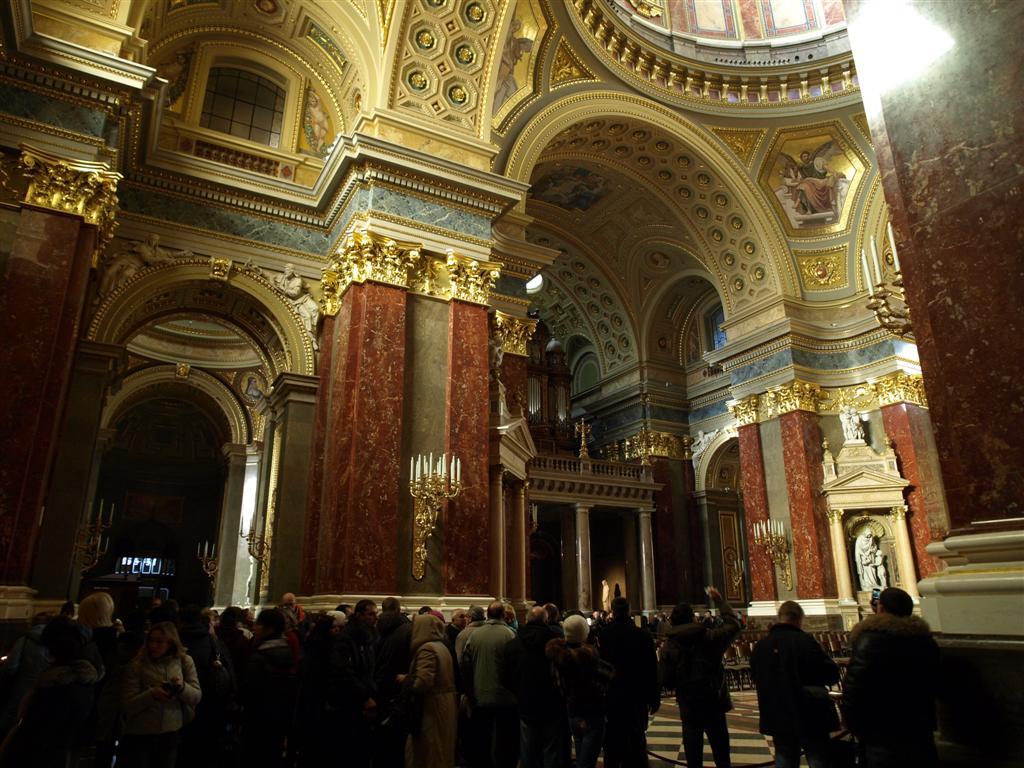
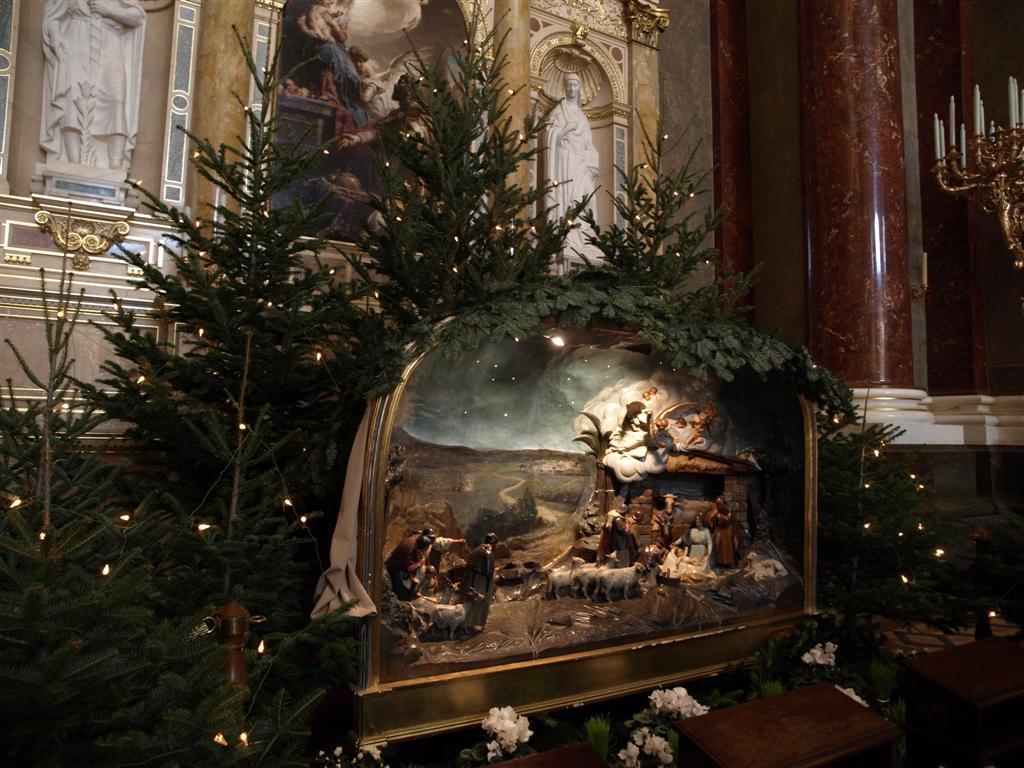


Compared to the hilly Buda side, the Pest side is flat and home to many hotels, shopping malls, and other modern amenities. The first place we headed to was St. Stephen’s Basilica, which can clearly be seen from the Royal Palace. When we stand in front of this church, we’re immediately struck by its immense size. No wonder, as the central dome reaches nearly 100 meters in height and has a diameter of over 20 meters. The interior is splendidly luxurious, but personally, I wasn’t too fond of the lavish atmosphere. Saint Stephen, the first King of Hungary, was a strong proponent of Christianity, and his right hand is enshrined in a small chapel as a sacred relic.
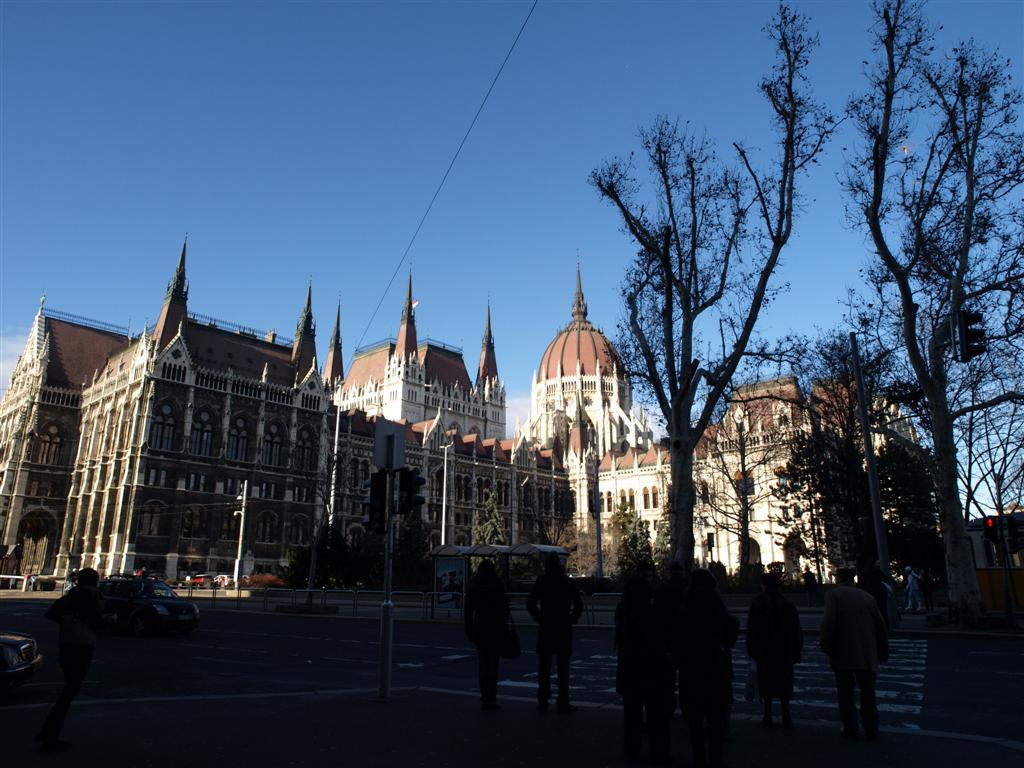
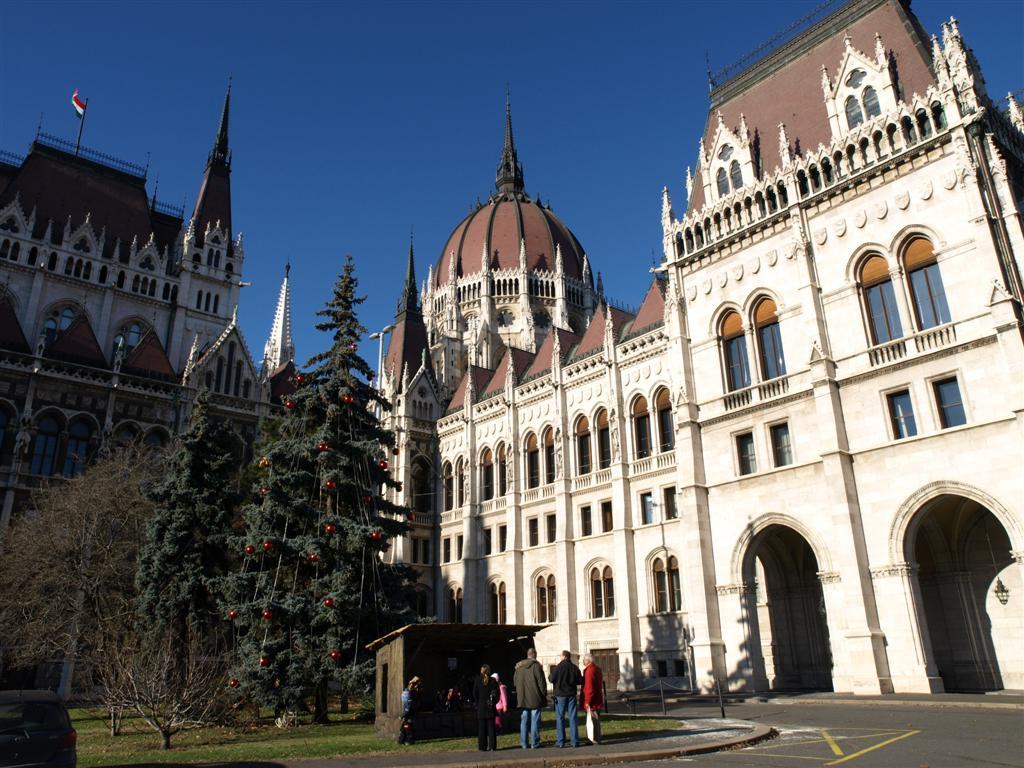
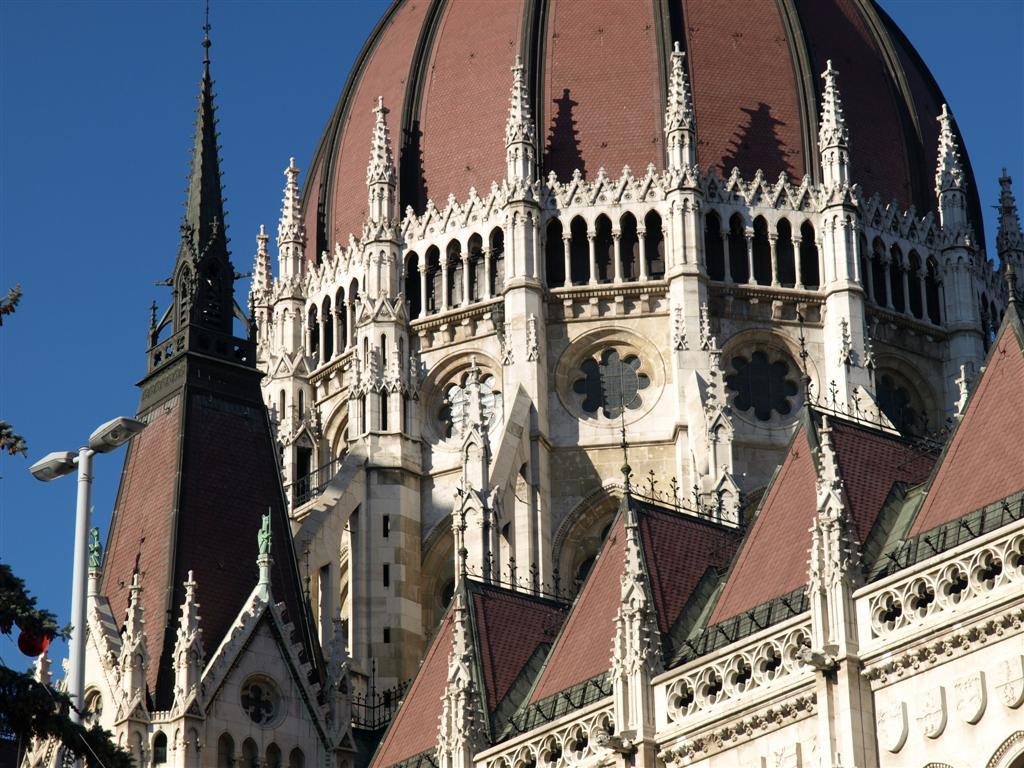
Another prominent structure on the Pest side is the Parliament Building. Construction began in 1885 and was completed in 1902, almost at the same time as the completion of St. Stephen’s Basilica in 1905. It’s likely no coincidence that both were built during the same period. In fact, the height of the central dome of the Parliament Building is exactly the same as that of St. Stephen’s Basilica, at 96 meters. The way the wings of the Parliament Building spread out from the dome reminded me of the Royal Palace on the opposite side, as the overall shapes seem quite similar.


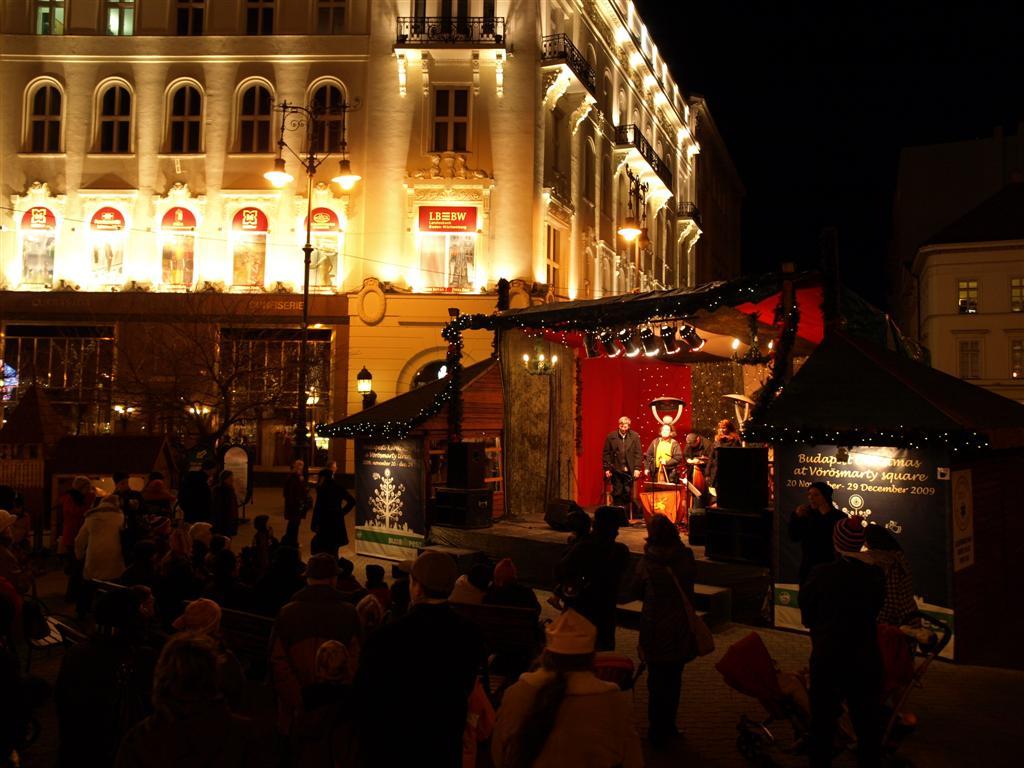
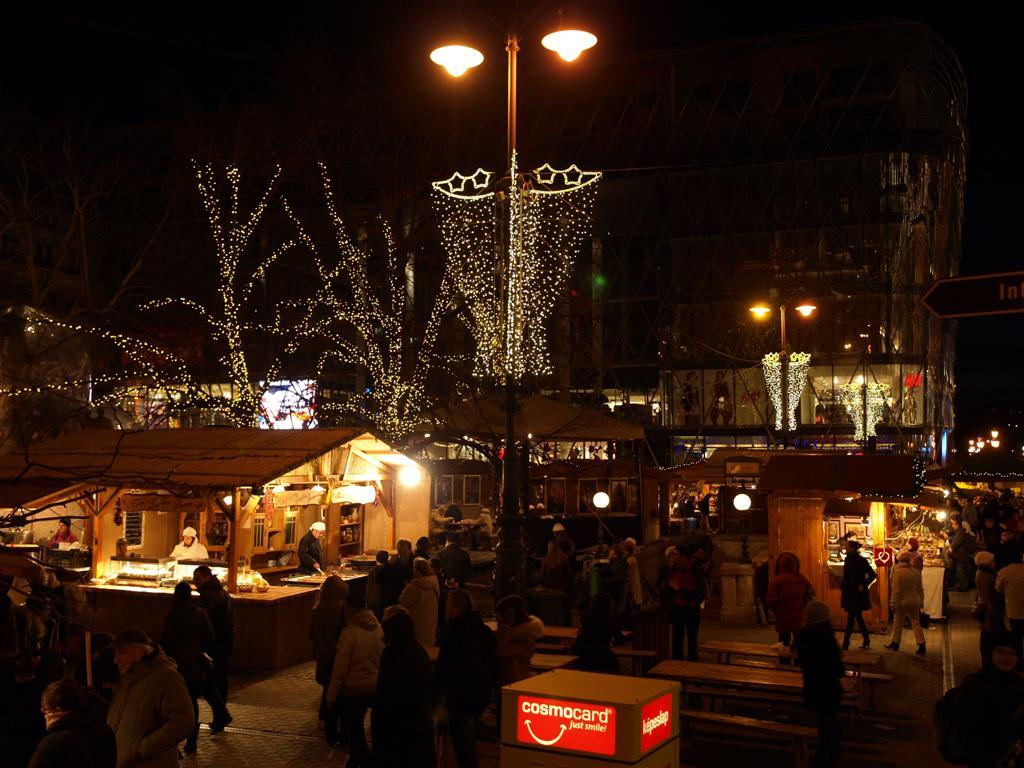
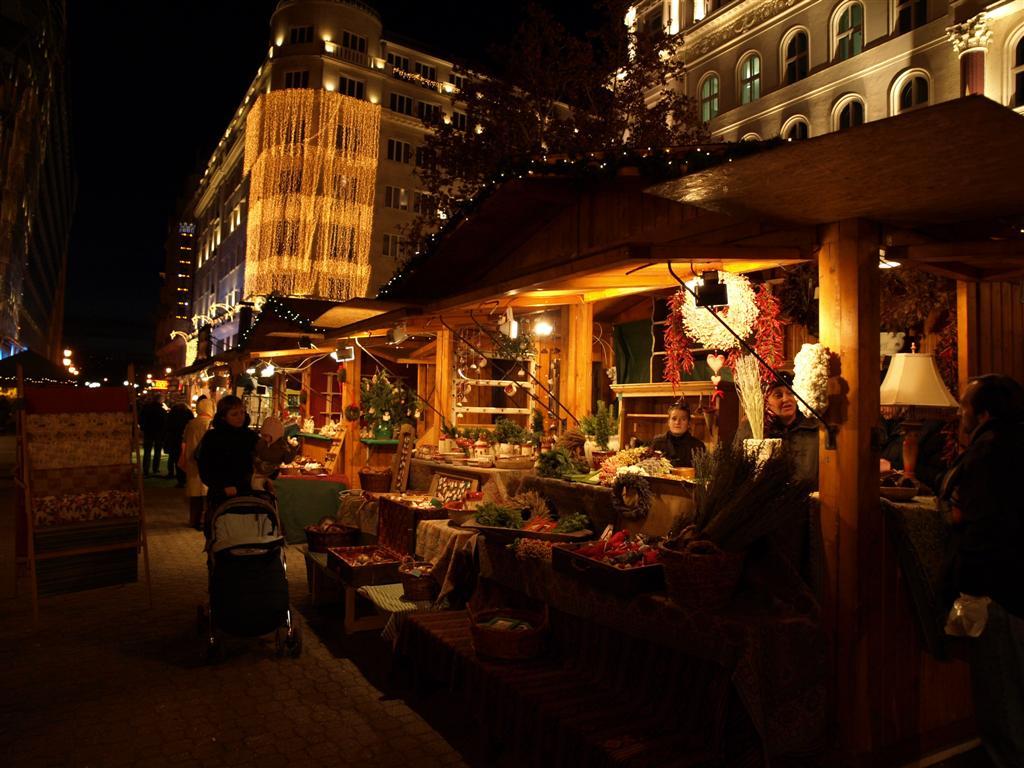
Although Christmas has already passed, some of the trams in Budapest were still beautifully lit up, giving off a “Christmas lights” vibe. Additionally, the Christmas market was still open in the main square of Váci Street, which was quite impressive. Compared to the one in Malmö, it was much larger in scale, and the atmosphere and the items being sold were a bit different, making it an interesting experience.
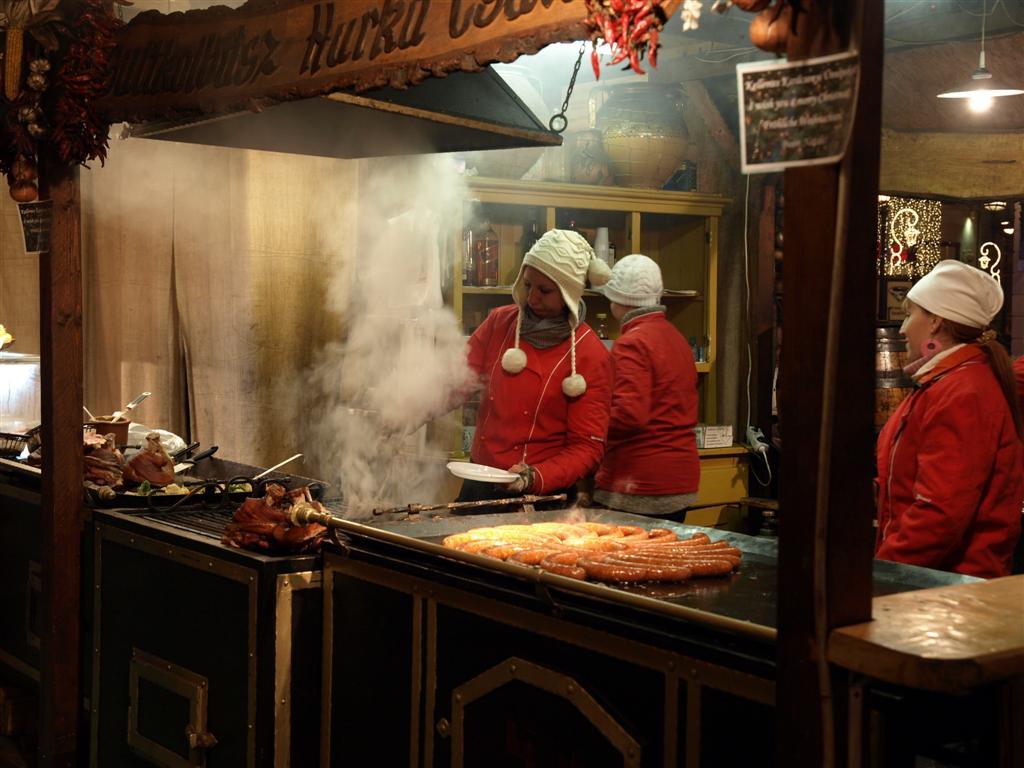

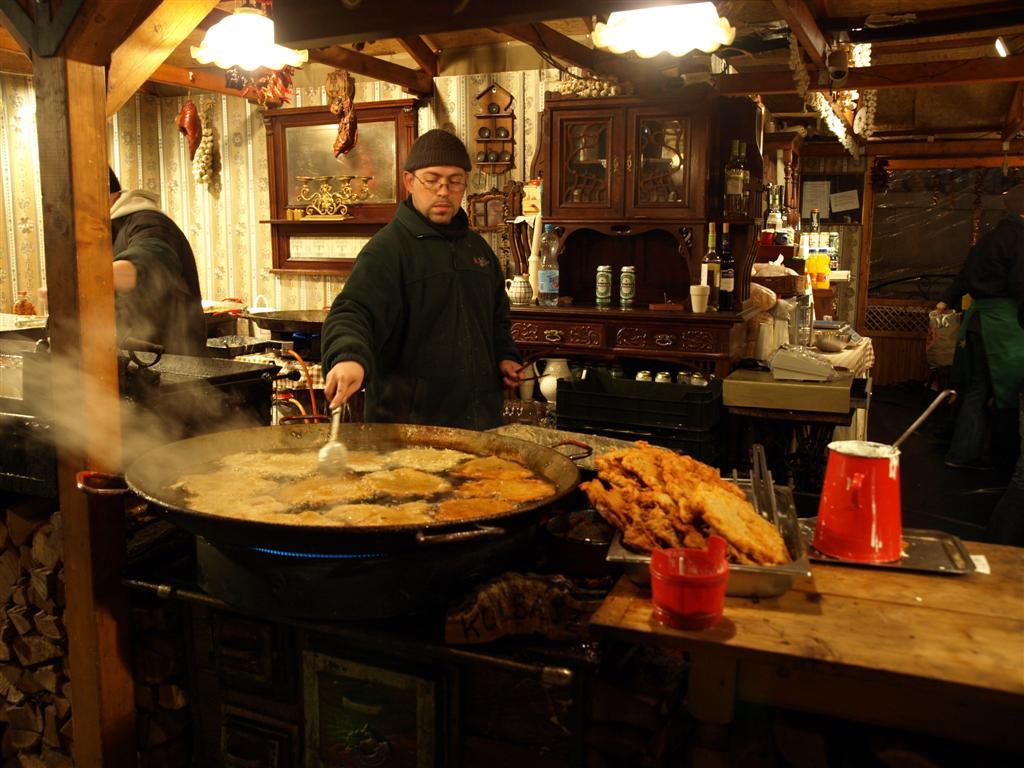
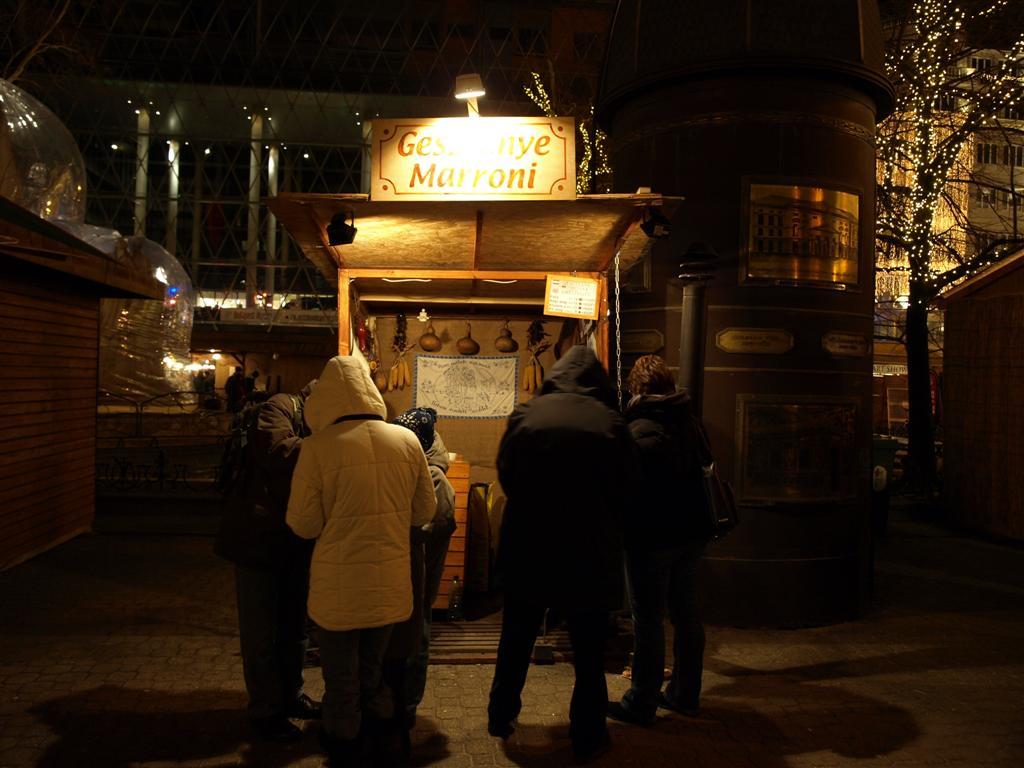
The main difference between the Christmas market in Budapest and the one in Malmö was definitely the food. One dish that caught my eye looked like braised pork, and there was also a thinly fried cutlet. We didn’t try them because we were already full, but they looked really delicious. Another food item that stood out was chestnuts. They were being sold with their hard shells split open, the so-called “laughing chestnuts,” and they seemed to be quite popular.
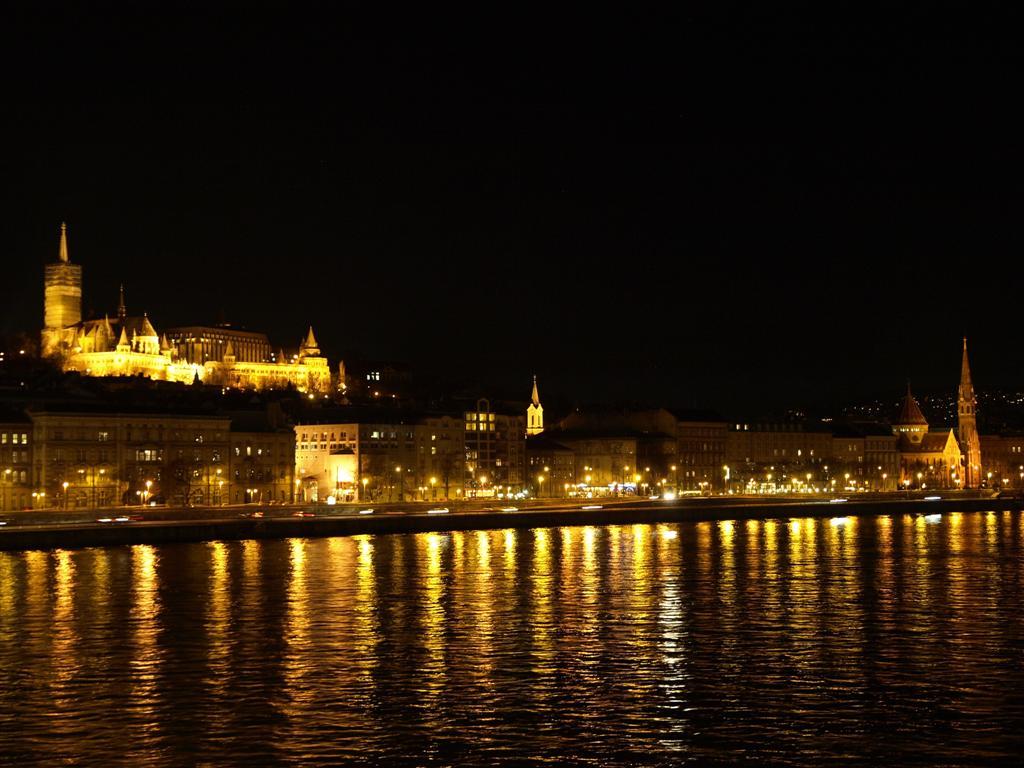
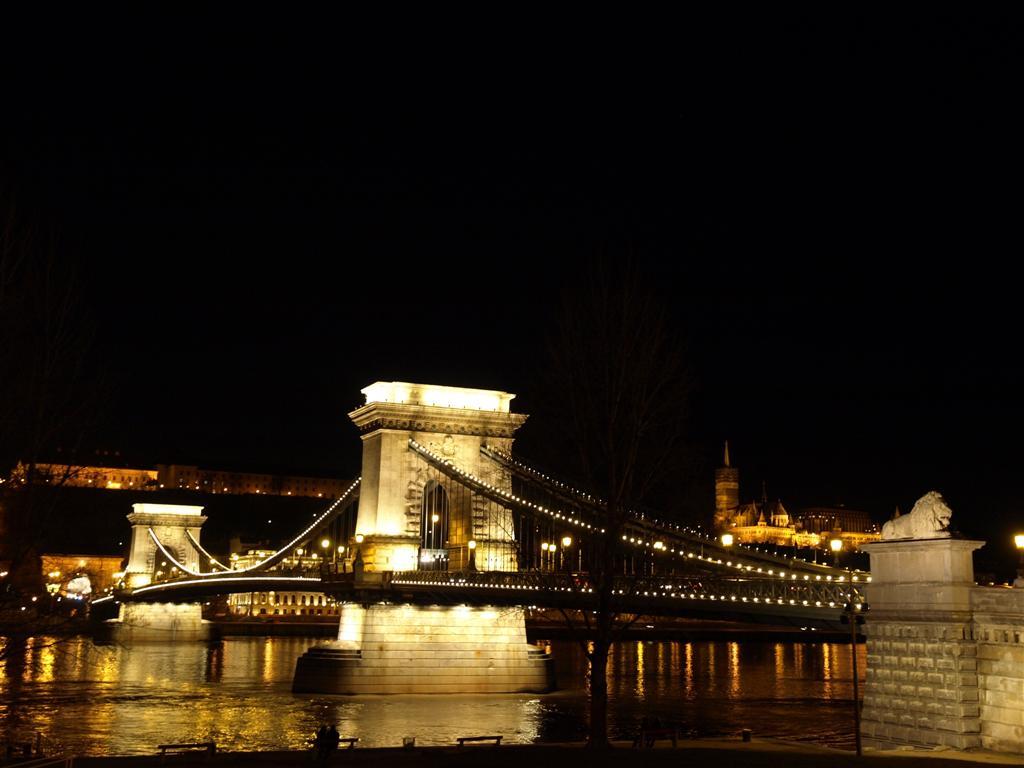

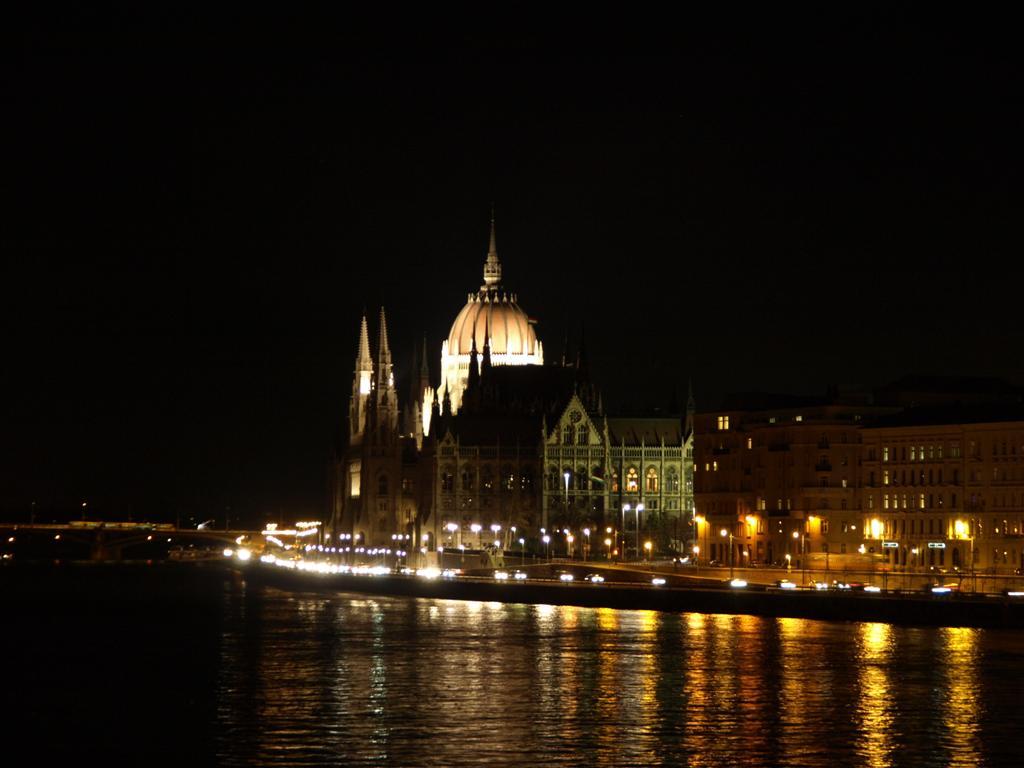
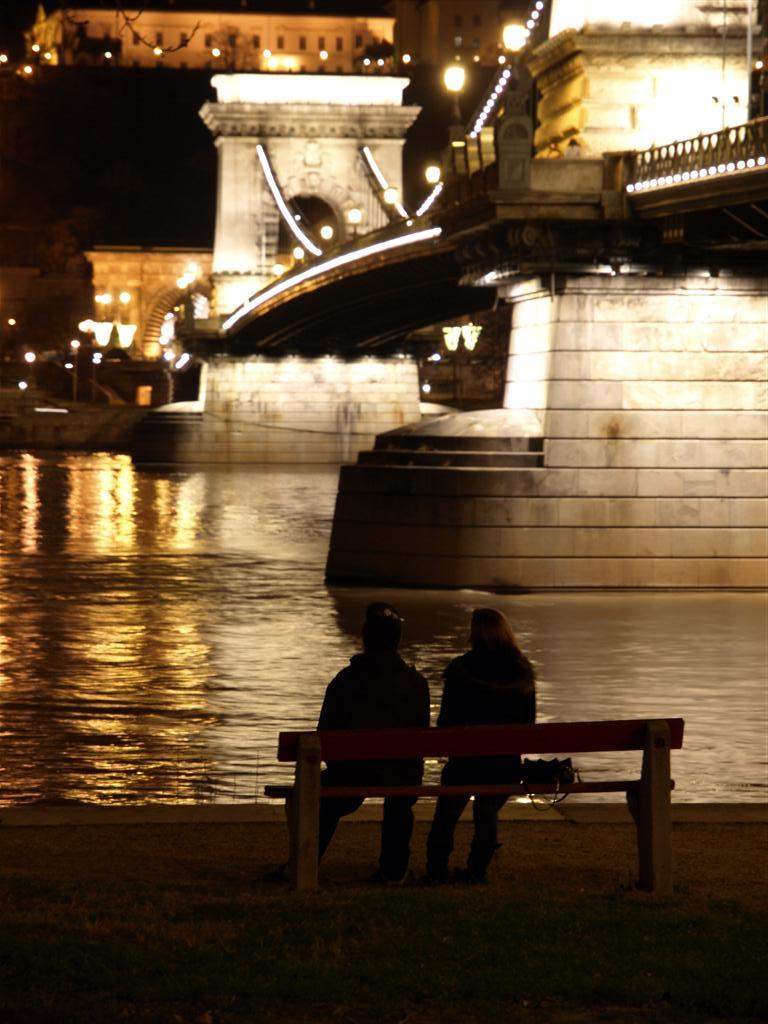
The night view of Pest from the hilly Buda side is stunning, but the illuminated Fisherman’s Bastion, Matthias Church, and the Royal Palace from the Pest side are also incredible. The Royal Palace gives off a somewhat imposing atmosphere. The beauty of the Chain Bridge is exceptional as well, and it’s easy to understand why people get lost in admiration while gazing at it.
When it comes to Budapest, it’s all about the hot springs
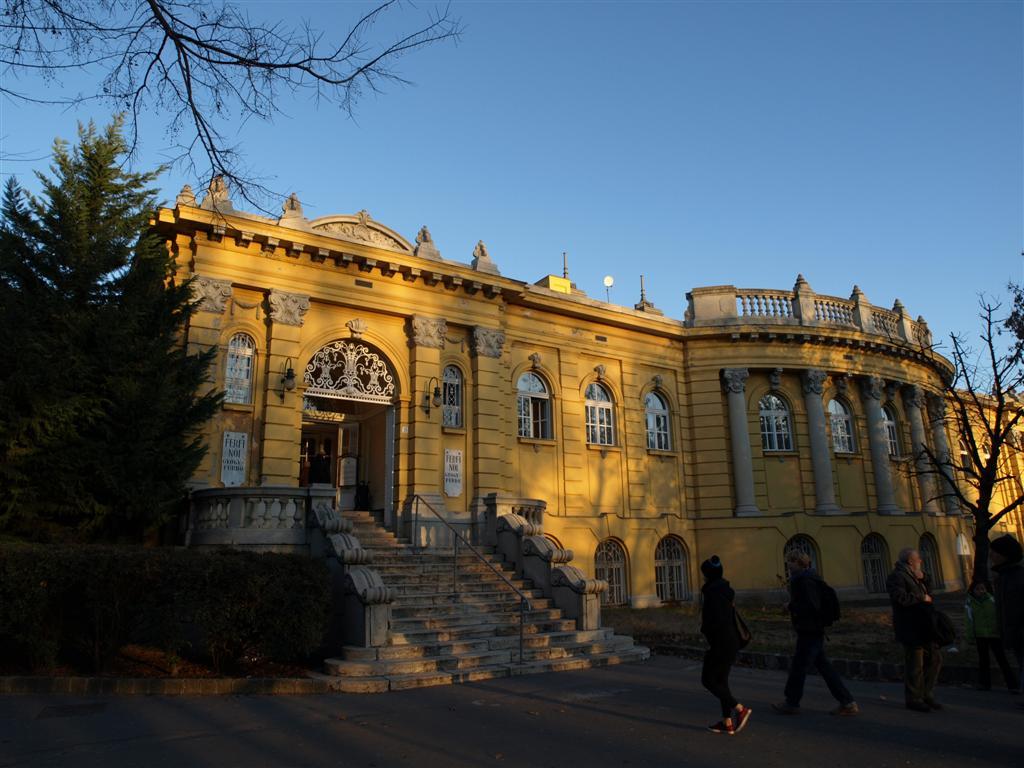



When we went on our honeymoon, we couldn’t visit the hot springs because it was part of a tour. Budapest is said to have nearly 50 baths, and since I’m a fan of hot springs, I definitely wanted to visit one this time. I decided to go to the Széchenyi Baths because of their famous “bath chess.” It was easy to get there by subway, and as I arrived at Széchenyi Bath station, I immediately saw the yellow building in front of me, which looked like the place. Built in 1913, the reception area had quite a historic feel to it.
After paying around 1500 Japanese yen, I was given a card key that would also serve as the locker key. When entering, the time was recorded, and based on how long I stayed, a portion of the fee would be refunded when leaving.
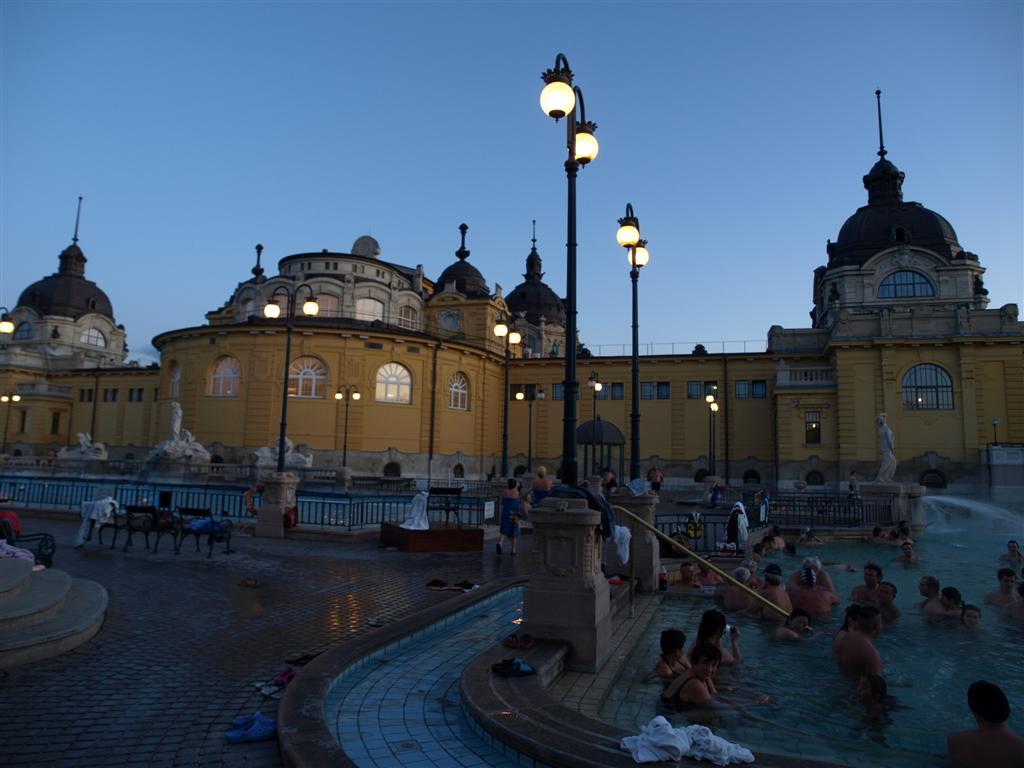
It’s a large bath, and it’s a mixed bath where you wear swimwear. I noticed a crowd of people gathering in one area, and when I approached, I saw they were playing “bath chess.” The water temperature is around 37-38°C, so it seemed like a great way to lose track of time while enjoying the game.

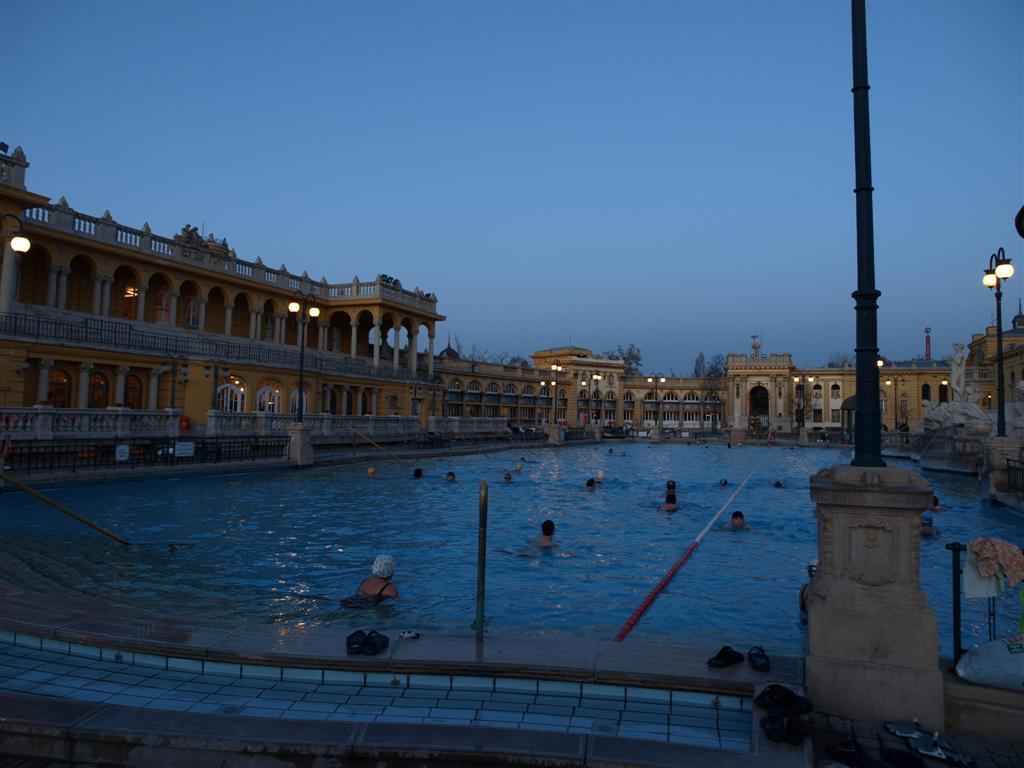
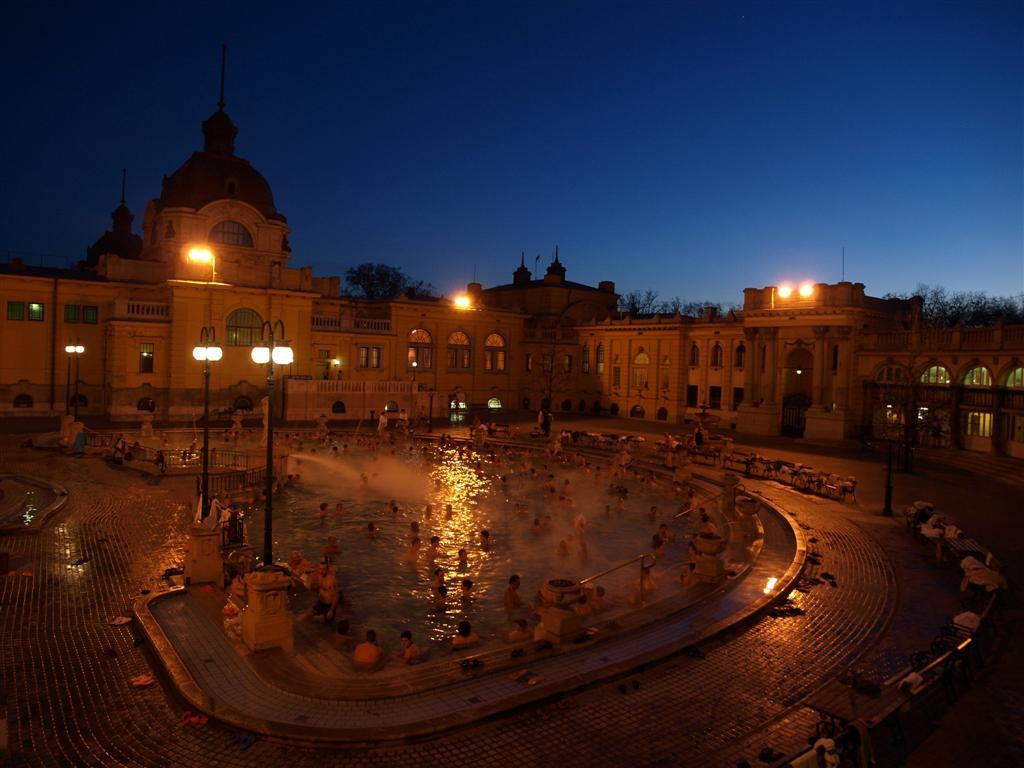
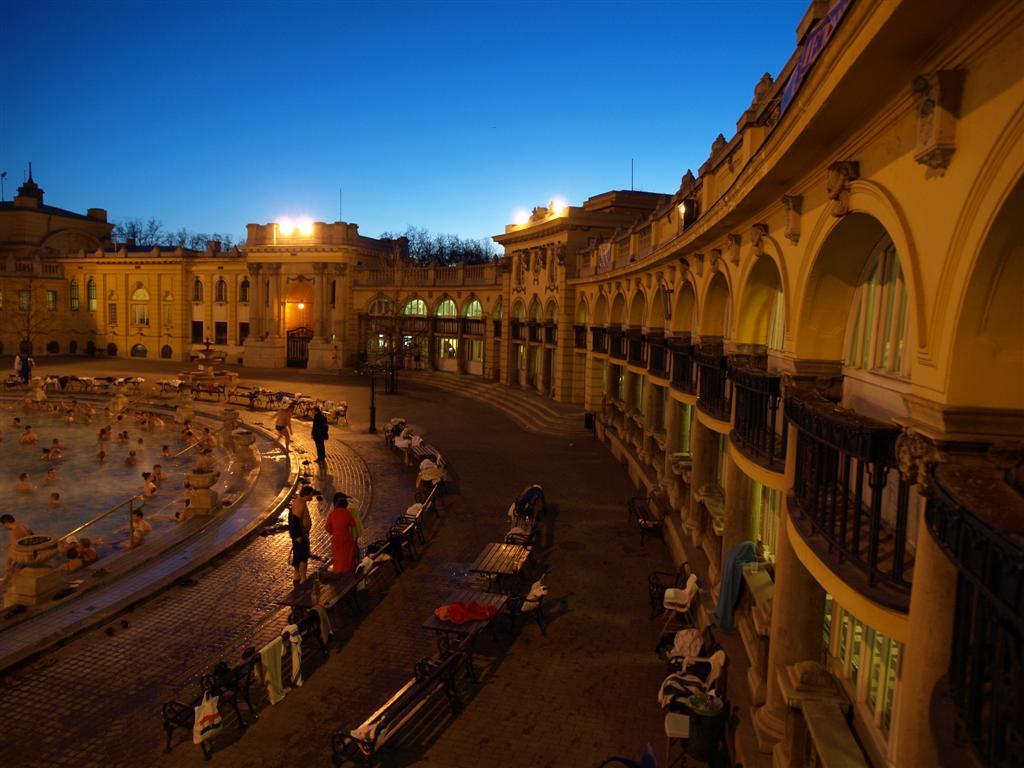

Given the setting, it felt more like a hot spring pool rather than a traditional onsen. In fact, there was even a “hot spring pool” with properly marked lanes. But on the other hand, the distinct sulfur smell when entering the water made me happy and reminded me that this is definitely an onsen. As the sun set and it got dark, it became quite enchanting. However, since the outdoor temperature was low and the water temperature was also cool, it became difficult to leave once I entered, which was a bit of a problem. By the way, the brightness changes so quickly in just one hour during Europe’s winter dusk.
Due to lack of time, I wasn’t able to even search for it, but apparently there were proper indoor hot springs and saunas here as well, which was a bit disappointing since I couldn’t experience them.
Exploring the Buda side
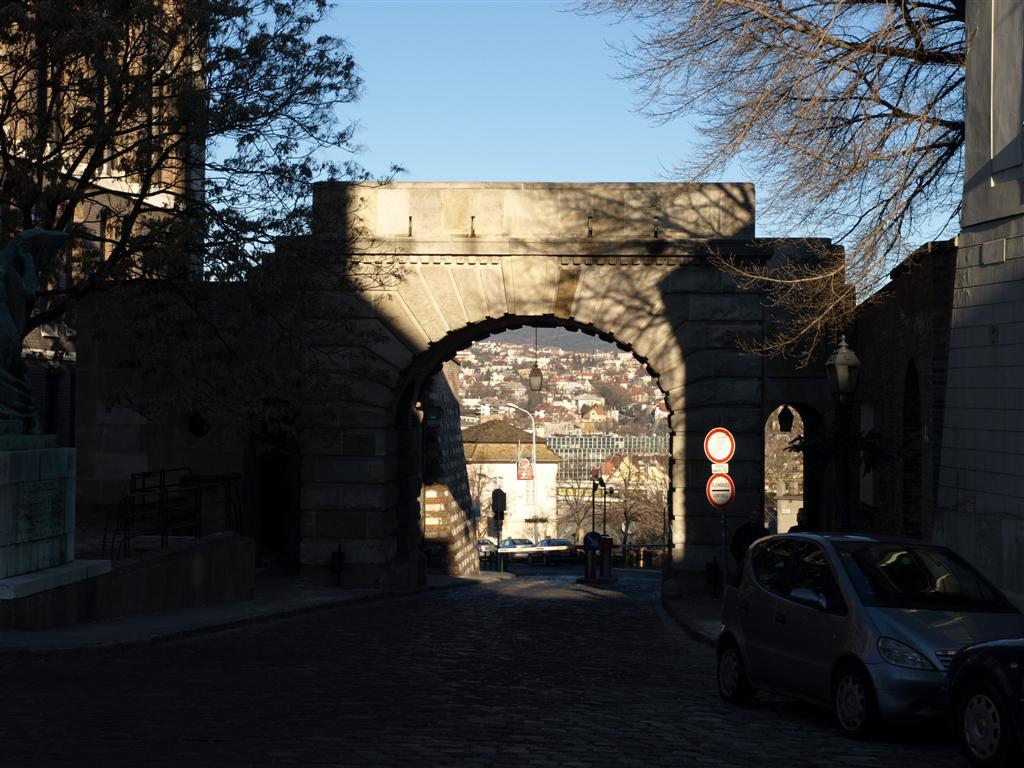

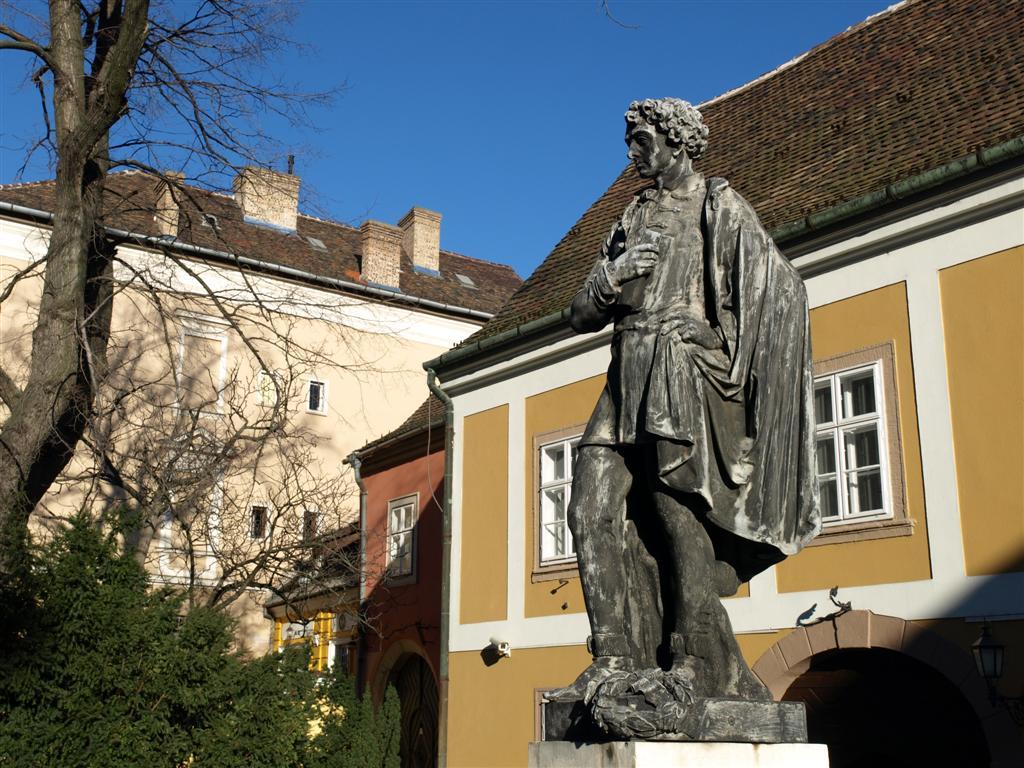
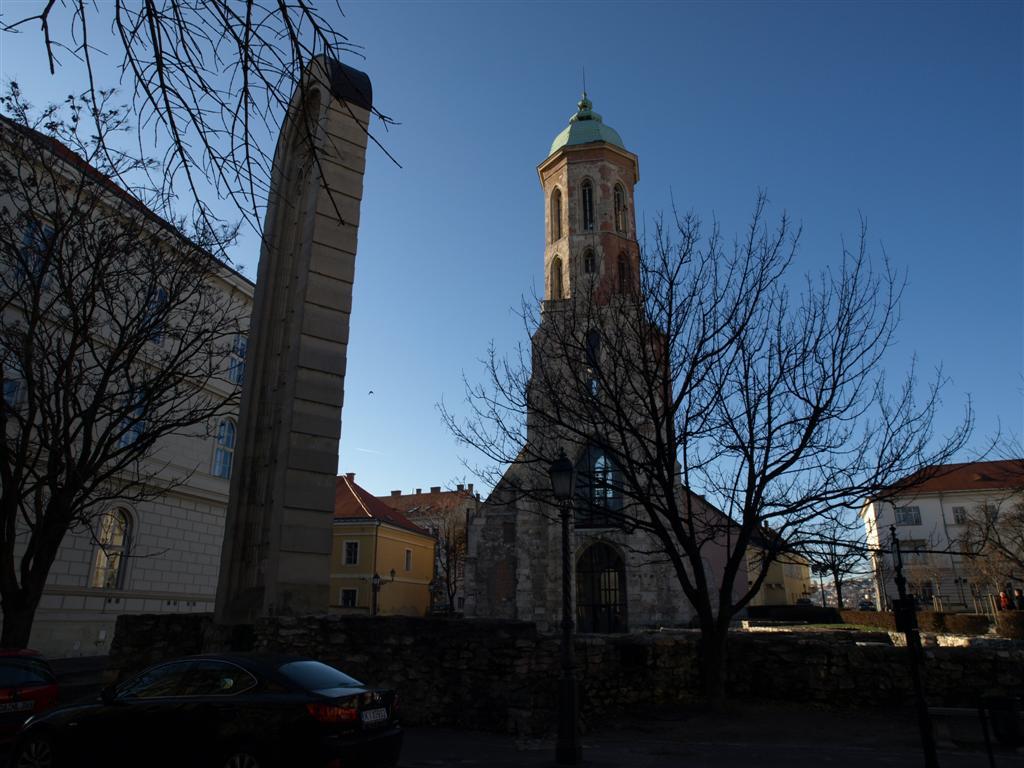

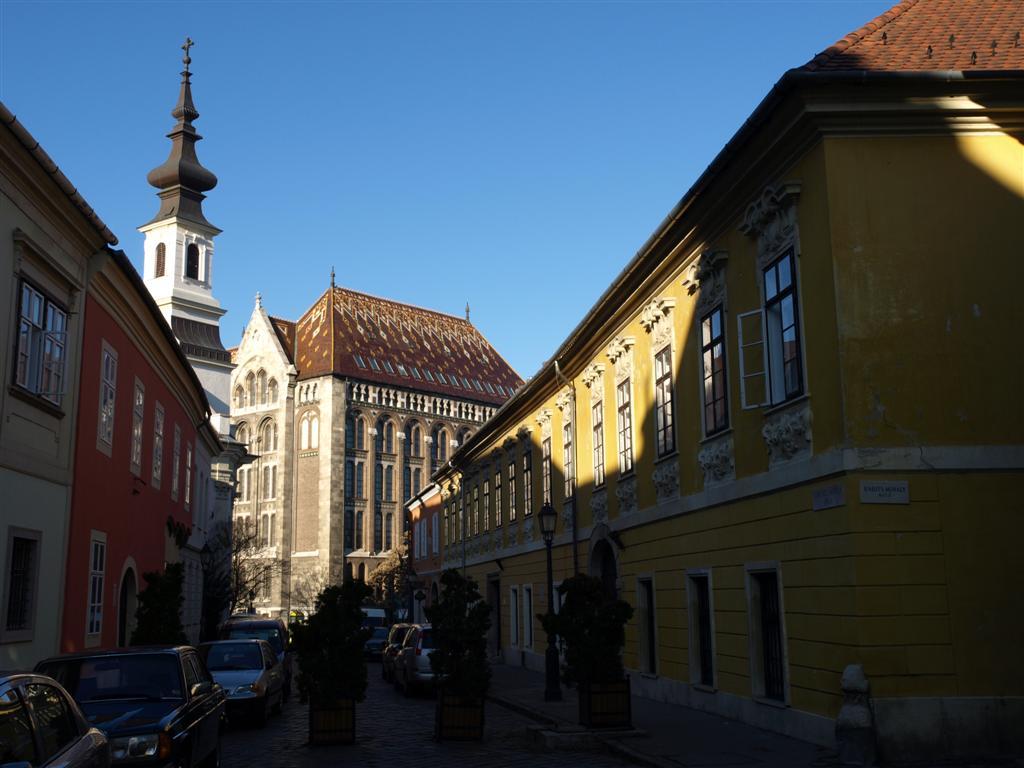
One of the entrances to the Royal Palace Hill, the Vienna Gate, not only offers a beautiful view of the cityscape beyond but also draws attention to the impressive building standing next to it. The roof of this building features colorful mosaic patterns. In the foreground, you can see the “Castle Bus” number 16, which we used frequently. The Mary Magdalene Tower is part of a church built in the 13th century. The main structure was destroyed during World War II, and only the bell tower remains. The sky on this day was especially clear and vibrant blue, leaving a lasting impression.
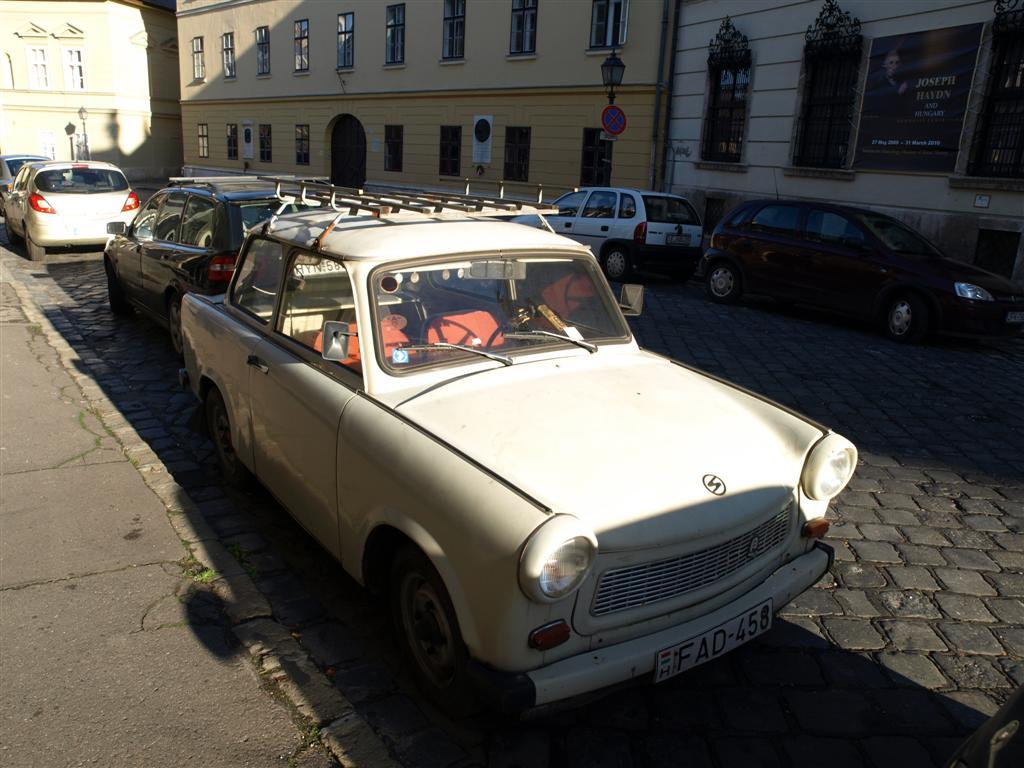


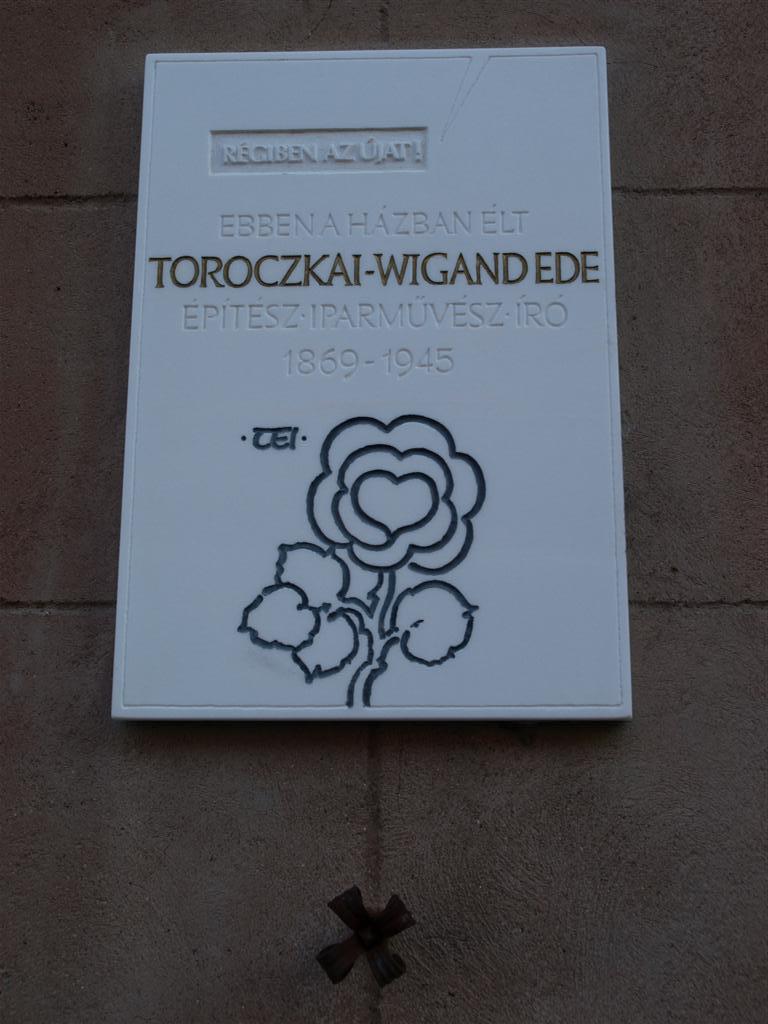

In Budapest, you can often see these old-style cars running around. Most of them are charming vehicles that look like they would “bob up and down” if you pressed them, with an interior that has a lot of character and a great vibe. In the square right in front of Matthias Church, there is a Trinity statue erected to commemorate the end of Pest.

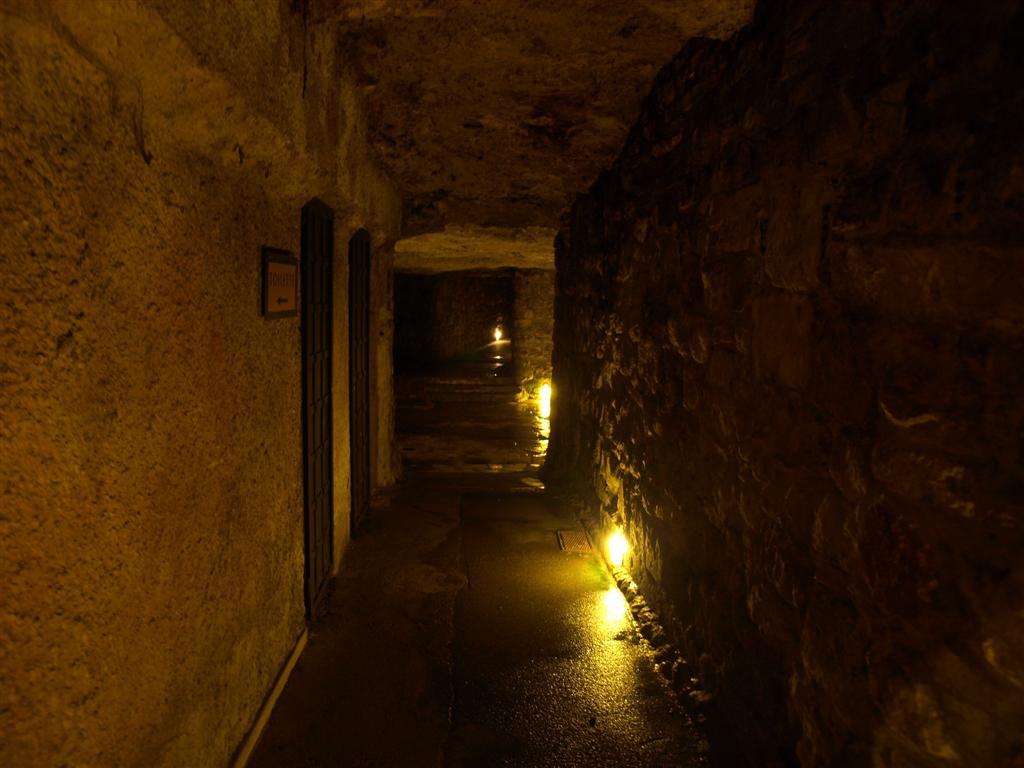

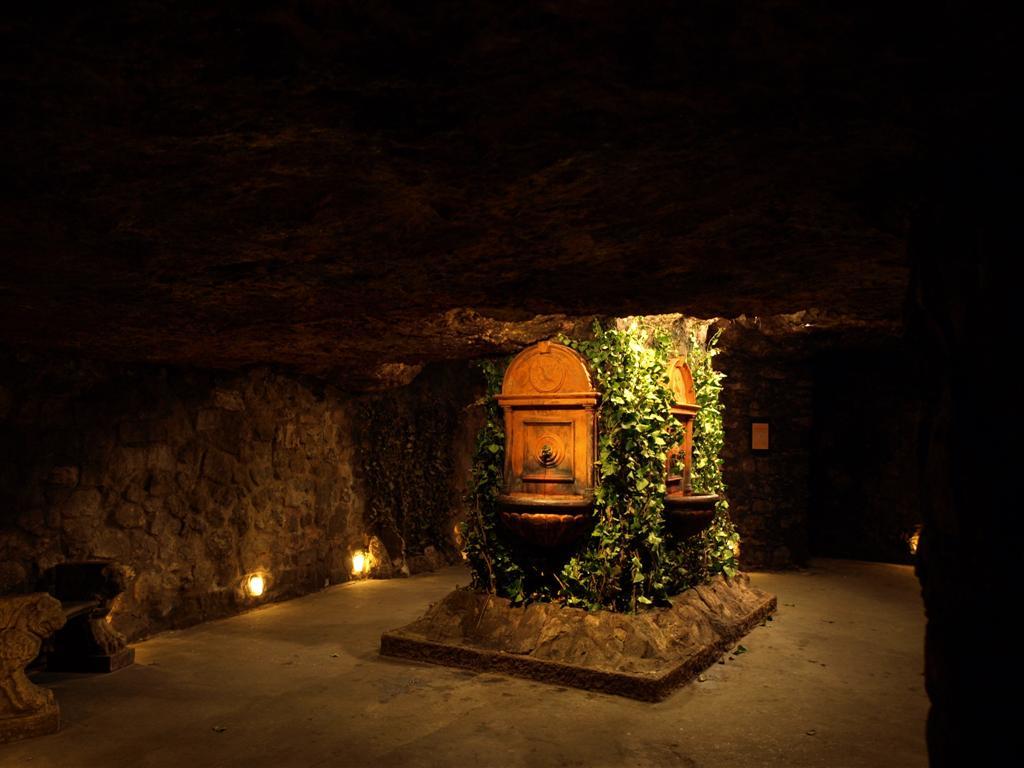

My wife kept saying she wanted to visit the underground labyrinth of the Royal Palace. Beneath the Royal Palace Hill, there are countless caves, and some parts are open to the public as a tourist attraction. When we stepped into a quiet entrance in the middle of the city, we were immediately enveloped in warm, humid air. It seems to be closely related to the presence of hot springs, as the temperature inside the cave is around 20°C year-round. The inside is quite dark, with some areas so dim that we hesitated to move forward until our eyes adjusted. One interesting feature is the wine spring, where real red wine flows. It’s a bit of a mystery—why wine? 😉


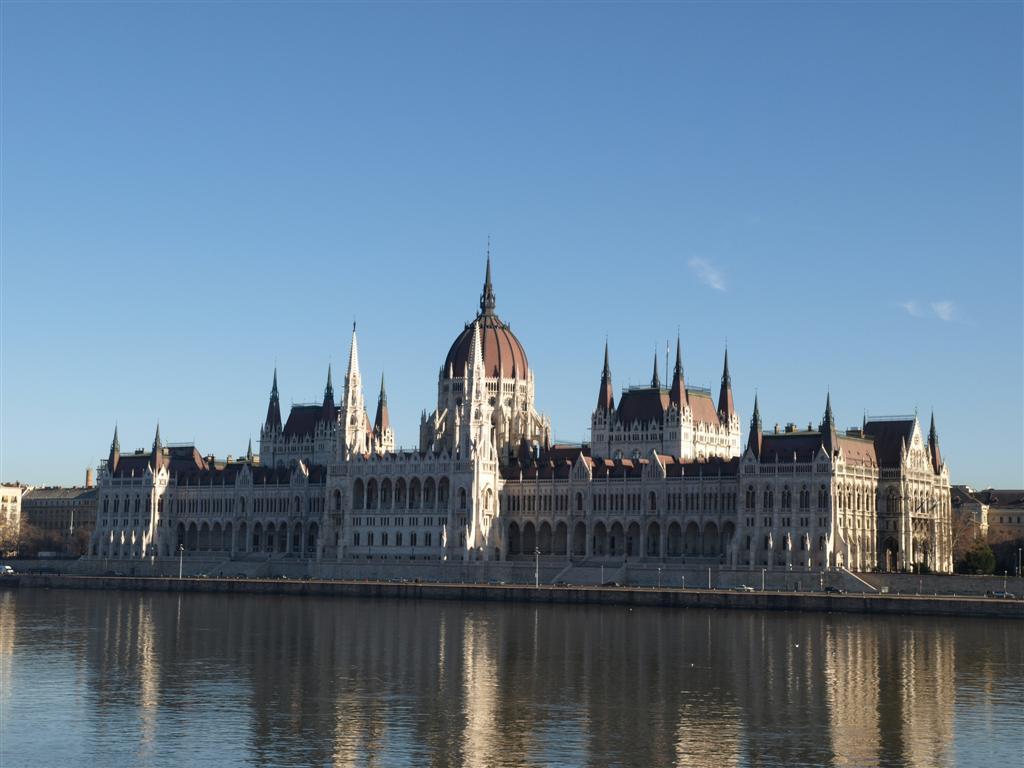
The two towers on the first picture are impressive, and they belong to St. Anna’s Church. The third photo shows another church whose name I couldn’t quite catch, but it’s notable for its unique shape and beautiful roof. I think Budapest is a great city for leisurely strolling and admiring its architecture.
Another side of the hot springs in Budapest?

I also went to the Turkish bath, Kiraly, which was built in 1570. According to the “Globe-Trotter Guidebook”, it is said that “gay couples seem to gather there in the evening and at night,” so I was a little curious about it even though it was daytime…
After paying the fee at the reception, I’m given a towel and a loincloth at the entrance and go to an empty cabin to change and lock the door to go to the bathtub. The moment I stepped out of the cabin wearing a loincloth, I was a little surprised to be suddenly touched on the shoulder by a man with a slightly suspicious atmosphere. The key of this cabin is very old, so after closing the door, I felt uneasy and tried to open it, but it wouldn’t open… I asked the man at the reception desk to do something, but I couldn’t open it for more than 10 minutes, and I felt very uneasy. I was in such a state that the man from earlier suddenly came back and touched me on the buttocks as he passed by, and I almost cried a little.
Eventually, I managed to get the key open, so I switched cabins to another place and finally went into the bathtub. There was a sauna and a small bathtub right at the entrance, and beyond that was a rather fantastic bathtub with light shining through a hole in the roof like a turtle’s shell. However, if you look closely, you will see men kissing here and there in the circular bathtub. I went to the bathtub, but I felt too restless. I found a place where I could take a hot shower, but I realized that I was being followed by the man in question. I realized that I was being followed by the man in question, and decided to flee back home at once.
It was a shocking experience that should not be included in any guidebooks. It was such a shocking experience…
A place that left a strong impression with its beauty
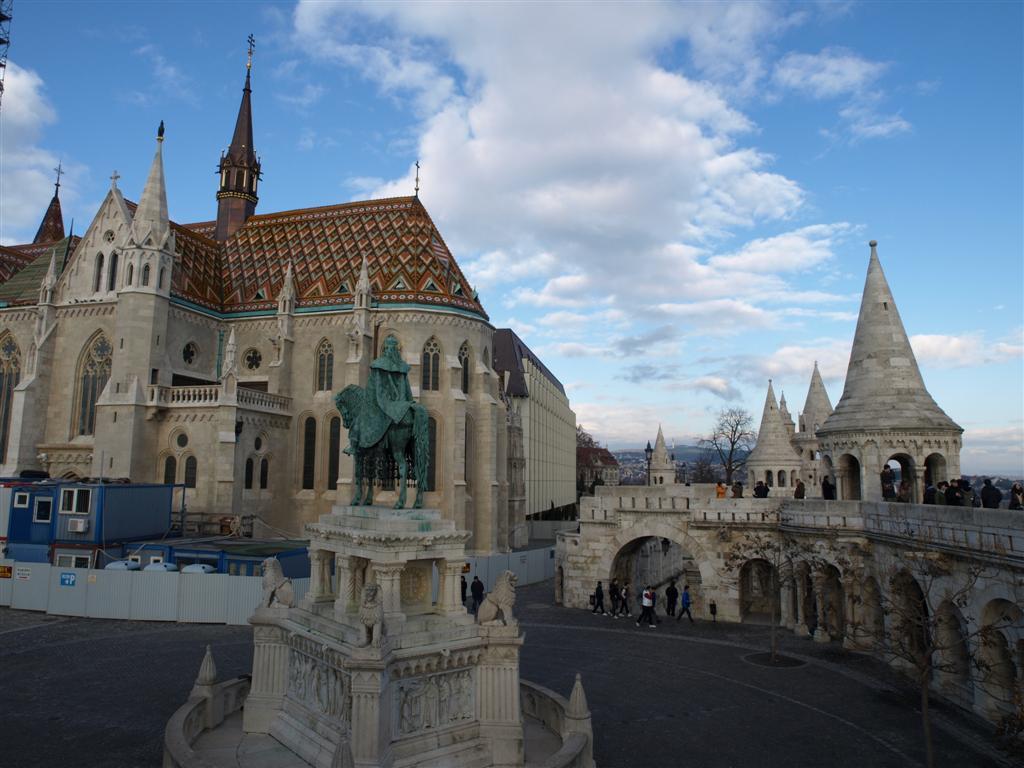
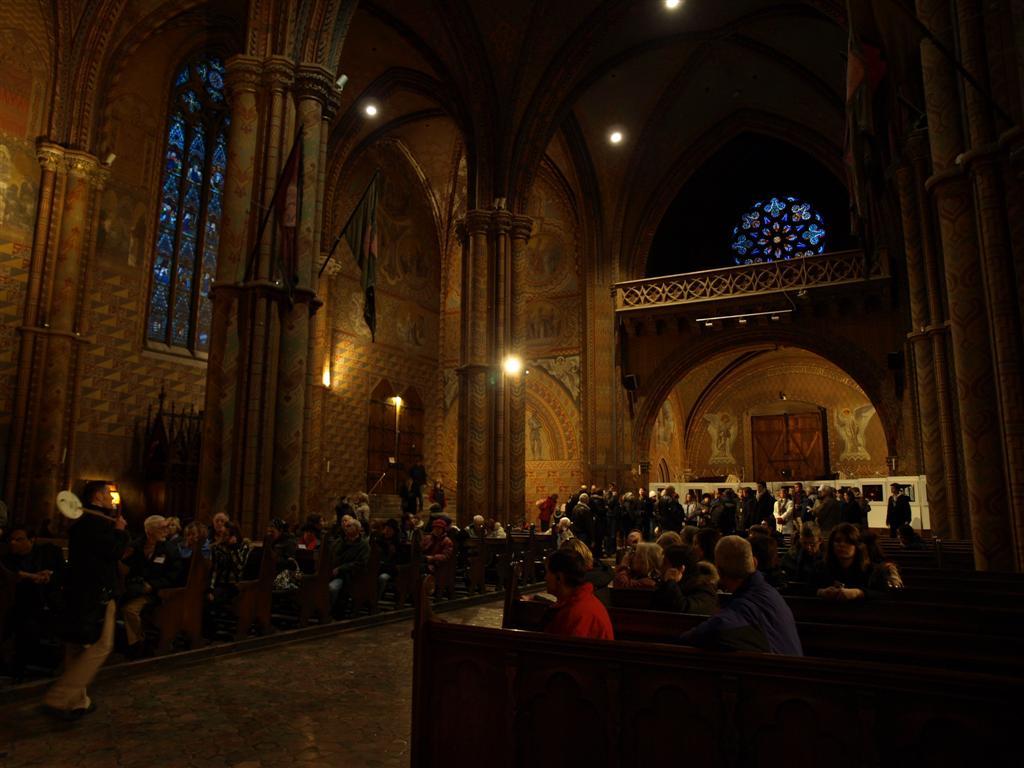


I hope the beauty of the landscape has come across in some of the photos so far, but let me share a few more of my favorite spots. One of them is Matthias Church. The mosaic-patterned roof is quite different from any church I’ve seen before, but when you enter, you’re surprised by the unique arabesque-like patterns that cover the entire walls. This is a trace of history, as the church was converted into a mosque when Buda was occupied by the Ottoman Empire in 1541.


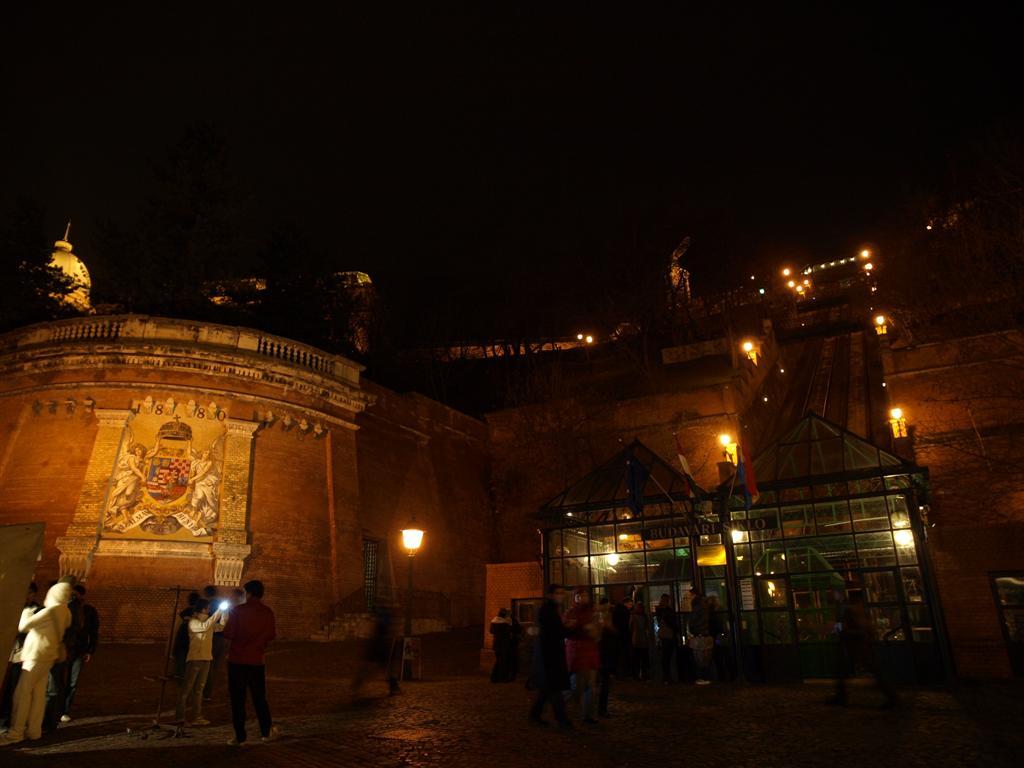


The cityscape from dusk to night is especially beautiful. The lighting is mostly warm-toned, but it’s not as simple as in Sweden, nor too overwhelming—just the right balance. The fact that there are few new buildings along the Danube near the Chain Bridge might be influencing this in a positive way, adding to the charm and preserving the atmosphere.
Delicious Hungarian cuisine
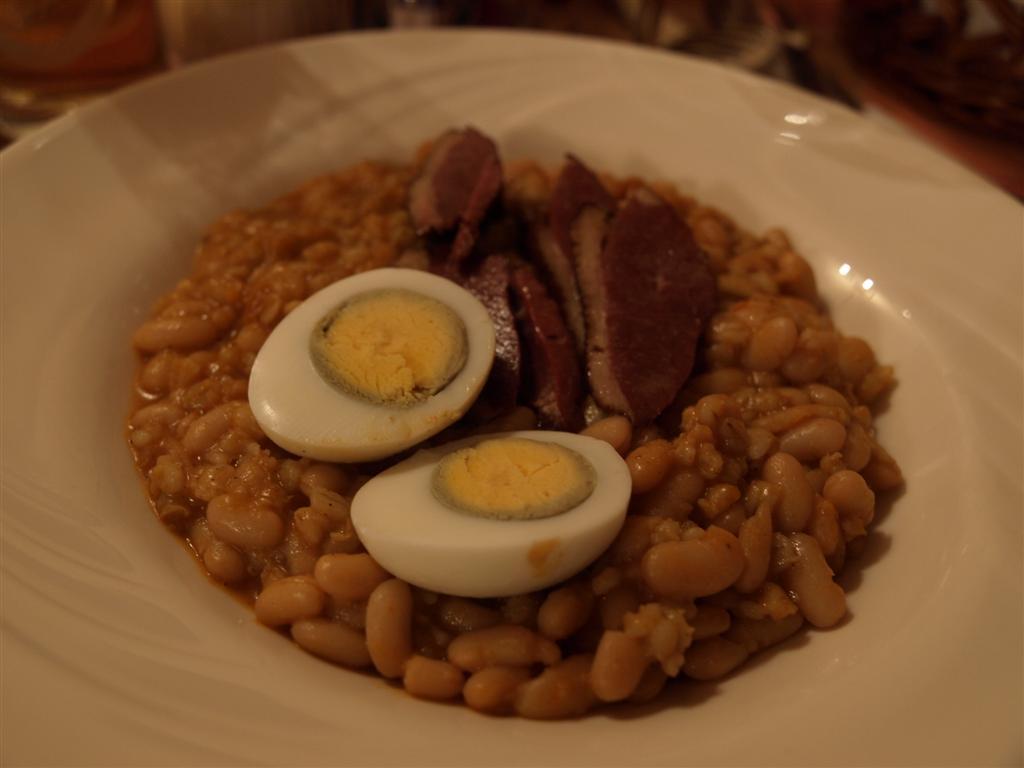

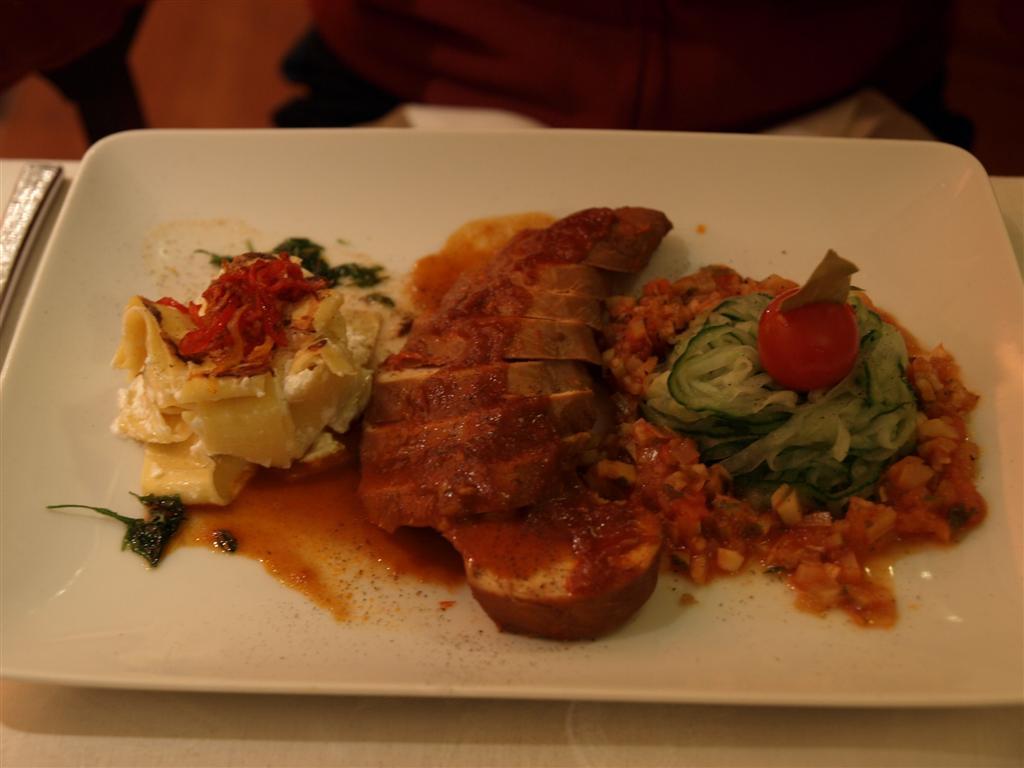
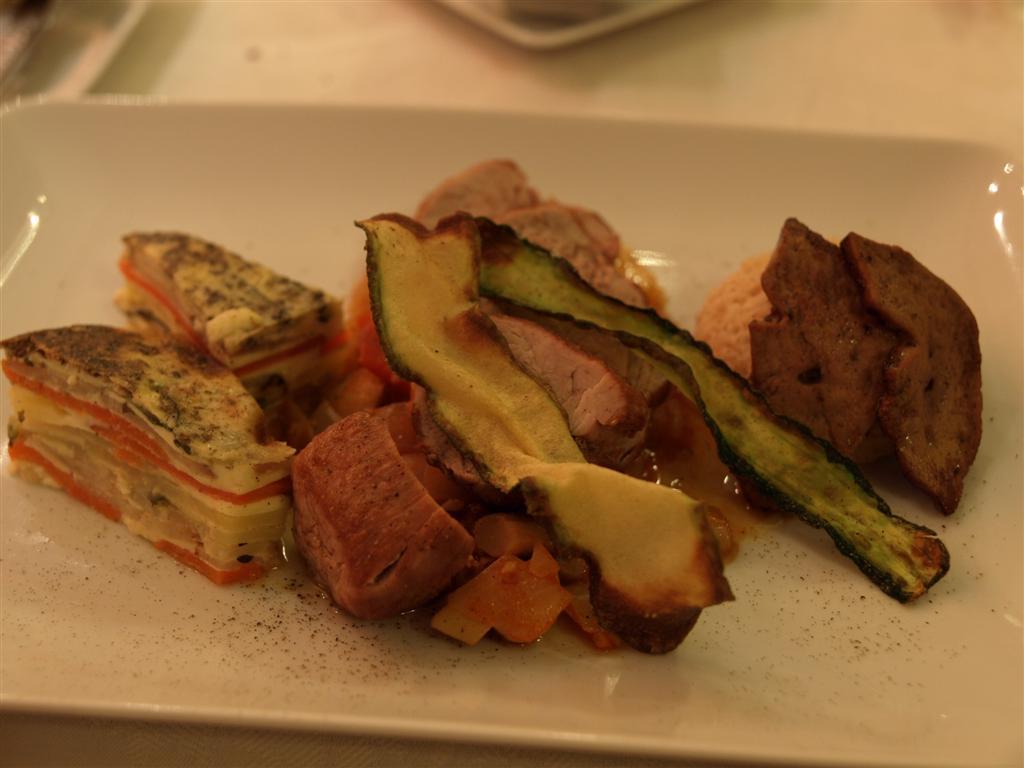
Hungarian cuisine is all about paprika. The most representative dish, goulash, is typically served as a “starter” in most restaurants (I had thought it would be a main dish). It’s moderately spicy, filled with beef and vegetables, and perfect for cold weather. The first photo shows a popular winter dish, with plenty of beans, smoked duck, and a boiled egg on top. The next dish is a chicken stew, likely made with a generous amount of paprika. Sautéed foie gras is also famous, and we had it during a hotel dinner—truly delicious.