
[Access] About 40 minutes by car from Saku-Minami IC on the Chubu Odan Expressway
[Website] Nagato Onsen Yasuragi-no-Yu (Japanese)
On the way back from a hike to Mt. Utsukushigahara, I did what I always do—look for a good hot spring. That’s when I came across Nagato Onsen Yasuragi-no-Yu, known for its therapeutic bōshō-sen (sodium sulfate spring). Conveniently located next to a roadside station, it seemed like an easy stop.
When I hear bōshō-sen, a few unforgettable places come to mind—Yukoman-so in Hokkaido, which is one of my all-time favorites; Yujuku Onsen in Gunma; and Uchimaki Onsen in Aso, where I once stayed while recovering from a paragliding injury. All of them have left a strong impression on me, so I had high hopes for this one as well.
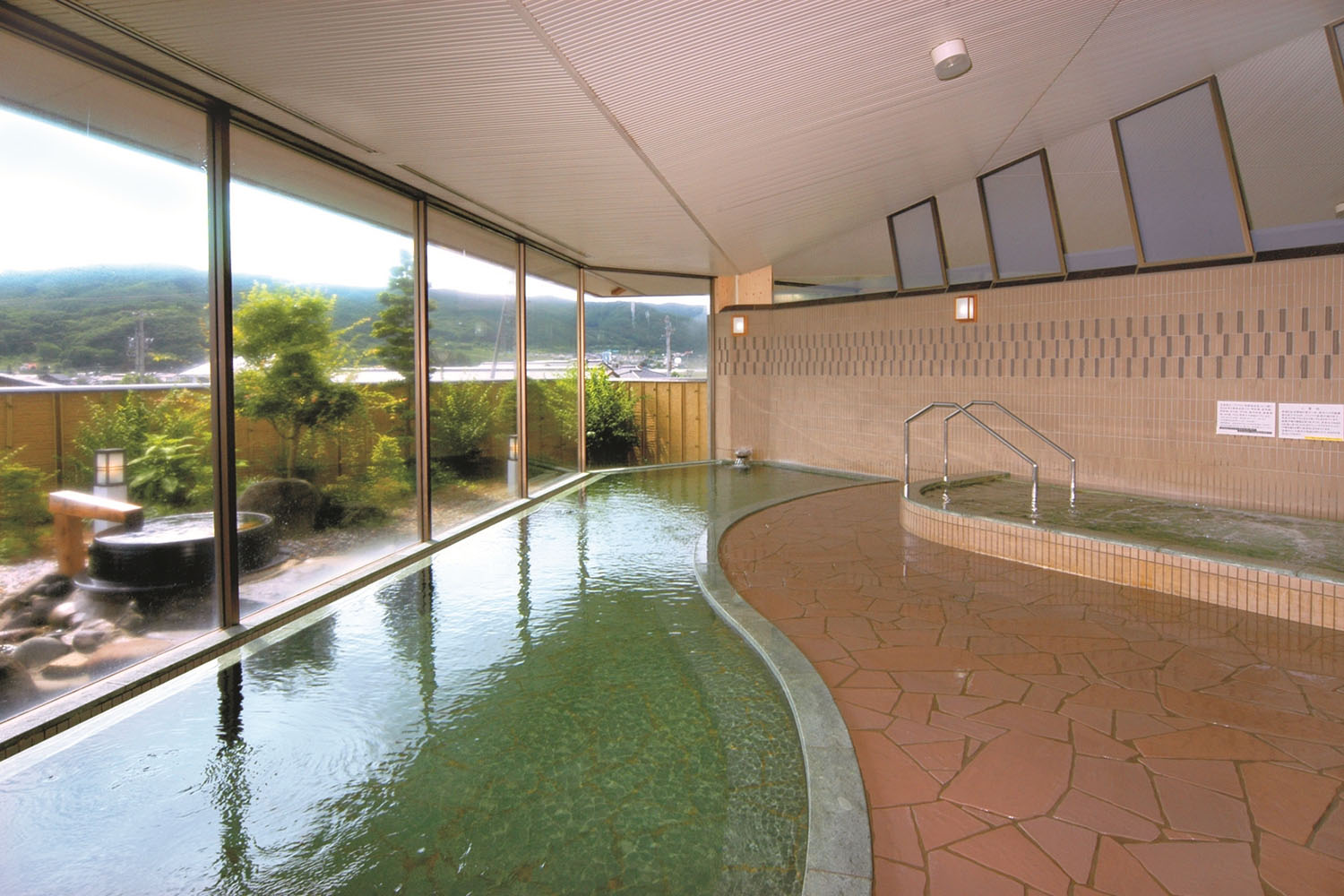

The large indoor bath was filled to the brim with slightly greenish-brown water. It had almost no noticeable smell, and the water felt incredibly soft on the skin—perfect for a long, relaxing soak. The source temperature of the spring is 39°C, which is ideal for a lukewarm bath, but it seemed that the main indoor and outdoor baths were generally heated (which felt like a bit of a waste!). The spring is a sulfate type, with a total dissolved content of 1,638 mg/kg.
Outside, there was a small “okeburo” (barrel bath). I didn’t pay much attention to it at first, but then I noticed a sign indicating that this bath was the only one using pure, free-flowing non-heated spring water directly from the source. Thanks to its compact size and the natural spring temperature of 39°C, it made for a perfectly balanced lukewarm soak. It was absolutely heavenly—I felt like I could stay in there forever. That said, a sign asked guests to limit their time to 10 minutes…
After the bath, my body stayed warm and relaxed, and I became incredibly sleepy. The place was bustling with local elderly men, which seems to be a good sign—it’s clearly a popular onsen among the community.


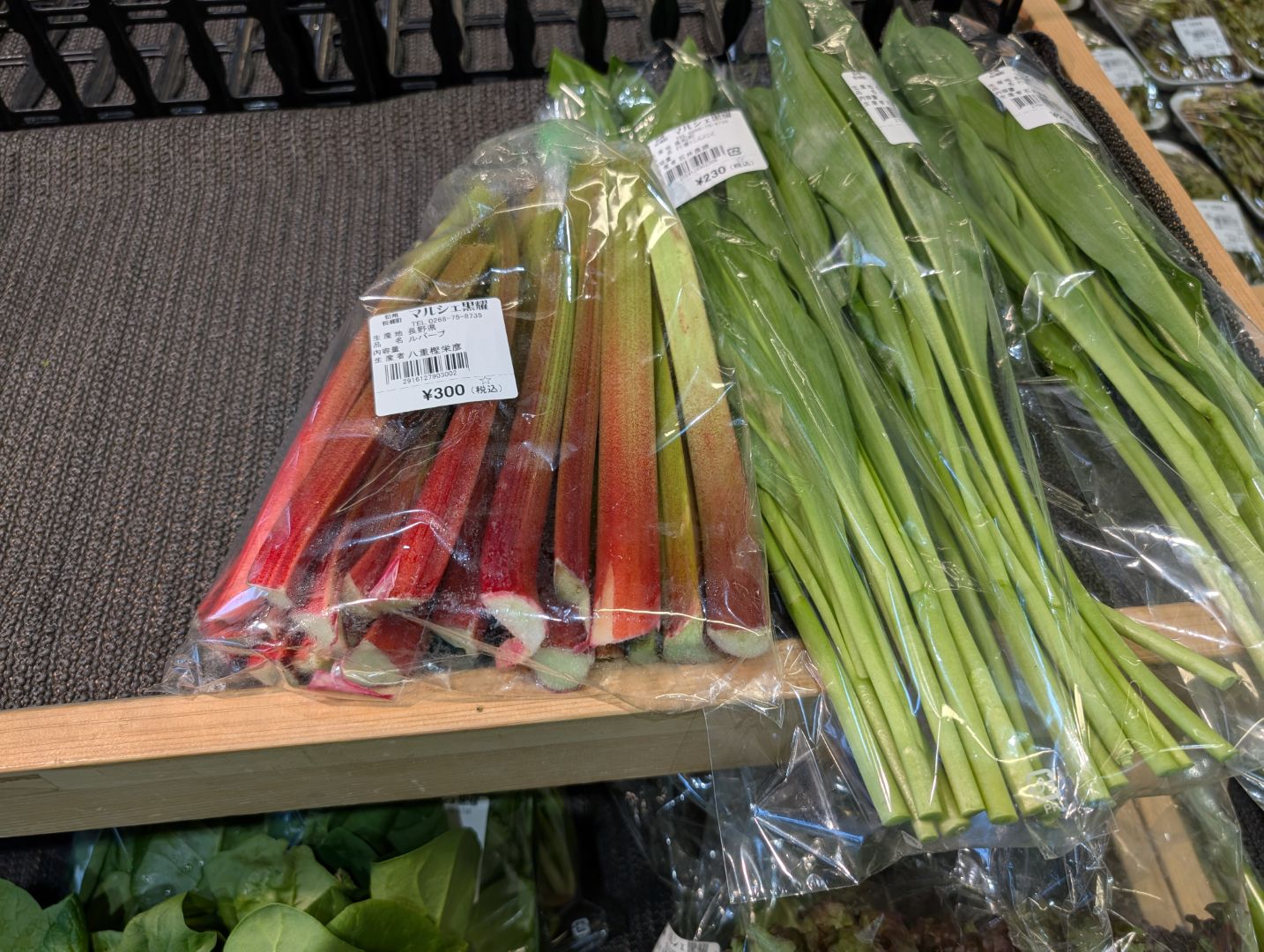

At the roadside station “Marumero-no-Eki Nagato,” which is adjacent to the hot spring, there’s a local market called “Marche Kokuyou” where they sell fresh vegetables, fruits, and processed goods—all of which looked delicious. As expected from Shinshu, there was a wide variety of miso, and they all looked tempting, but since I live alone now, I often hesitate to buy things like that because I can’t finish them all. That day, I found some unusually large nameko mushrooms that looked great, so I bought them and made miso soup with them at home—it was delicious.