
[Access] Take the Nagano Electric Railway to Yudanaka Station, then it’s about a 10-minute bus ride toward Shiga Kogen.


Shibu Onsen’s Oyu is located in the center of the hot spring town, sitting right underneath the Onsen Shrine. The interior is all wood-lined, with baths split into high and low temperatures. The water has a brownish hue and feels a bit grippy against your skin; if you happen to taste it, a strong iron flavor spreads through your mouth. The water in the lower-temperature bath is just perfect, gently warming up a body chilled by the winter air—it feels amazing. Between this bath and the changing area, there was a steam room. Come to think of it, I noticed a sign for “Shingen Kamado-buro” while walking around town and was curious about it; I wonder if it’s a natural low-temperature sauna using the hot spring steam. There’s also a footbath outside.

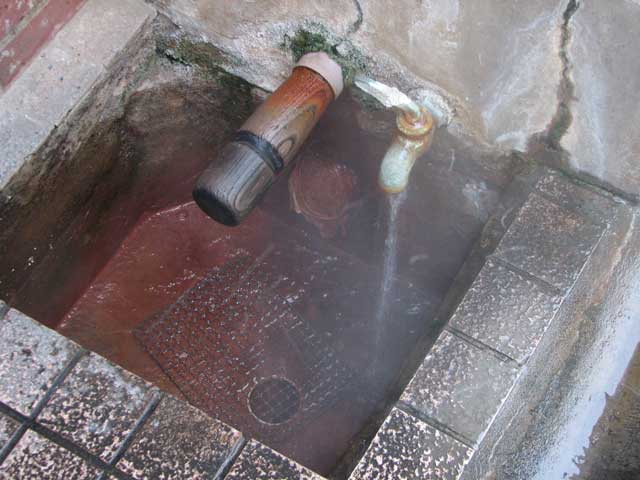
By shortly after 3 PM, the lights were already starting to come on. In this town, you see hot spring water and steam everywhere, and you’ll even spot people using the flowing warm water to wash vegetables—just seeing that gives the place a warm, cozy feeling.

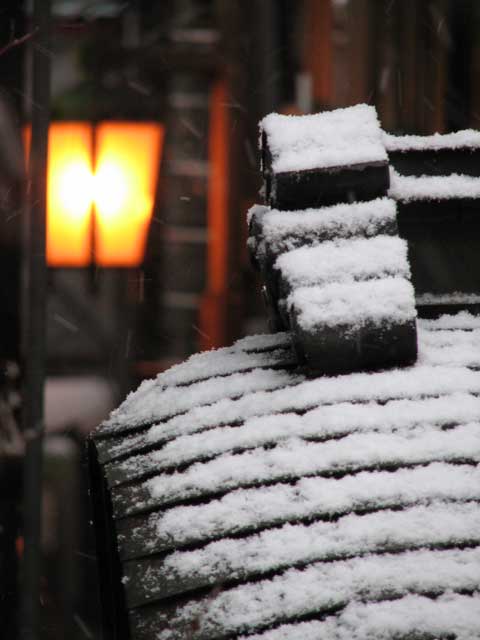

Shibu Onsen is a town full of character, with traditional buildings lining its cobblestone streets. In the evening, the soft orange lights look beautiful, and it’s the kind of place where guests in yukata strolling around with the rhythmic “clack-clack” of wooden geta sandals really completes the scene.
The most striking building has to be Kanaguya. The first photo shows it—it’s said to be the model for the bathhouse in “Spirited Away,” and its unique exterior definitely reminds you of the film. But there are plenty of other charming inns besides Kanaguya, and because there aren’t many massive hotel buildings like you see in Kusatsu, the whole town feels wonderfully compact and cozy.

As you walk through Shibu Onsen, you’ll notice buildings with two front gates and openings on the second floor where steam vents out (see the second photo). These are the public bathhouses of Shibu Onsen. There are nine in total, and each is said to have different medicinal benefits (unfortunately, they’re only open to overnight guests and locals, so I couldn’t go in).
- Bath No. 1 “Hatsu-yu”: Digestive health
- Bath No. 2 “Sasa-no-yu”: Eczema
- Bath No. 3 “Wata-no-yu”: Cuts, boils, and fertility
- Bath No. 4 “Take-no-yu”: Gout
- Bath No. 5 “Matsu-no-yu”: Spinal ailments
- Bath No. 6 “Me-arai-no-yu”: Eye diseases
- Bath No. 7 “Nanakuri-no-yu”: Traumatic injuries
- Bath No. 8 “Shinmei-taki-no-yu”: Women’s health
- Bath No. 9 “Oyu”: Fertility, rheumatism, and neuralgia


Shibu Onsen is also quite nice to walk through after the sun goes down. The area around Kanaguya and Oyu is beautifully lit up. The light reflecting off the cobblestones, wet from the falling snow, was also lovely. On a night where the cold really stings, I think you could finish the nine-bath tour in a flash if you just walk through the beautiful streets and hop into a bath to warm up every time you get cold.\nAlso, even when walking a bit away from the main Yudanaka and Shibu hot spring areas, I noticed those buildings with the two entrances and steam coming out from the ceiling. Unlike the ones in the main tourist area, these are made of concrete, so at first glance, they kind of look like public restrooms (haha). It seems these aren’t meant for tourists but are community baths truly rooted in local life. It’s a place where the cold is harsh, but I think it’s wonderful to have something like this.