[Access] About a 10-minute walk from Niijima Port
[Webpage] Mamashita Onsen (Japanese)
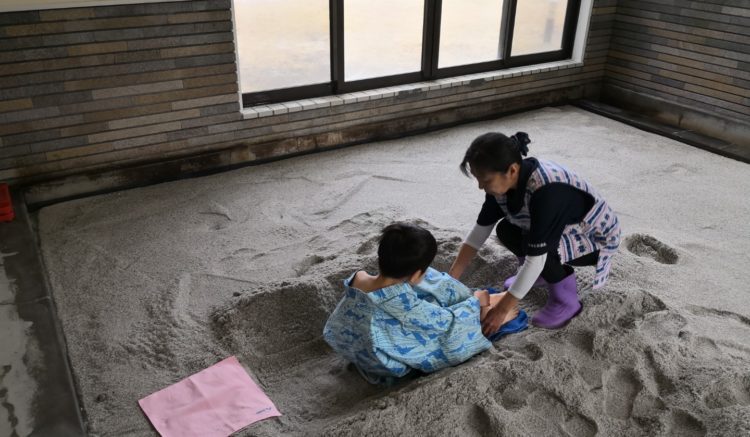
I had heard that Niijima has a sand bath and had always wanted to visit, so I decided to combine sightseeing with a trip to Niijima. Mamashita Onsen is conveniently located near the port and features a hot spring with a nearly 80°C source (a sodium chloride strong saline spring). You can enjoy either the hot spring, which includes an open-air bath, or the sand bath (with access to a small private indoor hot spring after the sand bath). Naturally, I opted for the sand bath this time.
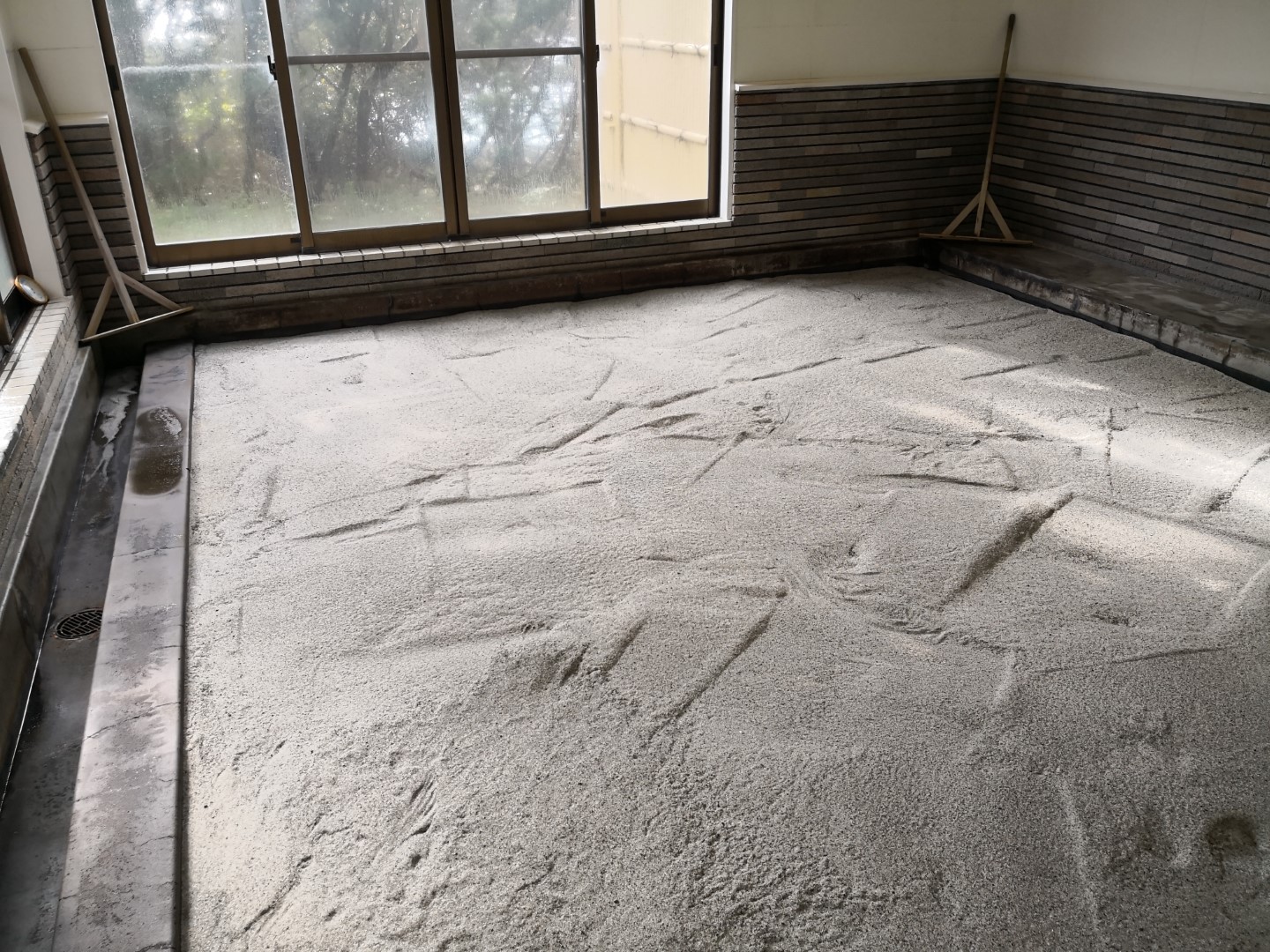
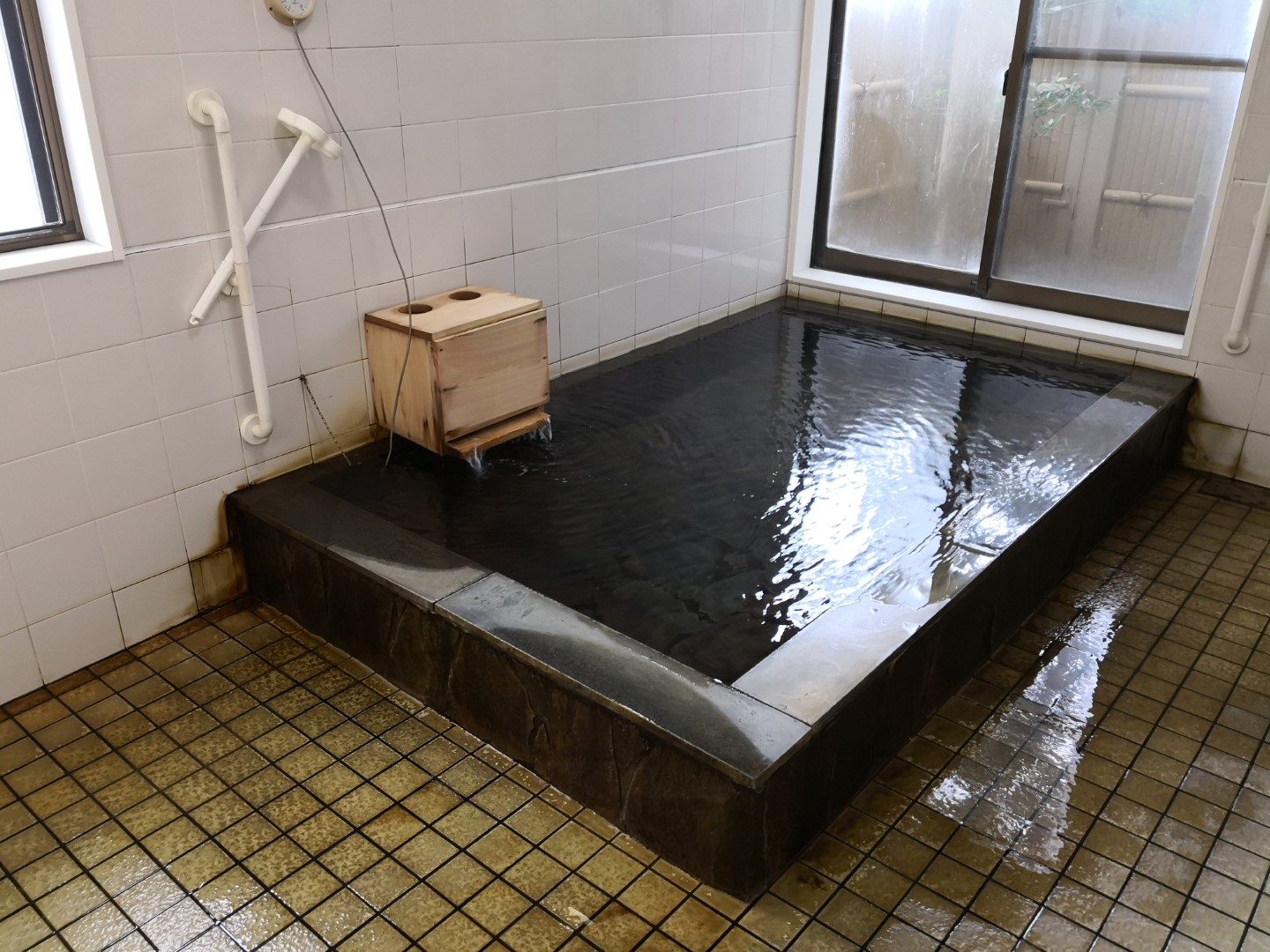
After checking in at reception, I changed into a special yukata and was guided to the sand bath, where clean sand was neatly spread out. The sand is made from the white sand of Habushiura Beach and is heated by the hot spring. I lay down on the sand and had it gently poured over me, gradually warming my body. The slight weight of the sand was surprisingly soothing. Afterward, I rinsed off in a small bath attached to the sand bath area, which is also filled with hot spring water. It felt wonderfully refreshing.
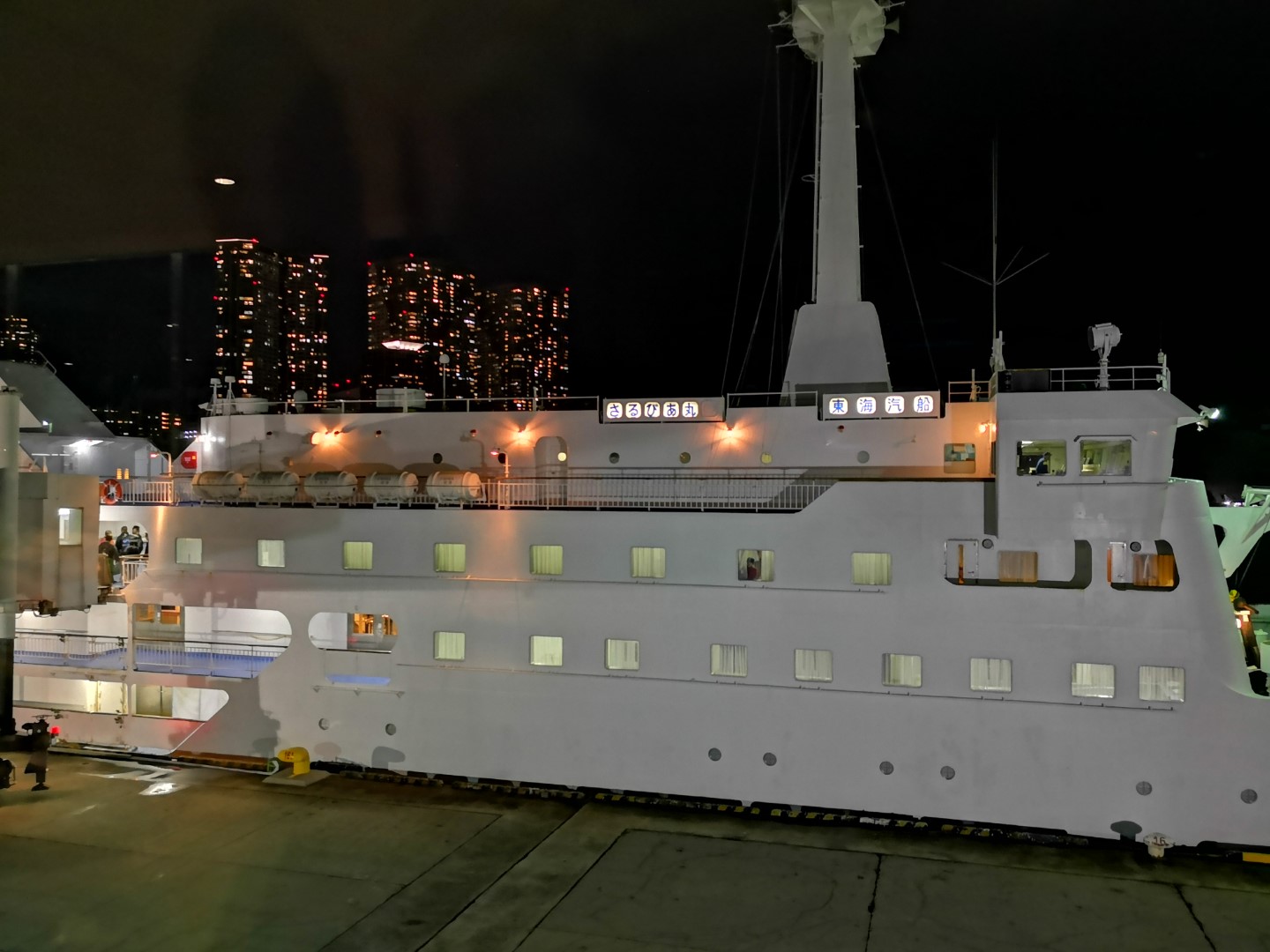
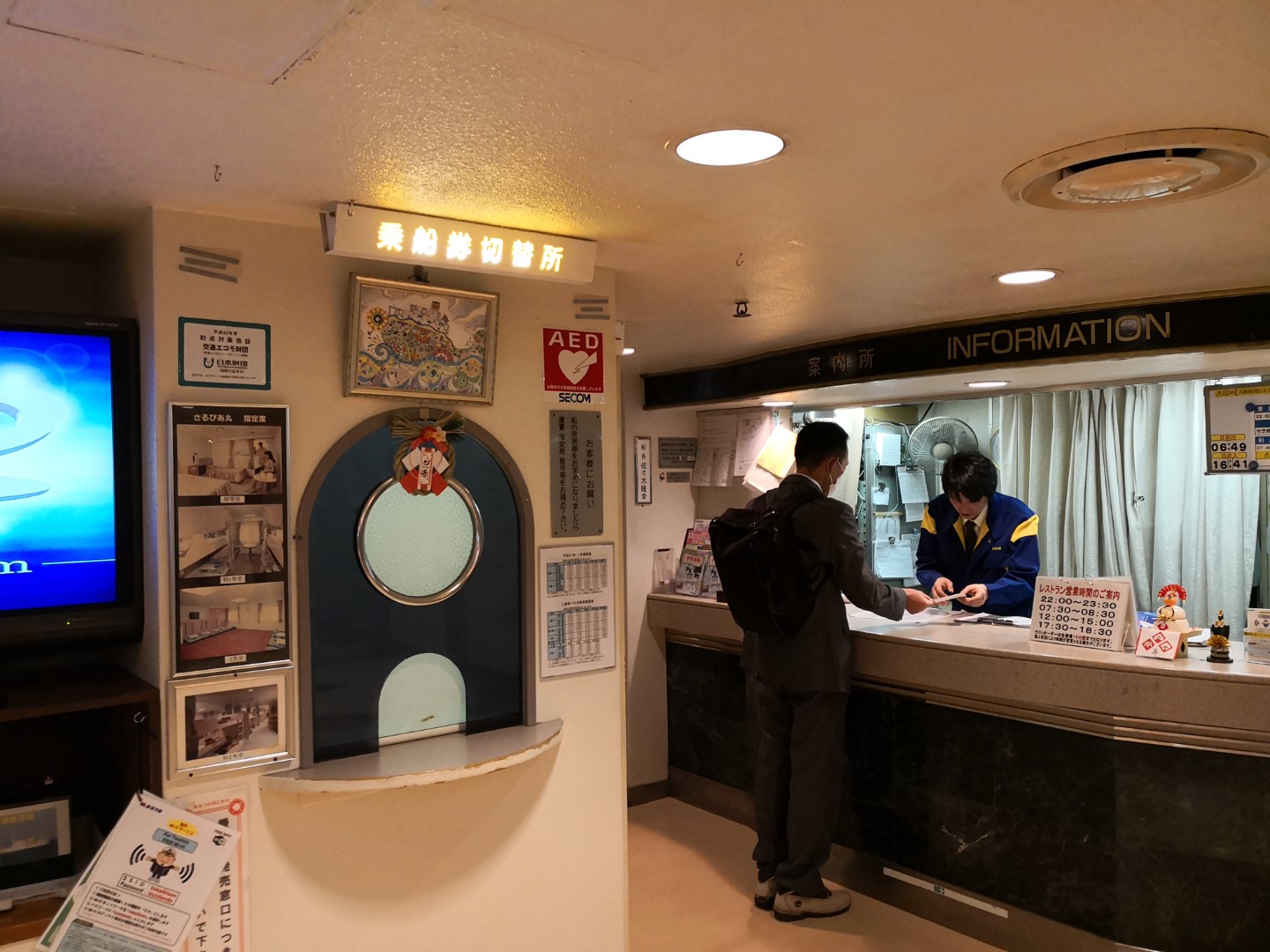
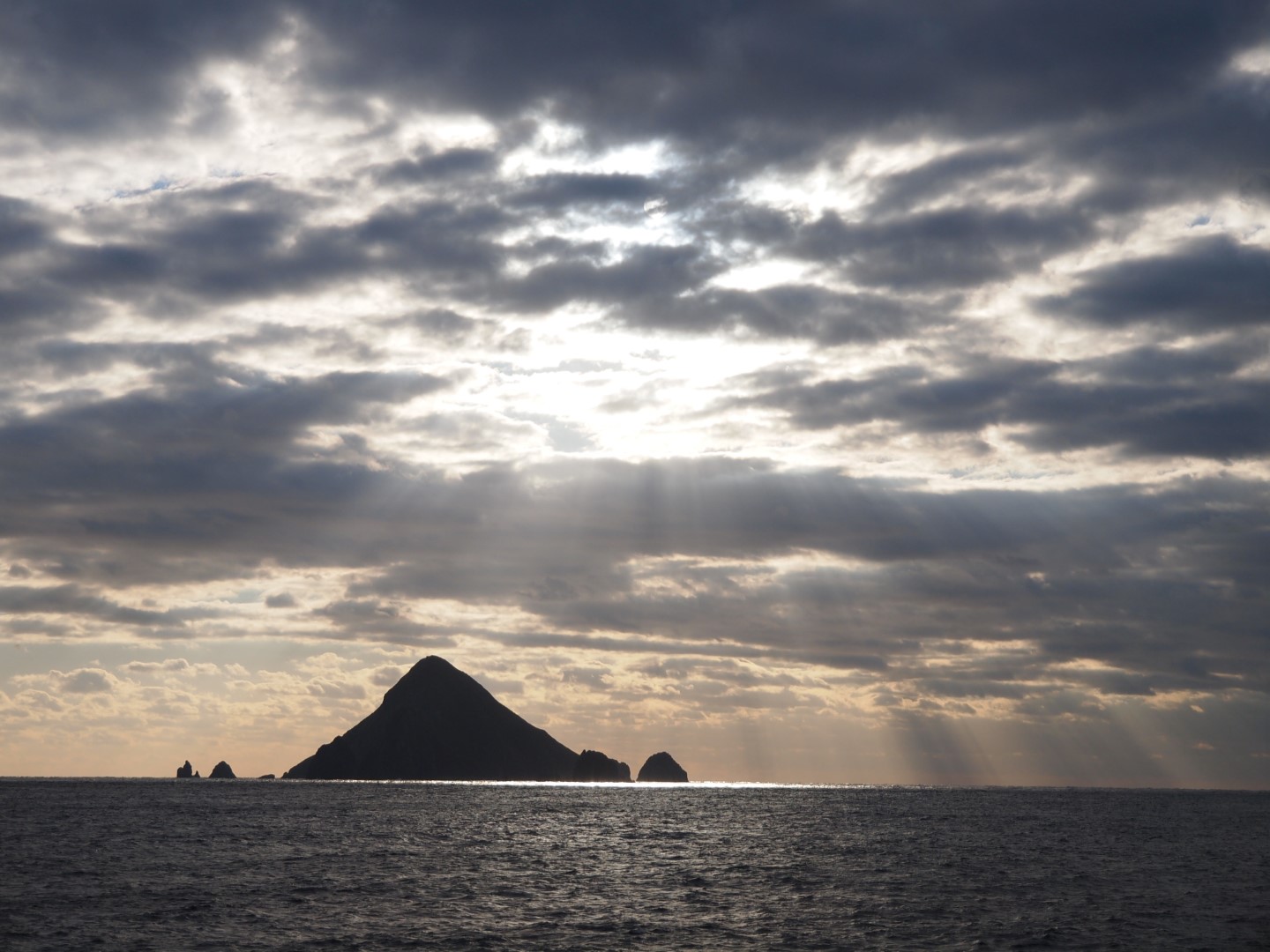
The easiest way to Niijima is by taking the Salvia Maru, which departs from Takeshiba Pier late at night. Unlike the high-speed jetfoil that operates between Izu Oshima, this large ferry does sway, but the night view of the Rainbow Bridge and the sunrise over the Izu Islands made the journey quite enjoyable.
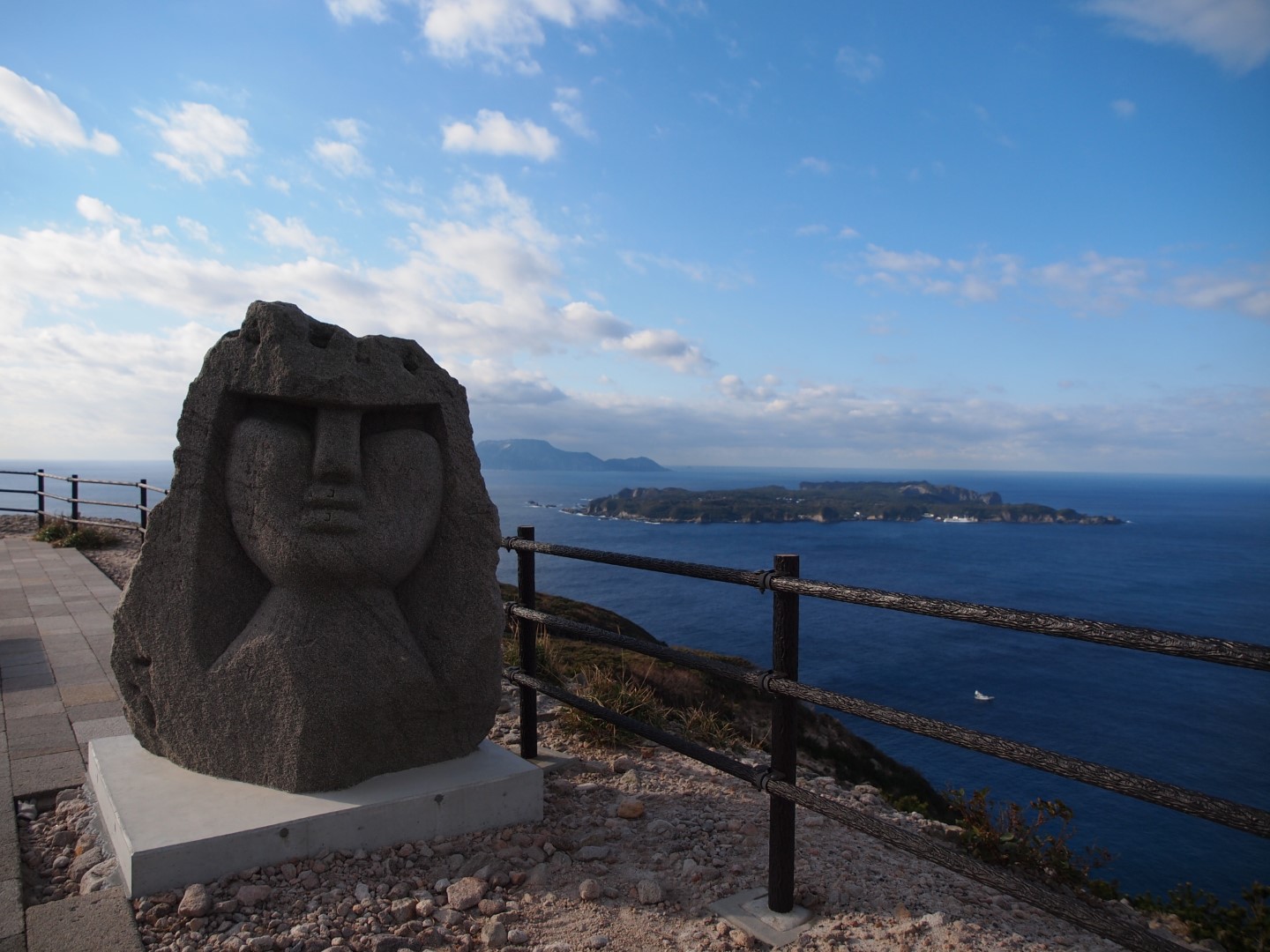
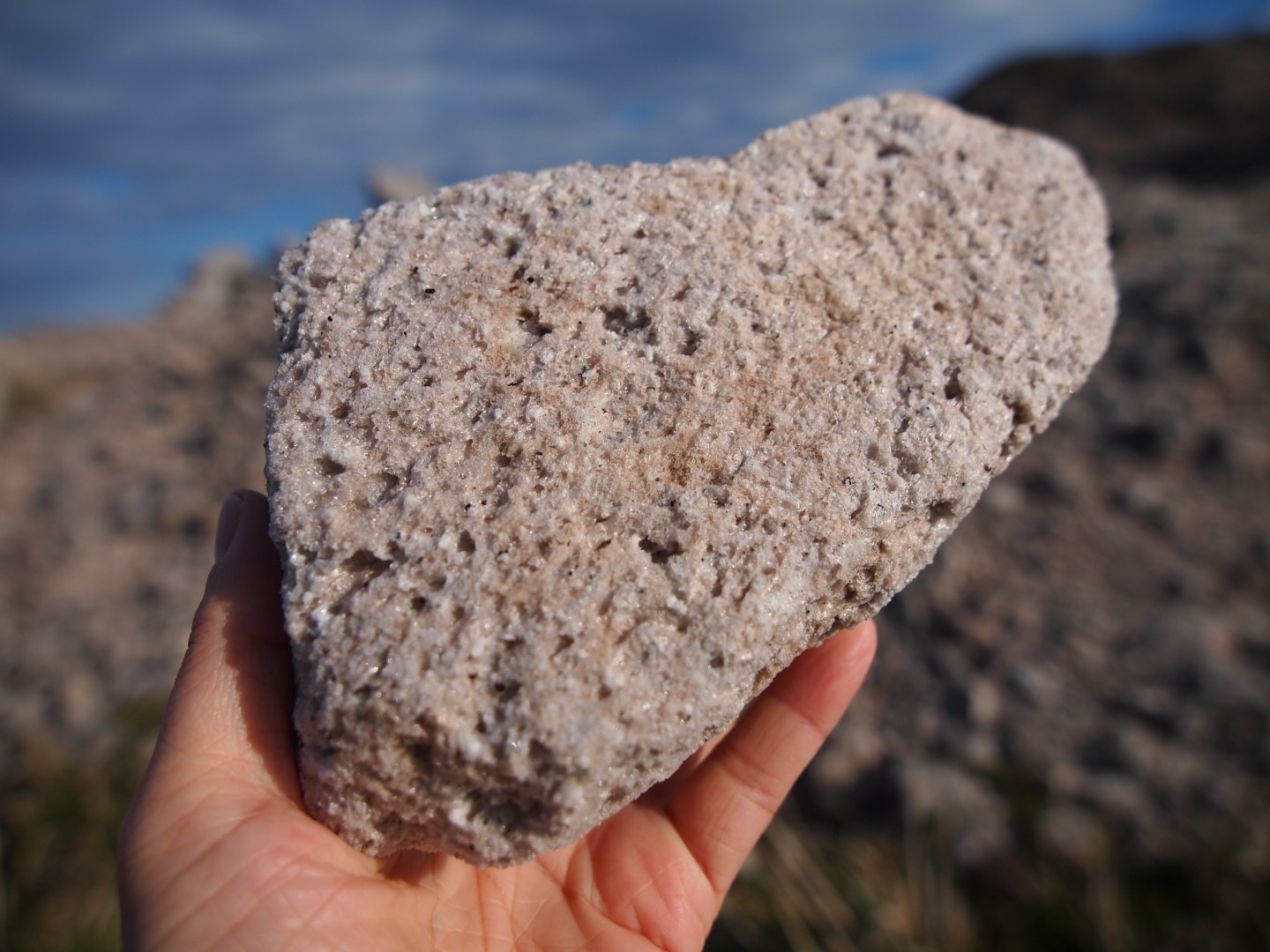
Niijima is famous for “Koga Stone,” a rare type of stone. Ishiyama, a quarry for this stone, offers a unique landscape and views of nearby islands like Shikinejima. Koga Stone is surprisingly light – some pieces can even float on water. Its high glass content gives it a sparkling appearance. It’s so easy to work with that it can be cut with a saw and is resistant to acids, alkalis, and heat. Many buildings in Niijima are made from Koga Stone tiles, and even the island’s Moai statues and souvenirs are crafted from it.
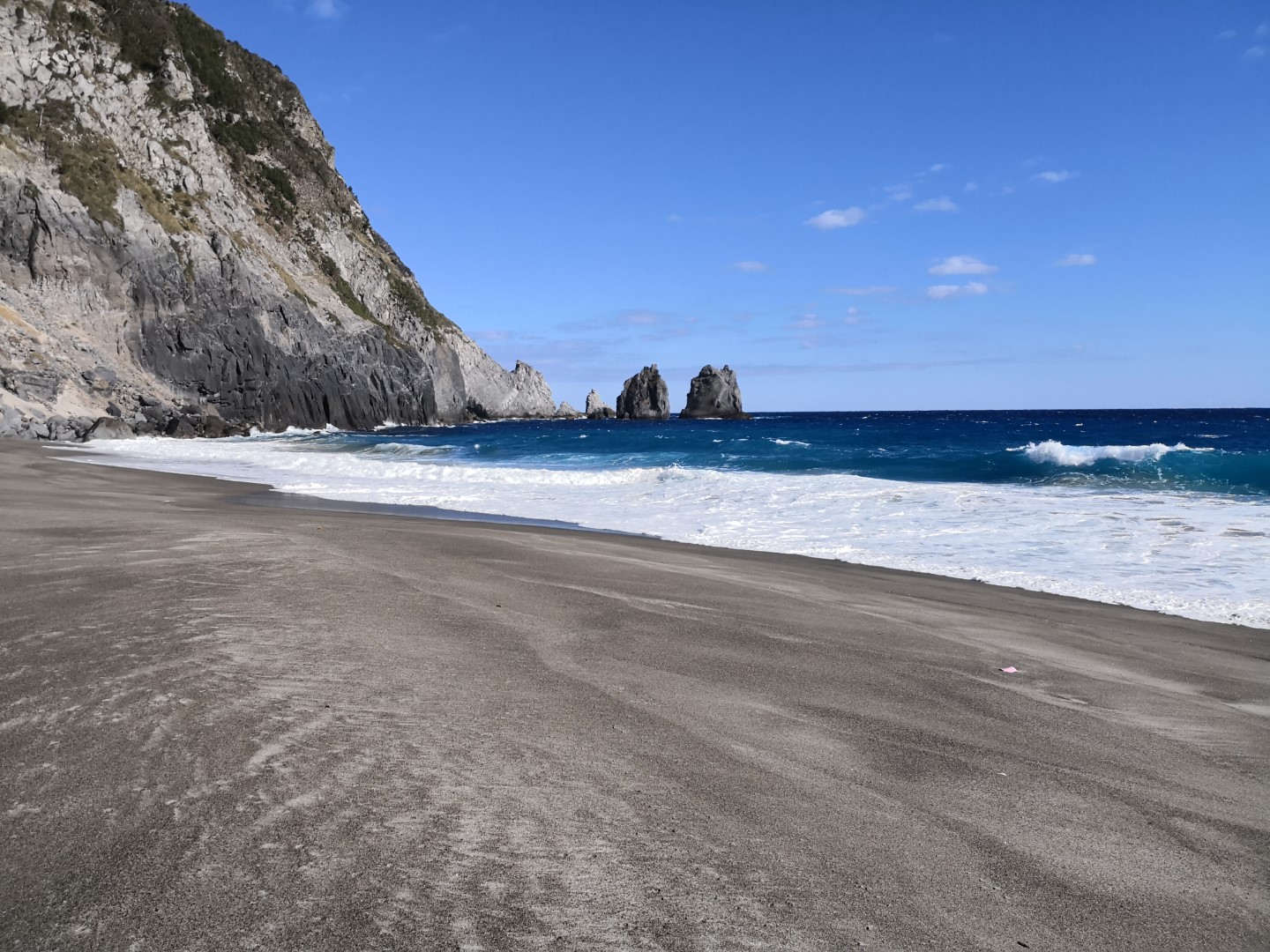
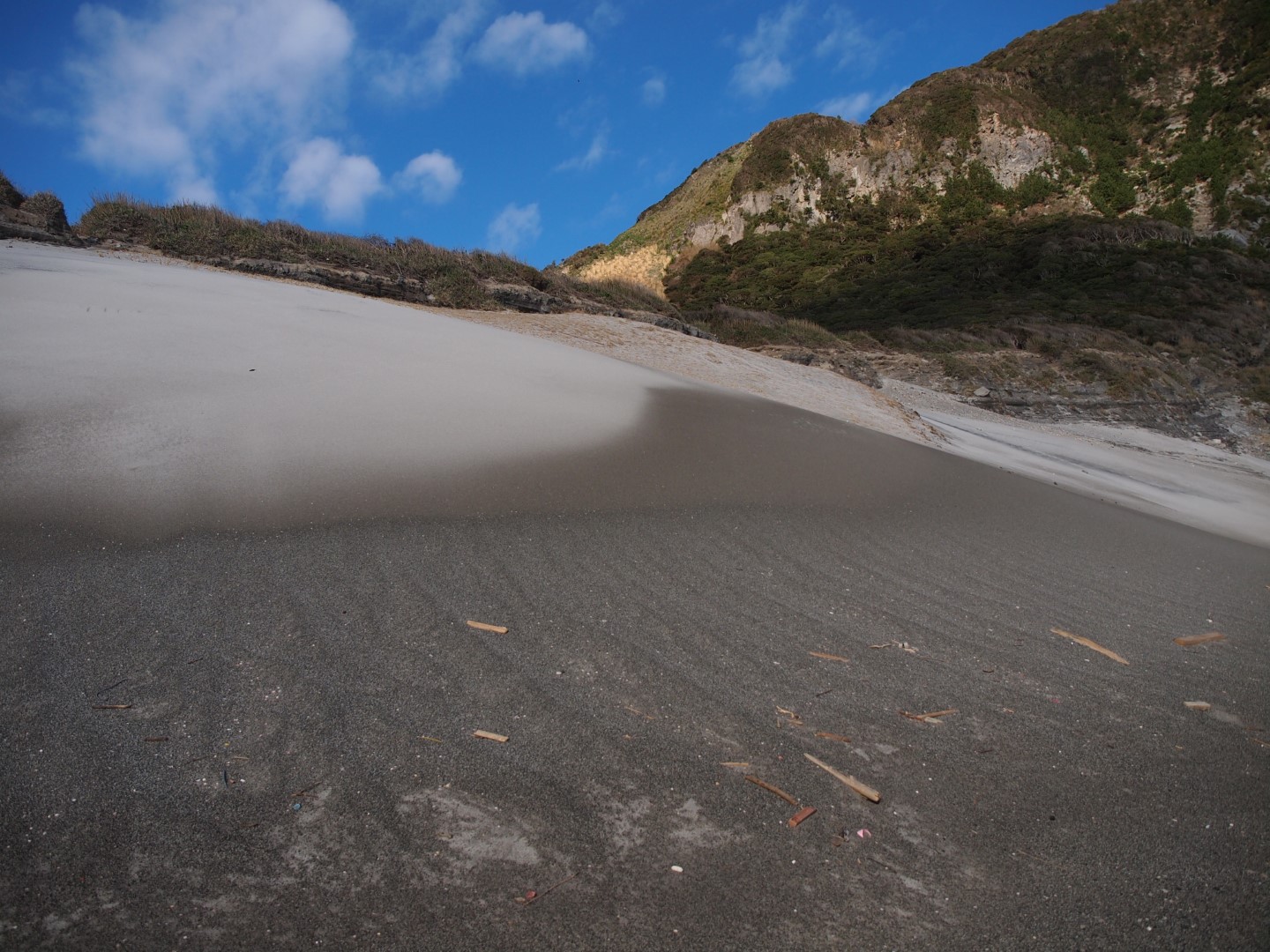
Niijima’s beaches are breathtaking, with white sand and deep blue waters that create a striking contrast. Awaiura Beach stands out with its large waves, making it clear why Niijima is a surfing hotspot. The sloping sand dunes also seem perfect for sand skiing, though they’re not quite large enough.
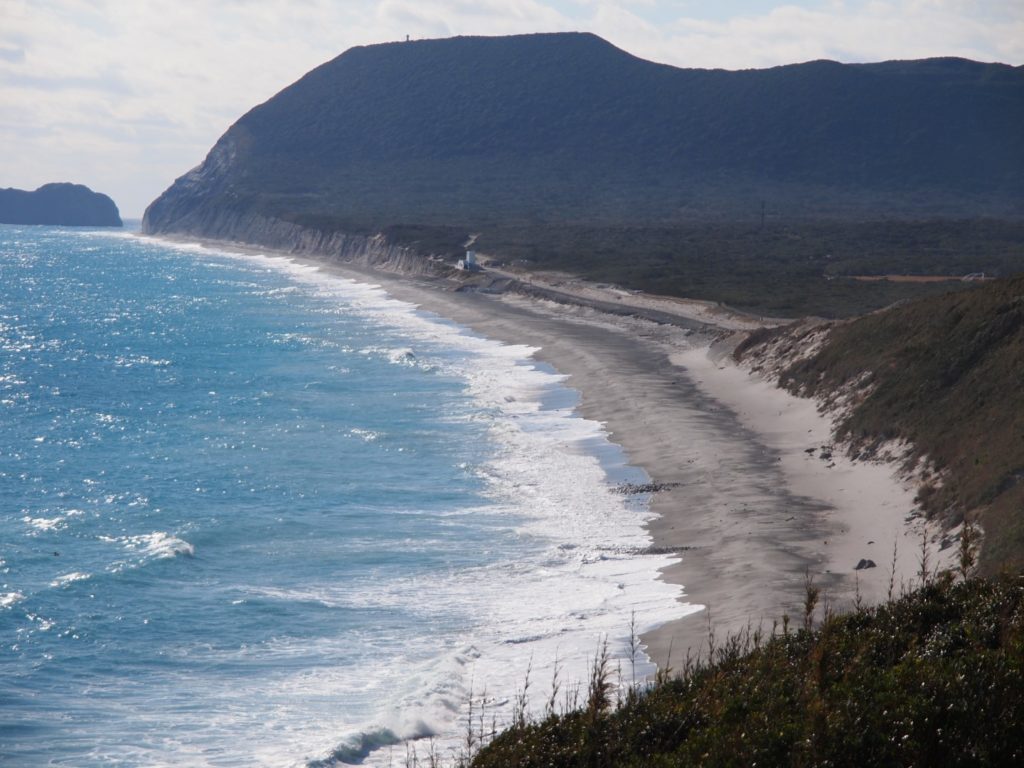
Both Awaiura and Habushiura Beaches are covered with white sand made from crushed Koga Stone. The contrast with the brilliant blue ocean is unforgettable and leaves a lasting impression. I’d love to come back during the intense summer sun.
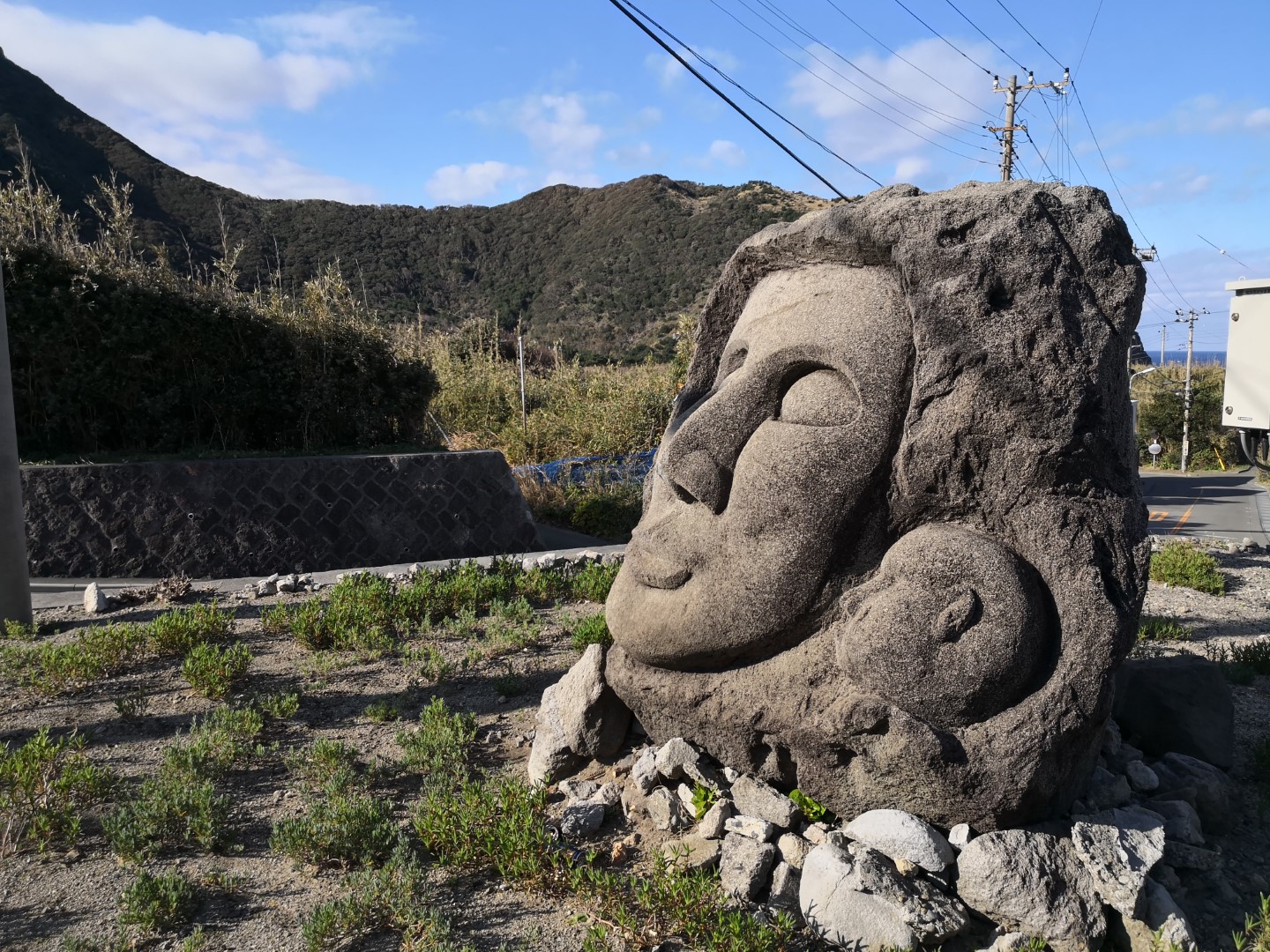
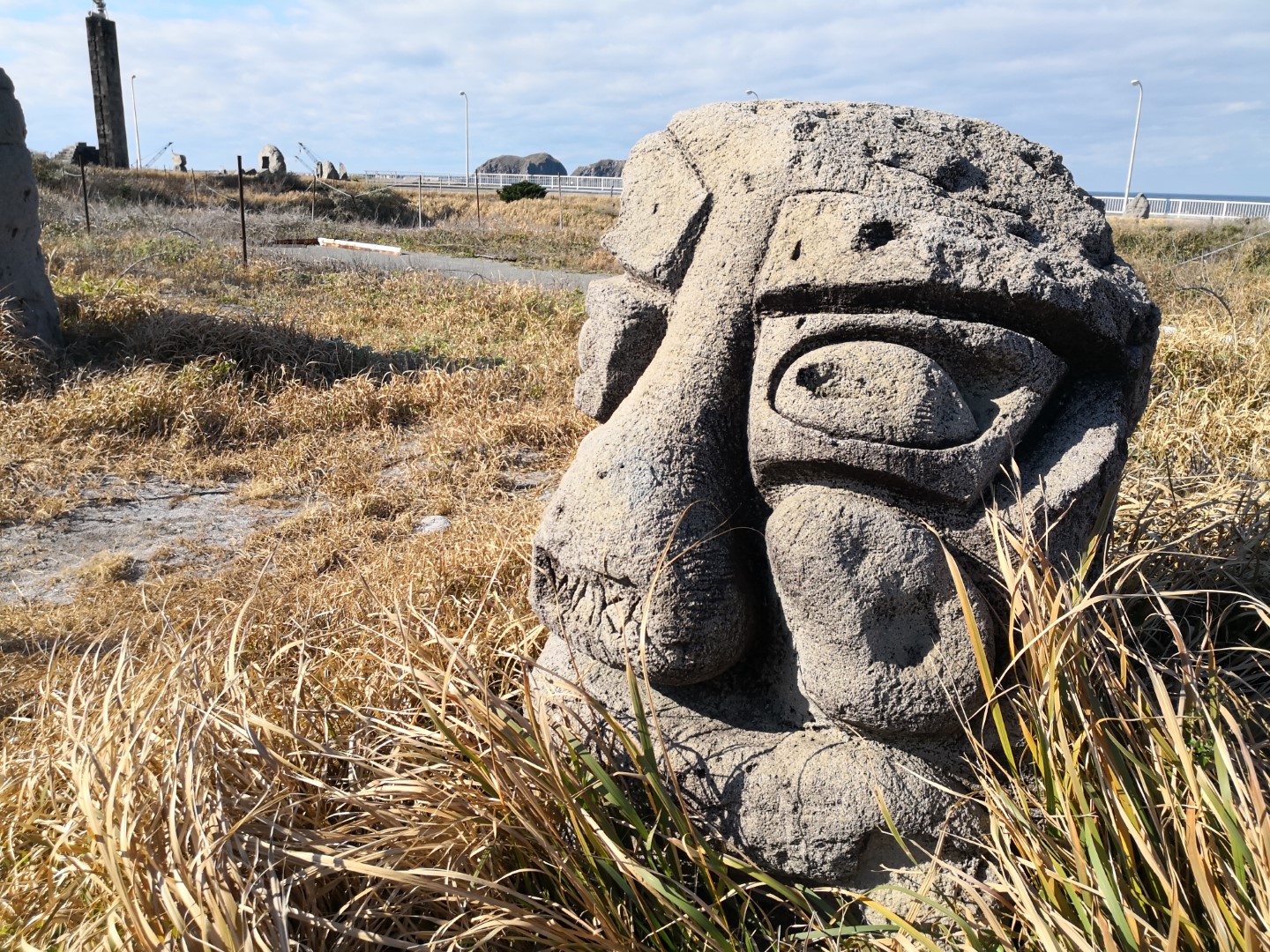
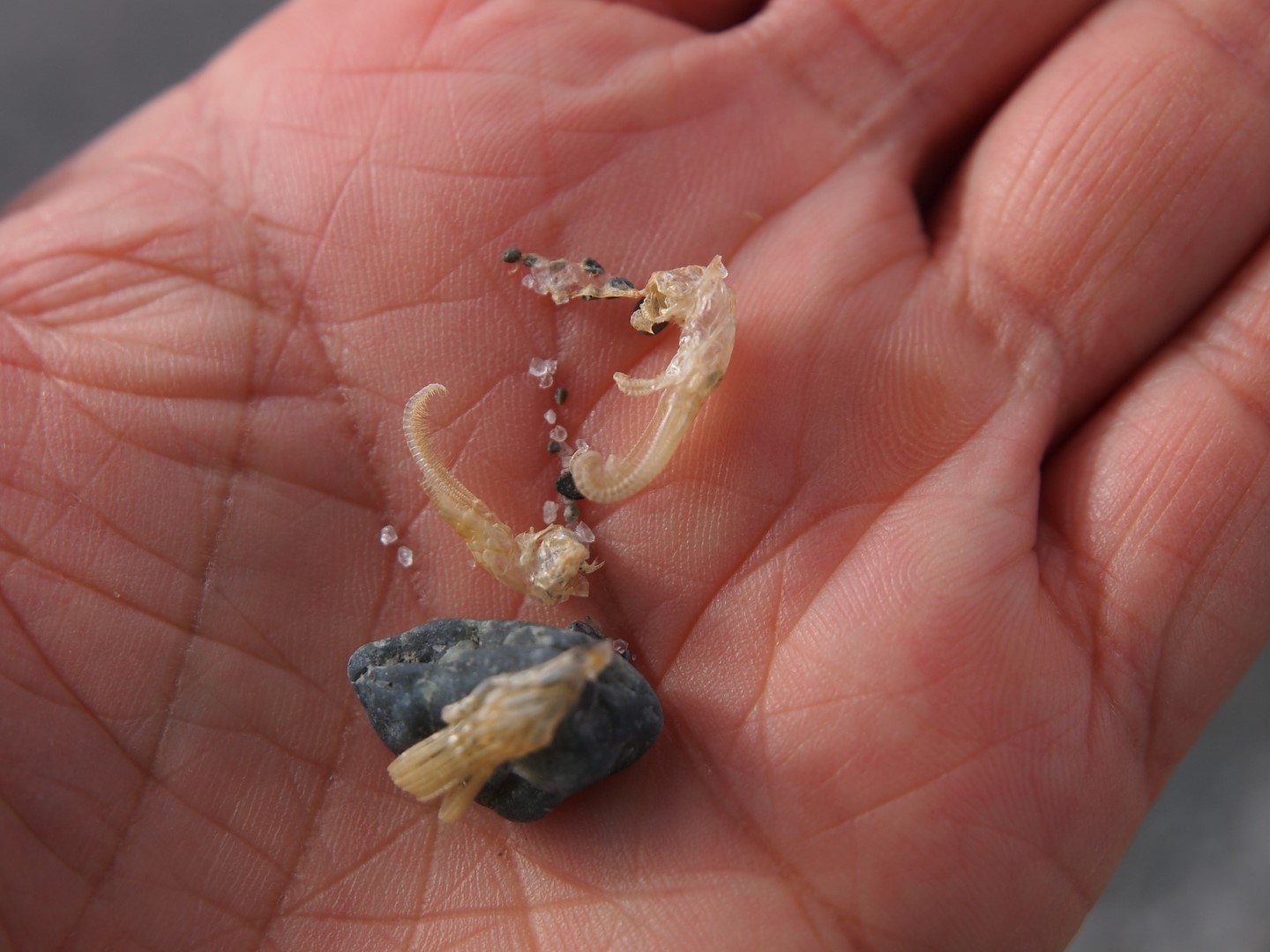
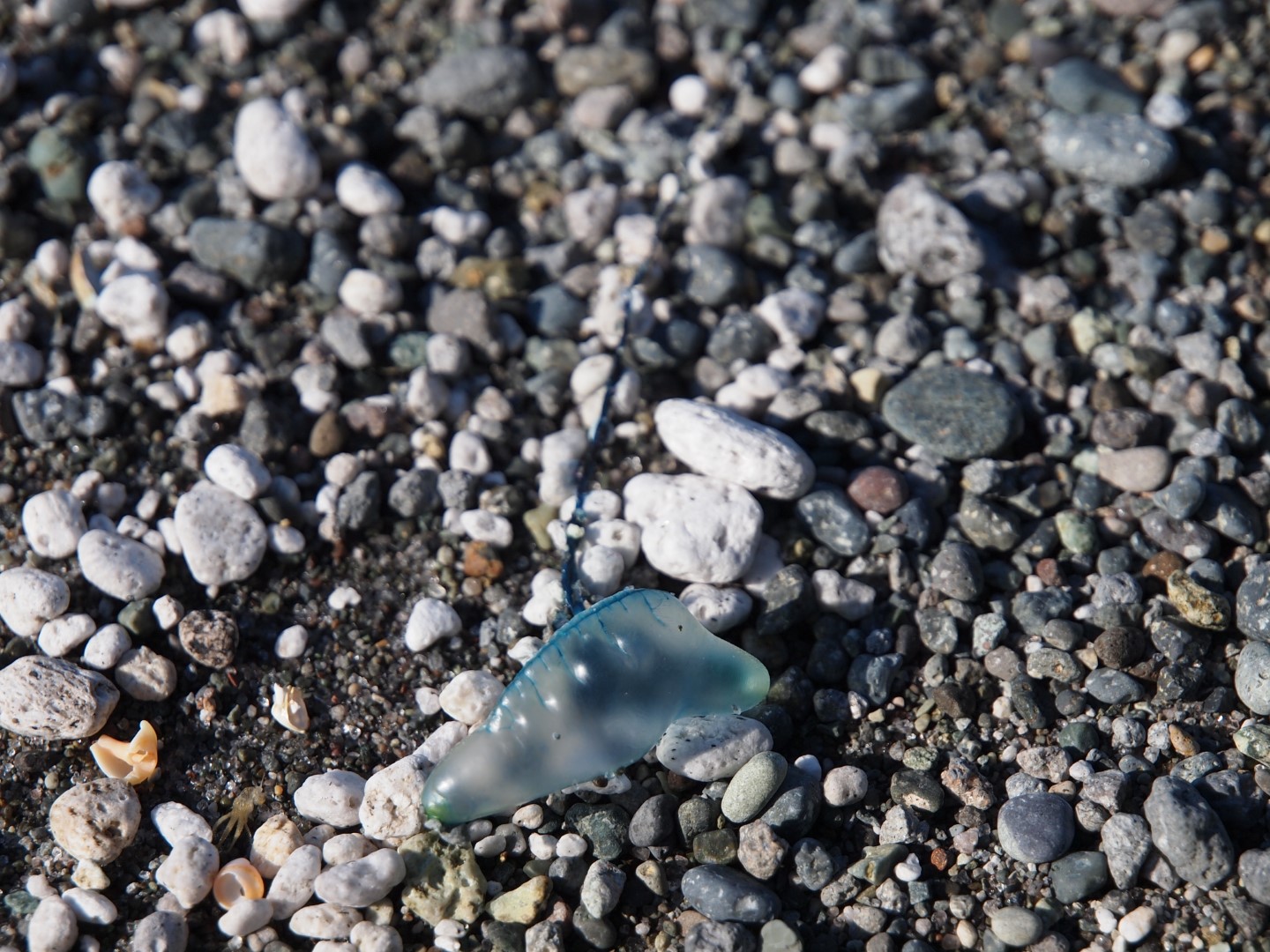
The island’s Koga Stone Moai statues have distinctive faces and are scattered around, making them fun to hunt down. But what really excited my child was finding a Portuguese man-of-war (Katsuo-no-eboshi) washed up on the shore. Its translucent blue body was beautiful but dangerous, as it’s highly toxic. Seeing it in real life, along with seahorse skeletons and other finds, made the beach endlessly fascinating.
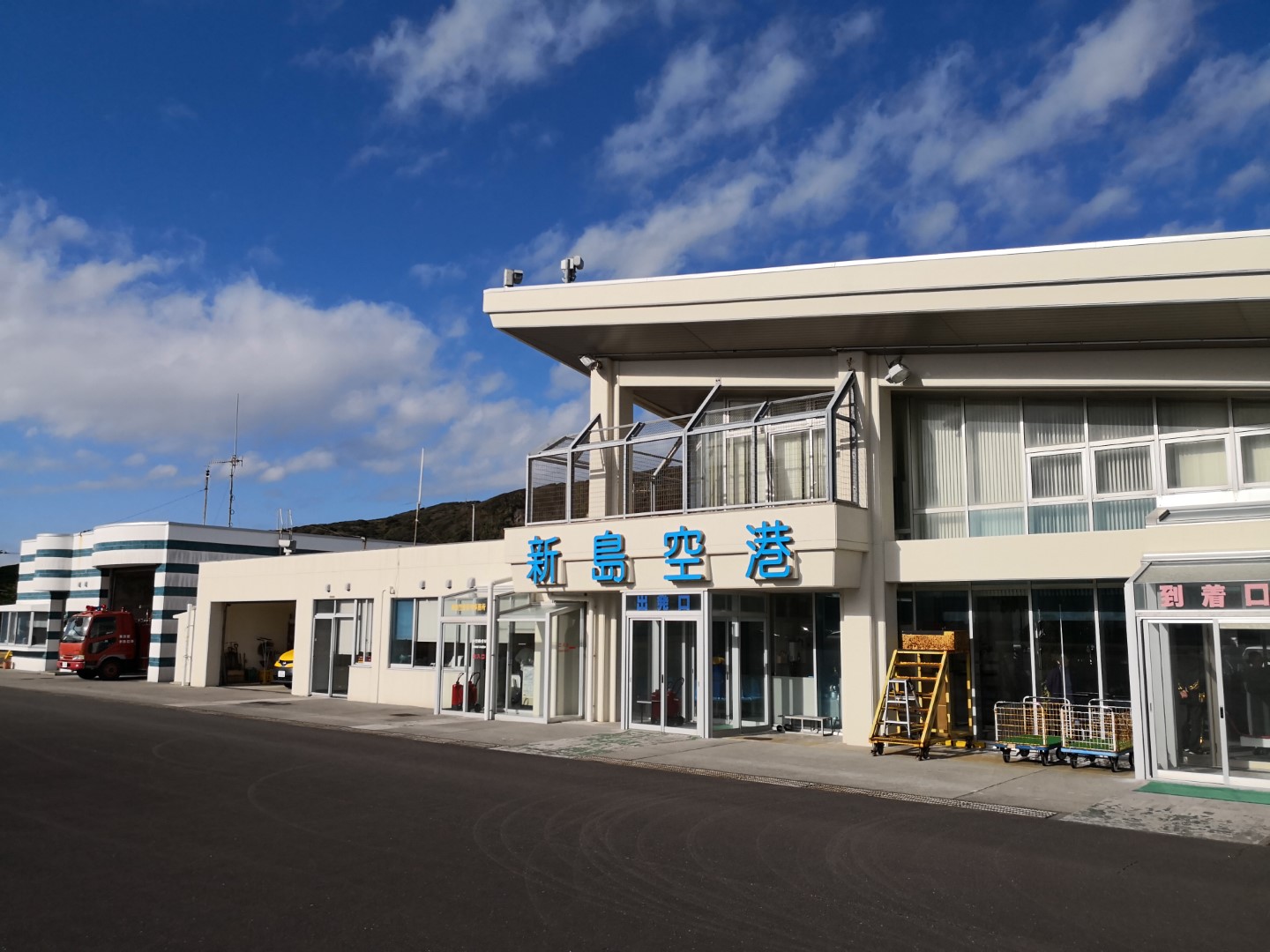
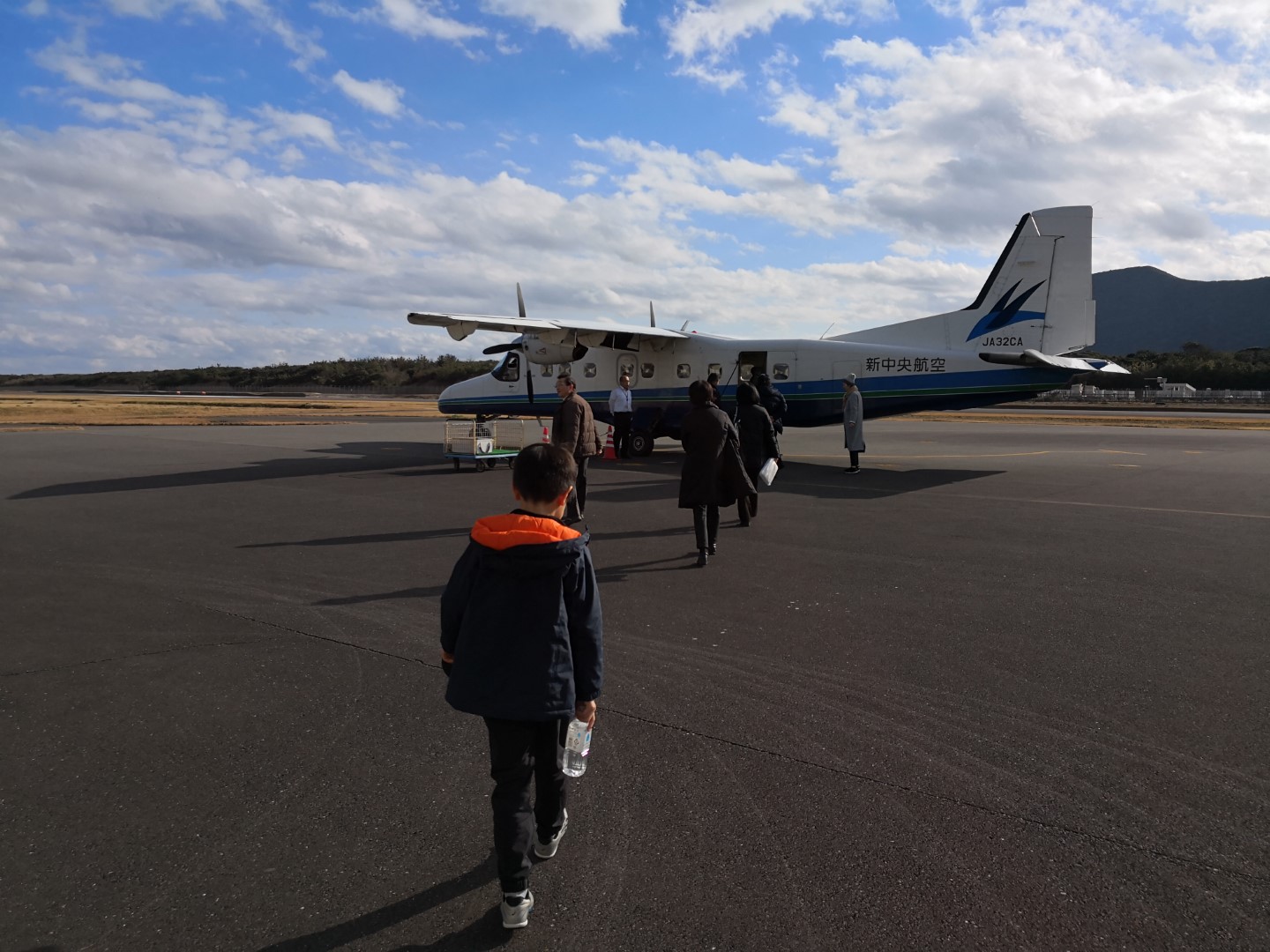
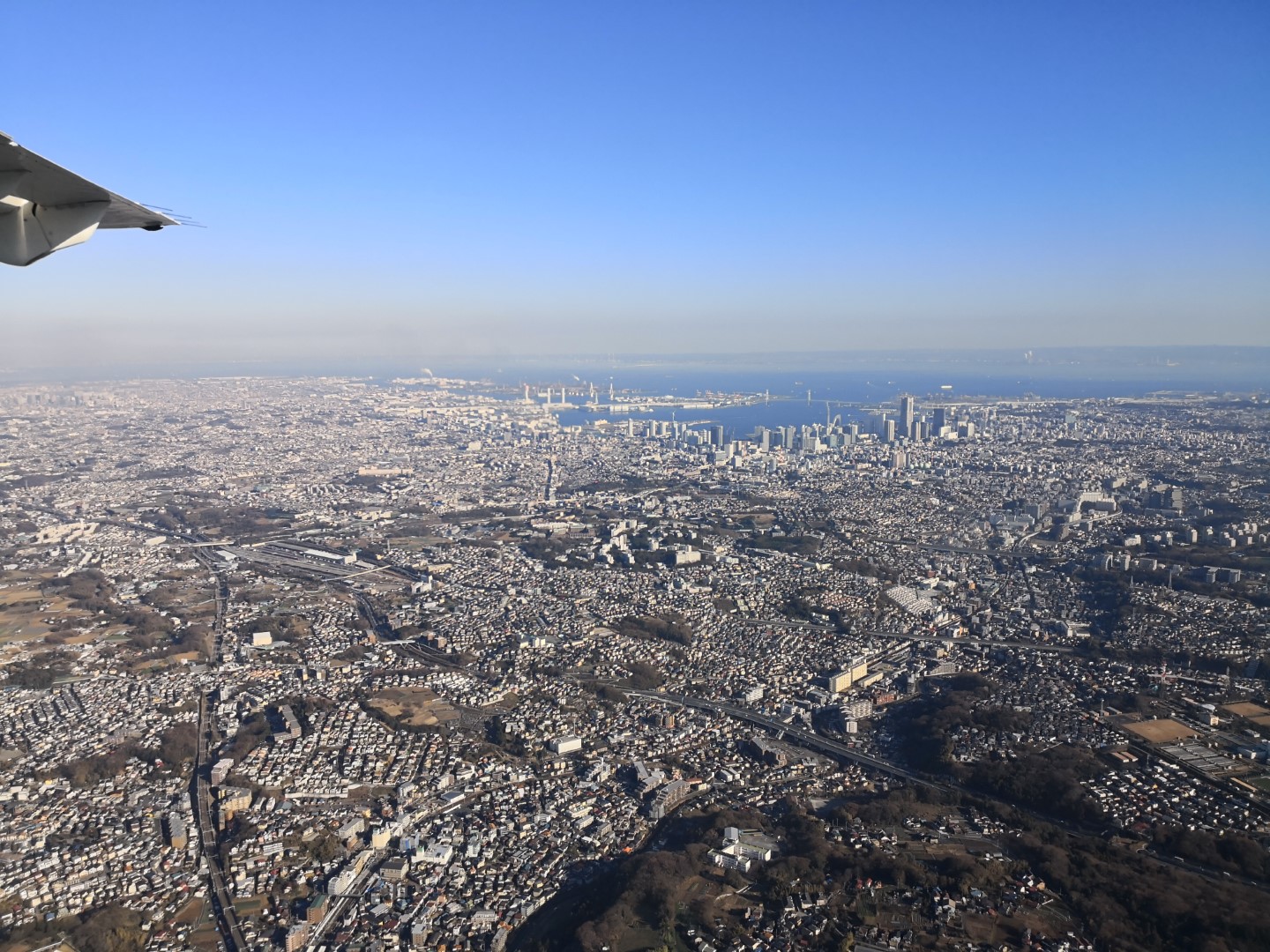
For the return trip, we flew with New Central Airlines back to Chofu. It was my first time on such a small plane, which seats fewer than 20 people. Unlike jumbo jets, this flight stayed relatively low, offering great views of the Tokyo skyline. It was amusing to think that after spending an entire night on the ferry to get there, the flight back took only 40 minutes!